
Last updated November 15, 2026
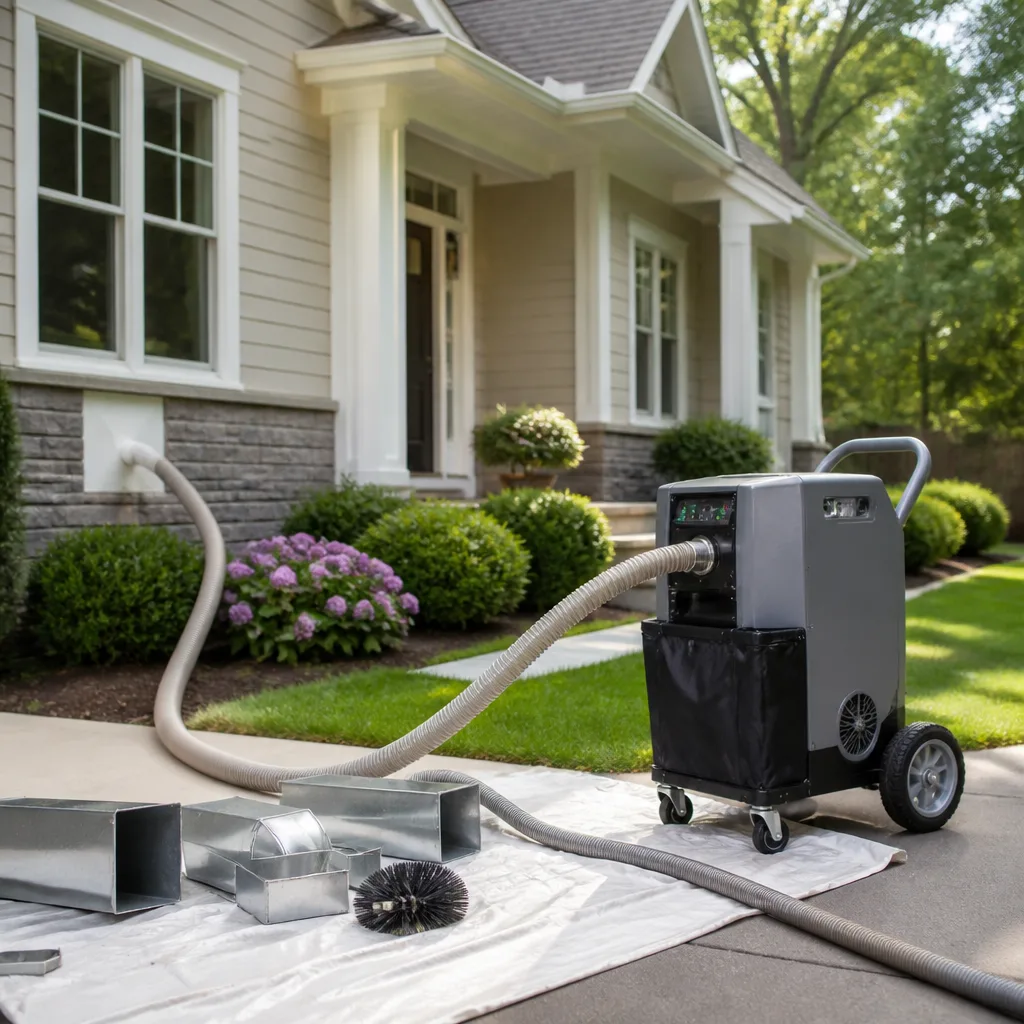 Whole-home duct cleaning
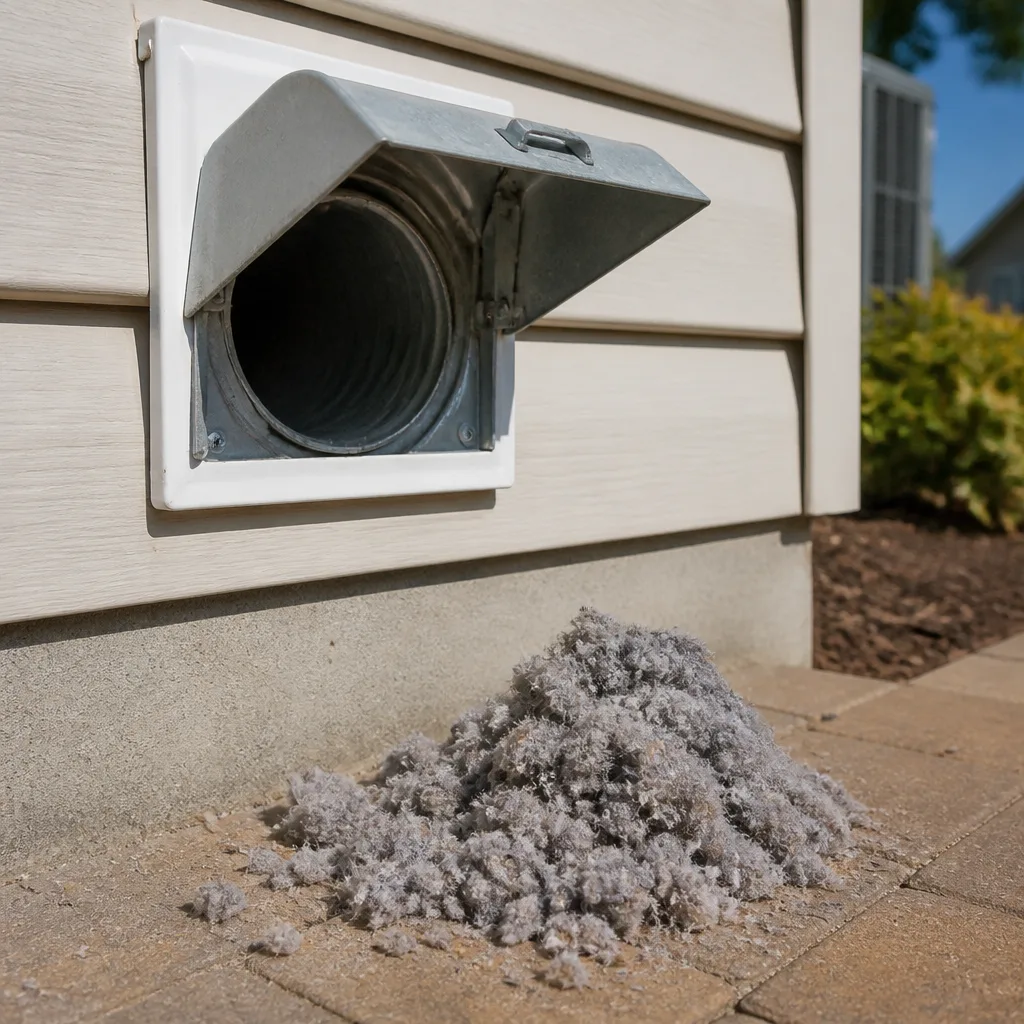 Dryer vent cleaning
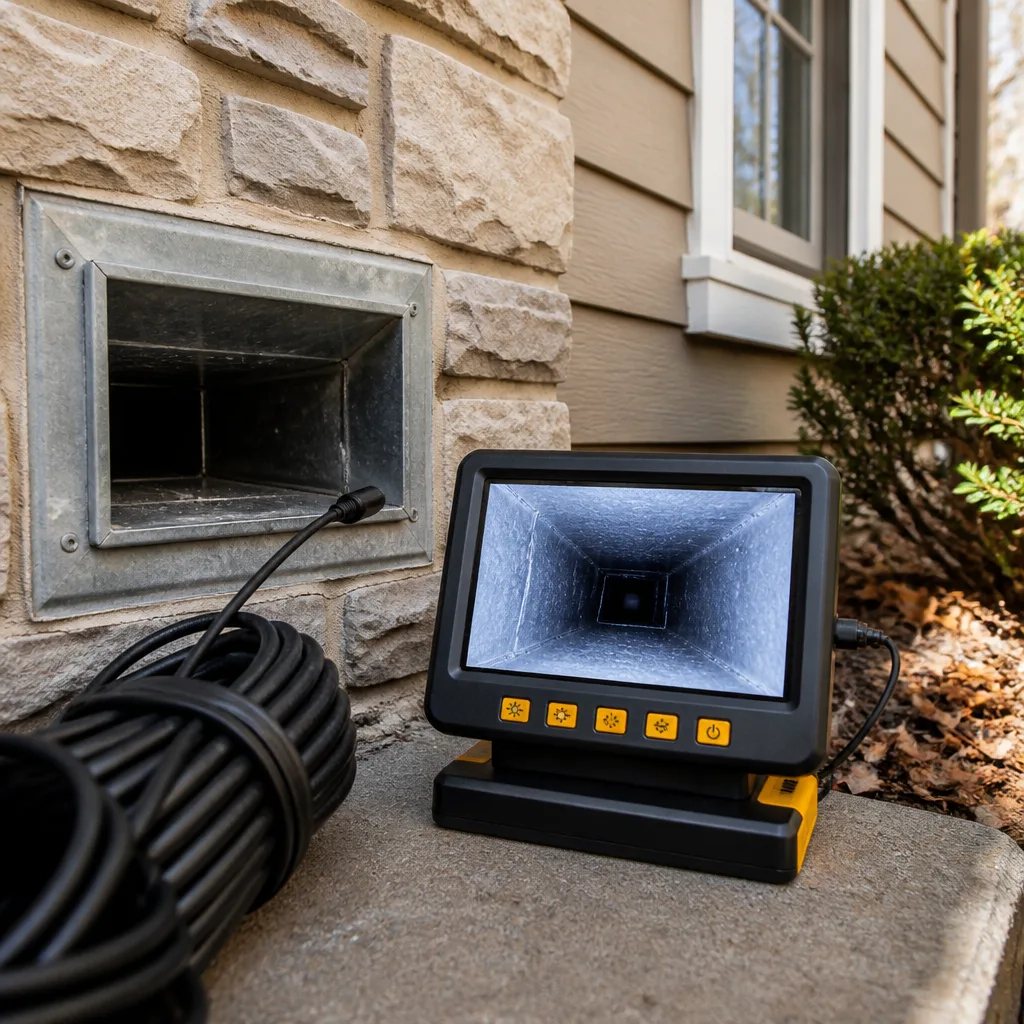 Camera inspection
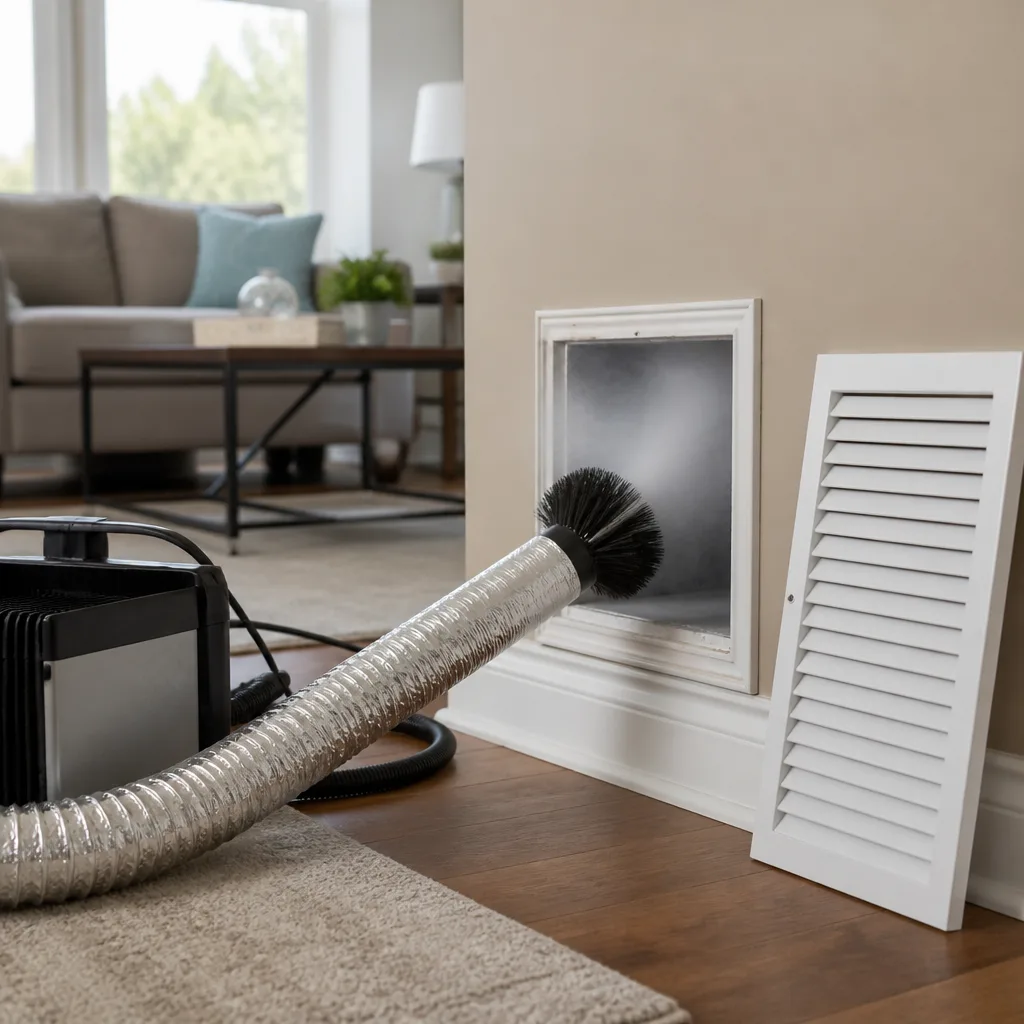 Sanitizing & deodorizing
Whole-system duct and dryer vent check with before-and-after photos - you see exactly what came out of your vents
That "$99 whole-house special" is a bait ad - the real number appears once they are in your hallway, or the "clean" is a shop-vac at the register. We photograph the inside of your ducts before and after instead.
Air Duct Cleaning Emergency Preparedness Guide for Longmont Homes
Most homeowners treat duct cleaning as routine maintenance, something to schedule when the vents look dusty or the airflow feels weak. Then a wildfire starts on the Front Range, or a pipe bursts, or a kitchen fire sends suppression powder through the return grilles, and the duct system suddenly becomes an emergency. During the Marshall Fire recovery in 2021, thousands of homes across Boulder County had smoke and ash pull into their ductwork while the furnace or AC ran on auto, cycling contamination room to room for hours. The houses that limited the damage were the ones with a protocol already in place. This guide walks through that protocol: what to do in the first hours, how smoke, water, and suppression chemicals behave differently inside ductwork, when to shut the system off entirely, and how to document contamination for an insurance adjuster. Longmont homes sit close enough to wildfire corridors and severe-weather tracks to make this practical rather than theoretical.
Quick Answer
In an emergency involving smoke, flooding, or fire suppression agents, shut off your HVAC system at the thermostat and at the breaker before anything else, then call a duct cleaning contractor who runs HEPA equipment, not a shop-vac. Standard duct cleaning removes ordinary dust; emergency cleaning removes contamination the system has cycled into every branch of ductwork, which is a larger scope of work and priced accordingly. Document everything with photos before anyone touches the ducts.
Styles & brands we work with
- Whole-home duct cleaning
- Dryer vent cleaning
- Camera inspection
- Sanitizing & deodorizing
Table of Contents
- Why Longmont Duct Systems Face Real Emergency Risk
- The First Steps When Contamination Enters the Ducts
- How Smoke, Floodwater, and Suppression Chemicals Behave in Ductwork
- Emergency Duct Cleaning vs. Standard Cleaning: What Actually Changes
- Documenting Duct Contamination for Insurance Claims
- Pre-Event Preparedness: Filtration, Shutoff, and Contacts
- Common Mistakes to Avoid
- When to Call a Professional
- Frequently Asked Questions
Why Longmont Duct Systems Face Real Emergency Risk
Longmont sits on the western edge of the Front Range urban corridor, where grassland fires and mountain-adjacent wildfire corridors converge. Wind events blow smoke and ash from the foothills across the city for days at a stretch, and the same wind pattern that drives grass fires across Boulder County carries fine particulate into return vents. Homes in older Longmont neighborhoods, particularly around the historic downtown blocks and the tree-lined streets near Thompson Park, tend to have duct systems from an era when return-side filtration was minimal or nonexistent. That means smoke has a direct path into the system.
Severe weather adds a second layer. Spring hail and summer thunderstorms regularly produce water intrusion through roofs, foundations, and window wells, and any water that reaches a duct system has a mold problem on a 24-48 hour clock. Floodwater sitting in a length of flex duct is not something you dry out and forget; the liner is a sponge, and mold substrate develops quickly in the dark, damp interior of a closed system. HVAC systems in Longmont also run hard through the summer cooling season and winter heating season, which means when contamination enters, the fan is already on and distribution happens immediately.
Add fire suppression chemicals and the picture gets more complex. Dry chemical extinguishers and sprinkler water leave residue that requires neutralization before cleaning, not just vacuuming. A standard dust removal pass won’t touch it.
We’ve seen the pattern across this region, and it always comes back to the same conclusion: the homes that recover fastest are the ones that had a plan before the smoke arrived. Getting familiar with Longmont conditions, equipment, and response logistics ahead of time is the single best preparedness step. If you haven’t thought about this at all, start here and work through the guide in order.
The First Steps When Contamination Enters the Ducts
The single most important action is to get the furnace and air handler off before contamination spreads. This one decision separates a manageable cleanup from a whole-house contamination event. Work through these steps in order.
- Shut the system down at the thermostat. Set the system to OFF, not AUTO. AUTO lets the fan cycle whenever the temperature swings, which continues to pull contaminated air through the return and push it through every supply branch.
- Kill power at the breaker. Find the HVAC disconnect in your electrical panel and switch it off. This removes any chance the unit restarts on a schedule or a thermostat hiccup.
- Close and seal the supply and return grilles. Tape over the registers with painter’s tape or plastic sheeting if smoke or dust is present. This keeps loose particulate from settling into the visible openings.
- Open windows and ventilate the living space only after you have confirmed outdoor air quality has improved. If smoke is still heavy outside, close the house up and run a portable HEPA air cleaner in the rooms you are using.
- Photograph everything before anyone cleans. Registers, visible liner, filter condition, any soot, water, or residue. You will not be able to recreate the scene later, and your insurer will want the evidence.
- Call a duct contractor who runs HEPA equipment. A standard shop-vac or a cheap rental unit will recirculate the finest particles back into the room. You want Nikro HEPA extraction on the job.
For water intrusion, add one step: cut and remove any wet flex duct immediately. Don’t wait for drying. Flex liner that has absorbed floodwater is a total loss, and keeping it installed means mold spreads into the hard duct trunk before the contractor arrives. Call a professional the same day.
For fire suppression chemical events, don’t run the fan to “blow out” the powder. That’s the single most common mistake in these scenarios. Powder is alkaline, gets into every joint, and coats liner surfaces; it needs to be neutralized with the right chemistry before a mechanical cleaning pass.
How Smoke, Floodwater, and Suppression Chemicals Behave in Ductwork
Each emergency contaminant has its own physical behavior inside ductwork, which is why a single “emergency duct cleaning” label doesn’t cover the job. The scope and the equipment change based on what the system actually took on.
Wildfire smoke and PM2.5
Smoke does not sit on the surface of duct liner the way dust does. Fine particulate (PM2.5) penetrates the porous fiberglass liner, settles into seams and joints, and off-gasses into the air stream every time the system runs. Vacuuming the visible surface gets maybe the top fraction. The remaining contamination coats the liner microscopically and produces the smoky odor that lingers for months. Our answer to this is contact-and-capture cleaning: Rotobrush brush agitation loosens the bonded material from the liner surface, and Nikro HEPA extraction pulls it out under negative pressure. Smoke odor is the most reliable indicator that contamination is still present.
Floodwater
Water in a duct system is a 24-48 hour mold window. The liner is porous, the interior is dark, and the temperature is warm. Once mold substrate starts, the only reliable fix is removal and replacement of the flex duct plus aggressive cleaning of the hard duct. There is no “dry it out and move on” option that we would put our name on.
Fire suppression chemicals
Dry chemical extinguisher residue and wet chemical agent both require neutralization before or during cleaning. Dry chemical is alkaline and etches metal; wet chemical is corrosive to bare galvanized steel. A mechanical cleaning pass on top of the chemical without neutralization just pushes the residue deeper. Abatement Technologies air-filtration equipment is the category of gear that handles these scenarios, including post-remediation clearance cleaning where the goal is verifiable air quality, not just visible cleanliness.
Emergency Duct Cleaning vs. Standard Cleaning: What Actually Changes
A standard duct cleaning is a scheduled maintenance job: brush-agitate, HEPA-extract, verify. An emergency cleaning has a different scope, a different equipment setup, and a different pricing structure. Understanding the difference before an emergency happens keeps you from being surprised by the invoice or, worse, from accepting a low quote that doesn’t cover the actual work.
| Item | Standard Cleaning | Emergency / Post-Event Cleaning |
|---|---|---|
| Trigger | Routine, dusty vents, allergy season | Smoke, water, fire, suppression chemicals |
| Equipment | Rotobrush + Nikro HEPA | Rotobrush + Nikro HEPA + Abatement Technologies filtration |
| Scope | Whole duct system, single pass | Whole system, plus neutralization or liner removal, plus multiple passes |
| Air quality verification | Visual verification inside ducts | Before-and-after documentation, air quality readings for the insurer |
| Repair scope | Occasional sealed-joint repair | Flex duct removal and replacement when water is involved; liner and joint repair |
| Pricing basis | One flat price per system, agreed in writing before work starts | One flat price per system, scoped by the written estimate after inspection |
The reason emergency work costs more isn’t a premium; it’s scope. A smoke event means every branch of the system has been exposed, so every branch has to be contacted and captured, not just the visible trunk line. A suppression chemical event adds a neutralization step and often a second pass to verify the residue is gone. A water event can add duct repair or replacement of flex runs that a routine cleaning wouldn’t touch.
What doesn’t change is the pricing structure. We quote one flat price per system and agree it before work starts. You will not see a per-vent line on the invoice, and you will see before-and-after photos of your own ducts when we’re done. If you’re comparing bids after an emergency and one is dramatically lower than the others, ask what scope it covers and what equipment it uses. A shop-vac and a “whole-house blowout” isn’t cleaning; it’s redistribution.
Call (866) 361-9658 for an estimate. We answer 24/7. Fast dispatch from 7am to 7pm, Sunday through Friday.
Documenting Duct Contamination for Insurance Claims
Duct contamination claims live or die on documentation. Adjusters are not duct experts; they rely on the evidence you provide. Build the file before anything gets cleaned. Once the ducts are clean, you cannot recreate the scene.
- Photograph each register in the house, before and after taping. Note the room and the location. Soot, water staining, and residue are all visible at the grille.
- Photograph the filter. A filter loaded with soot, powder residue, or water damage is direct evidence the system cycled contamination.
- Photograph any wet duct liner before removal. Cut a small inspection section if needed, but don’t remove anything until you have photos.
- Record air quality readings if you have them. A portable particulate monitor or an air quality reading from the contractor is more persuasive than a written description. PM2.5 levels taken at the return grille tell the adjuster the system pulled smoke inside.
- Get the contractor’s written assessment. A single-page summary listing the scope, the equipment used, and the reason the scope is what it is carries weight with an adjuster.
- Keep receipts and invoices for every step including your own cleanup supplies, temporary filtration, and any hotel nights.
Photos plus air readings plus a written contractor assessment is the standard package that gets claims approved. Sending in a few close-up photos of a dusty vent isn’t enough; a claims adjuster has no way to know whether that grille was dusty before the event too. Build the record in the first 48 hours, not weeks later.
Pre-Event Preparedness: Filtration, Shutoff, and Contacts
Preparedness here is not about buying a generator. It’s four concrete steps you can do in an afternoon, and they change how the next event goes.
1. Know your filtration rating
A MERV 13 filter is the practical ceiling for most residential systems, and it captures a much higher percentage of smoke-range particulate than the MERV 4 to MERV 8 filters most homes run. Going higher than MERV 13 on a residential system usually costs more static pressure than the blower can handle. If you want to go beyond filtration, an Aprilaire or Honeywell whole-home IAQ product installed at the air handler extends the filtration to the air you actually breathe indoors, not just the return grille. We’re authorized to supply and install both lines, which means a cleaning visit can turn into an air-quality visit without a second contractor.
2. Know where your shutoff is
Find the HVAC breaker and the disconnect switch on the air handler now, not during a smoke event. Tape a note to the inside of the panel door. In a real emergency, cold fingers and bad light make a simple switch hunt a lot harder.
3. Know your contractor’s response protocol
Have a duct contractor’s number saved and ask before an emergency how they handle post-wildfire calls. We answer 24/7 by phone; fast dispatch runs from 7am to 7pm, Sunday through Friday. A call outside that window is booked into the next opening. Knowing that in advance means you don’t waste an hour on hold during the first critical hours.
4. Know your coverage
Call your insurer and ask, in writing, whether duct cleaning is covered after smoke, fire, or water events. Ask whether they require pre-approval or a contractor from their network. Get it in an email so you can reference it during a claim.
5. Dryer vent cleaning as year-round prevention
One preparedness item that doesn’t get enough attention is dryer vent cleaning. Lint buildup in a dryer exhaust line is a fire risk independent of any wildfire, and it’s also the kind of contamination a standard cleaning visit catches while the technician is already in the house. Longmont homes with short dryer runs still accumulate lint at the transition joint and exterior cap, and that buildup is what a slow-cleaning dryer is really telling you.
Common Mistakes to Avoid
- Running the HVAC fan “to filter out the smoke.” This is the most damaging mistake in a wildfire event. The system pulls smoky outside air through the return, circulates it through every branch, and deposits PM2.5 on liner surfaces that then have to be contact-cleaned out. Shut the system down first.
- Renting a shop-vac and doing it yourself. Standard shop-vacs vent the finest particulate back into the room. The whole point of contractor-grade equipment is HEPA extraction under negative pressure. A shop-vac is how a minor contamination event becomes a house-wide one.
- Assuming a low bid is a bargain. Emergency duct cleaning has a scope that a $99 coupon doesn’t cover. Ask what equipment and how many passes. If the answer is vague, the price is the front end of a higher invoice.
- Ignoring wet flex duct “because it will dry out.” Liner doesn’t dry out; it grows mold on a 24-48 hour clock. Remove wet flex duct the first day.
- Skipping photos before cleanup. Insurance adjusters can’t approve what they can’t see. Documentation in the first 48 hours is what makes a claim go through, and the clock starts the moment contamination enters the ducts.
- Using a “blowout” schedule on suppression chemicals. Blowing powder around spreads it into every joint and coats metal with alkaline residue. It needs neutralization first. Not all contractors carry the equipment for that.
- Over-filtering in the name of safety. MERV 16 filters in a residential system can starve the blower and shorten equipment life. MERV 13 is the practical smoke-range ceiling for most Longmont homes.
When to Call a Professional
Call a professional when the fan has been running during a smoke event and the house smells of smoke indoors even with windows closed, when any flex duct has gotten wet, when fire suppression chemicals discharged into the system, or when you notice visible soot or residue at the return grilles. Call also after any renovation that generated significant drywall or silica dust, and any time you’re concerned enough to want an air quality reading rather than a visual check.
We run the full duct system, one visit: air duct cleaning, air duct repair, and dryer vent cleaning under one contact. That matters in an emergency because the diagnosis, cleaning, and repair don’t need to be scheduled across multiple contractors. If you’re facing an active event, shut the system off and get someone on the phone. Duct Cleaning Longmont offers free estimates in Longmont: call (866) 361-9658. We answer 24/7. Fast dispatch from 7am to 7pm, Sunday through Friday.
Frequently Asked Questions
Yes. Turn the system to OFF at the thermostat and switch the HVAC breaker off. Running the fan during heavy smoke pulls PM2.5 into the return, cycles it through every supply branch, and deposits it on duct liner where it will not vacuum out with a standard cleaning. Shutoff is the single most effective step in the first hour.
Smoke contamination bonds to liner surfaces and penetrates seams, so the cleaning has to physically agitate the liner (Rotobrush brush agitation) and extract under negative pressure (Nikro HEPA) rather than just vacuum the visible surface. It also usually requires a second verification pass and post-cleaning air quality documentation, which a routine cleaning does not include. Pricing reflects the larger scope and can only be set by a written estimate after inspection.
Same day for both. Floodwater in duct liner develops mold substrate within 24-48 hours, and smoke odor settles into the liner and off-gasses every time the system cycles. The sooner the cleaning happens, the less material needs to be removed and replaced. Call (866) 361-9658; we answer 24/7, and fast dispatch runs from 7am to 7pm, Sunday through Friday.
Often yes, but the claim depends on documentation. Photograph every register, the filter, and any wet liner, get air quality readings if possible, and obtain a written contractor assessment of scope. Most adjusters want photos, readings, and an itemized scope before approving. Call your insurer and confirm duct cleaning coverage in writing before an event happens, not after.
MERV 13 is the practical ceiling for most residential systems and captures a much greater share of smoke-range particulate than the MERV 4 to MERV 8 filters that most homes use by default. Higher-rated filters usually create too much static pressure for a residential blower. If you want filtration beyond the filter slot, an Aprilaire or Honeywell whole-home IAQ product installed at the air handler is the right direction.
Yes, but not with a standard cleaning pass. Dry chemical and wet chemical agents require neutralization before or during the mechanical cleaning, and the job often needs a second pass to verify the residue is gone. Abatement Technologies air-filtration equipment is what handles this category of work, including post-remediation clearance cleaning.
Often both. Wet flex duct in a flood event needs removal and replacement, not cleaning. Joints that have opened under smoke exposure or water infiltration need resealing. We repair what we find during the cleaning visit rather than flagging it and handing the job back to the homeowner.
Ask for before-and-after photos of your own ducts, not stock images. A written scope with the equipment used (Rotobrush, Nikro, Abatement Technologies, as applicable) plus visual evidence from inside the system is the standard you should hold any contractor to. We provide both on every applicable job.
The Bottom Line
Longmont homes face real duct-system emergencies from wildfire smoke, flooding, and fire suppression events, and most homeowners have no protocol ready when one hits. The core actions are simple: shut the system down at the thermostat and the breaker, photograph everything before anyone cleans, and call a contractor who runs HEPA equipment rather than a shop-vac. Know your MERV rating (13 is the practical smoke-range ceiling for most homes), know your breaker location, and know your contractor’s response availability before you need it. Emergency cleaning is a larger scope than routine cleaning, priced per system by a written estimate, and the documentation you build in the first 48 hours is what makes an insurance claim go through.
If you’re facing a smoke, water, or suppression event now, or you want to run air duct cleaning before fire season starts, call (866) 361-9658. We answer 24/7. Fast dispatch from 7am to 7pm, Sunday through Friday. Estimates are free, the price is one flat price per system agreed before work starts, and every applicable job includes before-and-after photos. For the full service lineup, see duct cleaning in Longmont.
Written by the team at Duct Cleaning Longmont.
See the difference
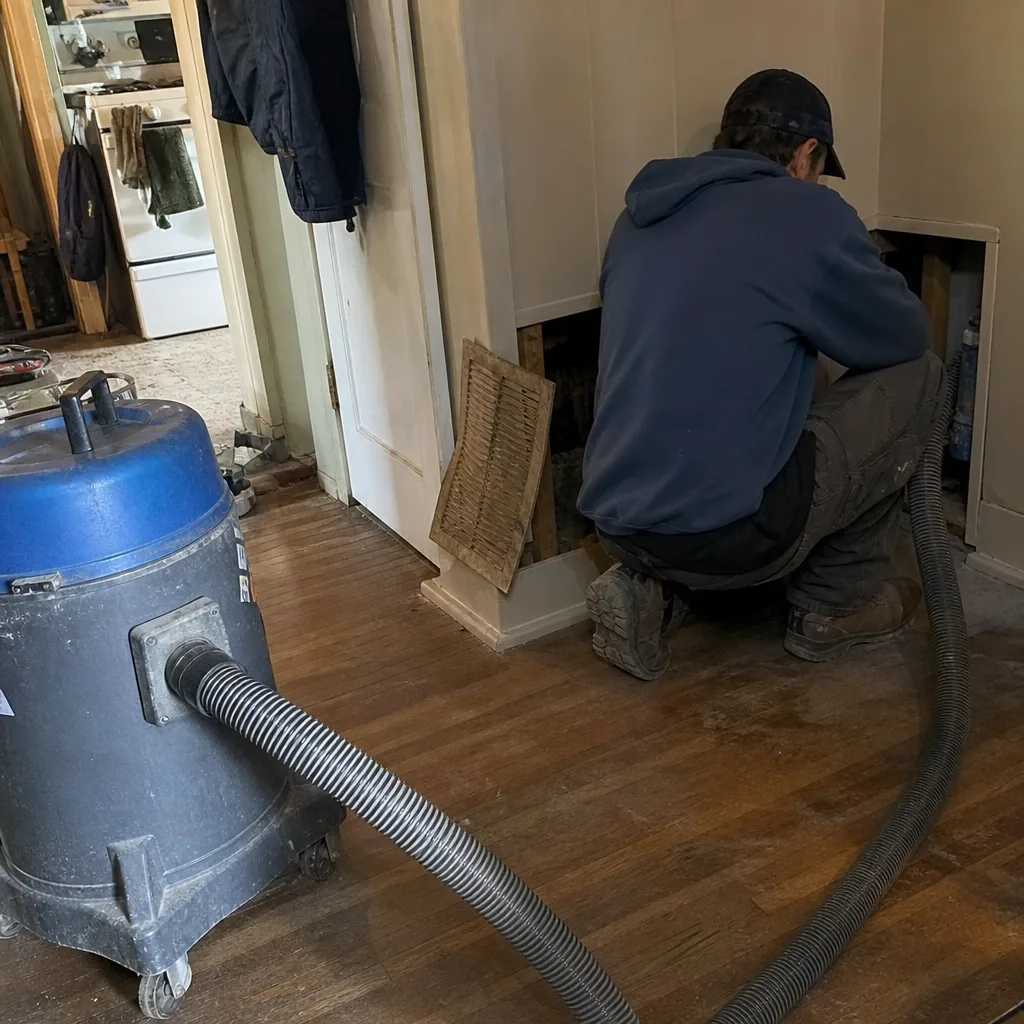 Before
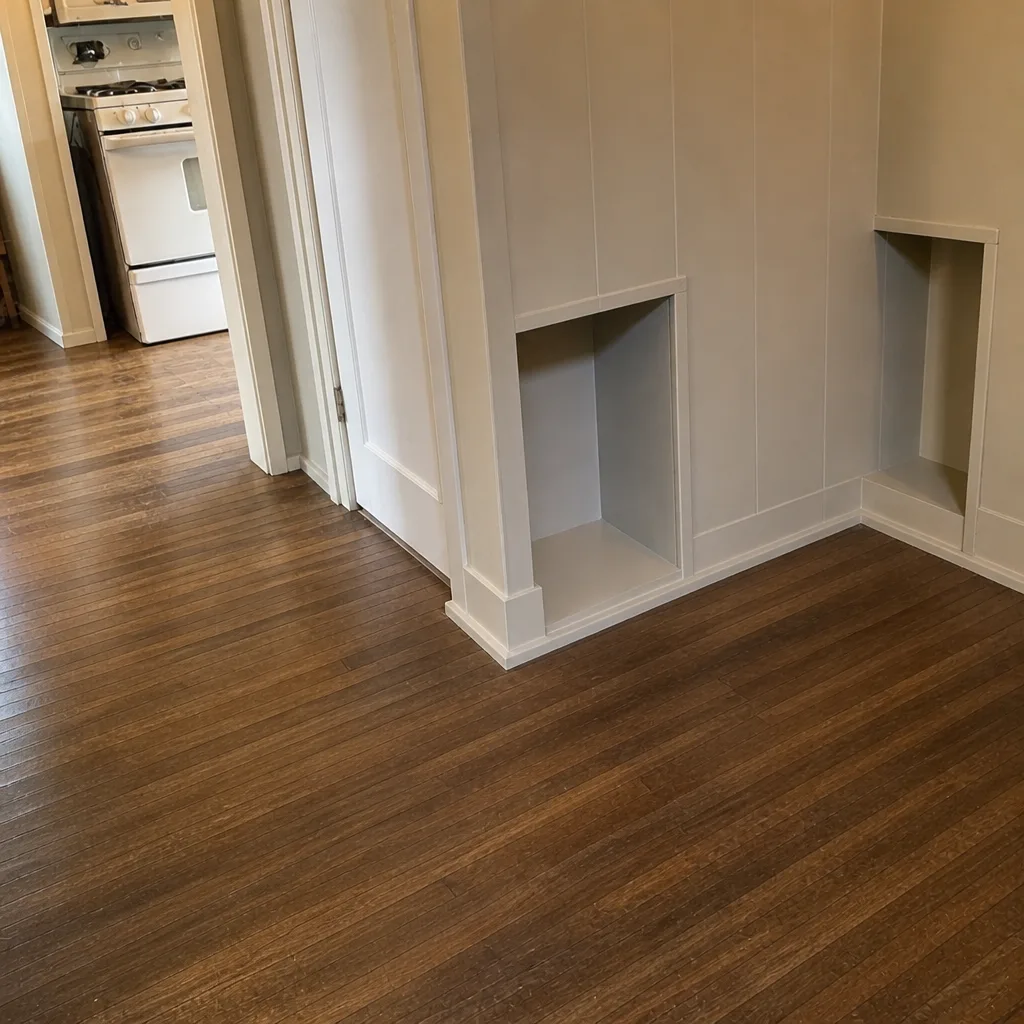 After
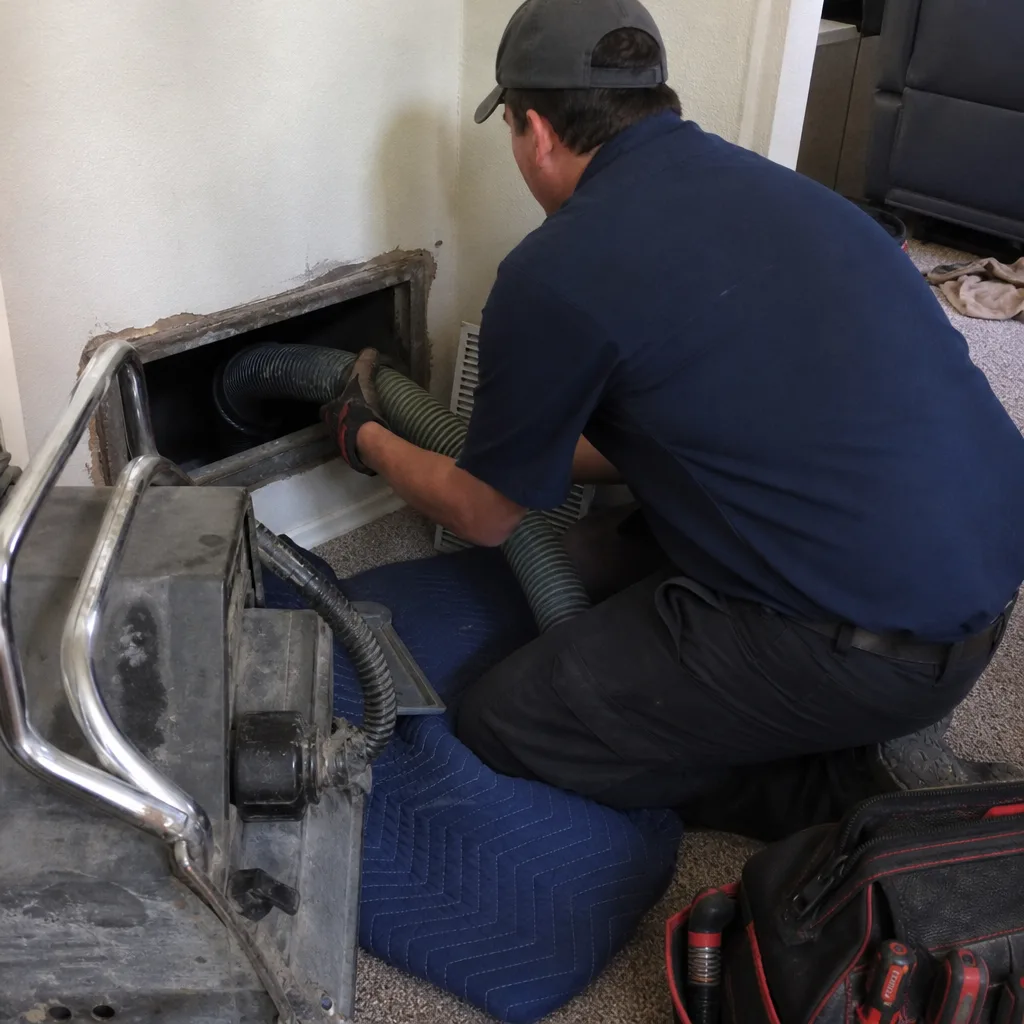 Before
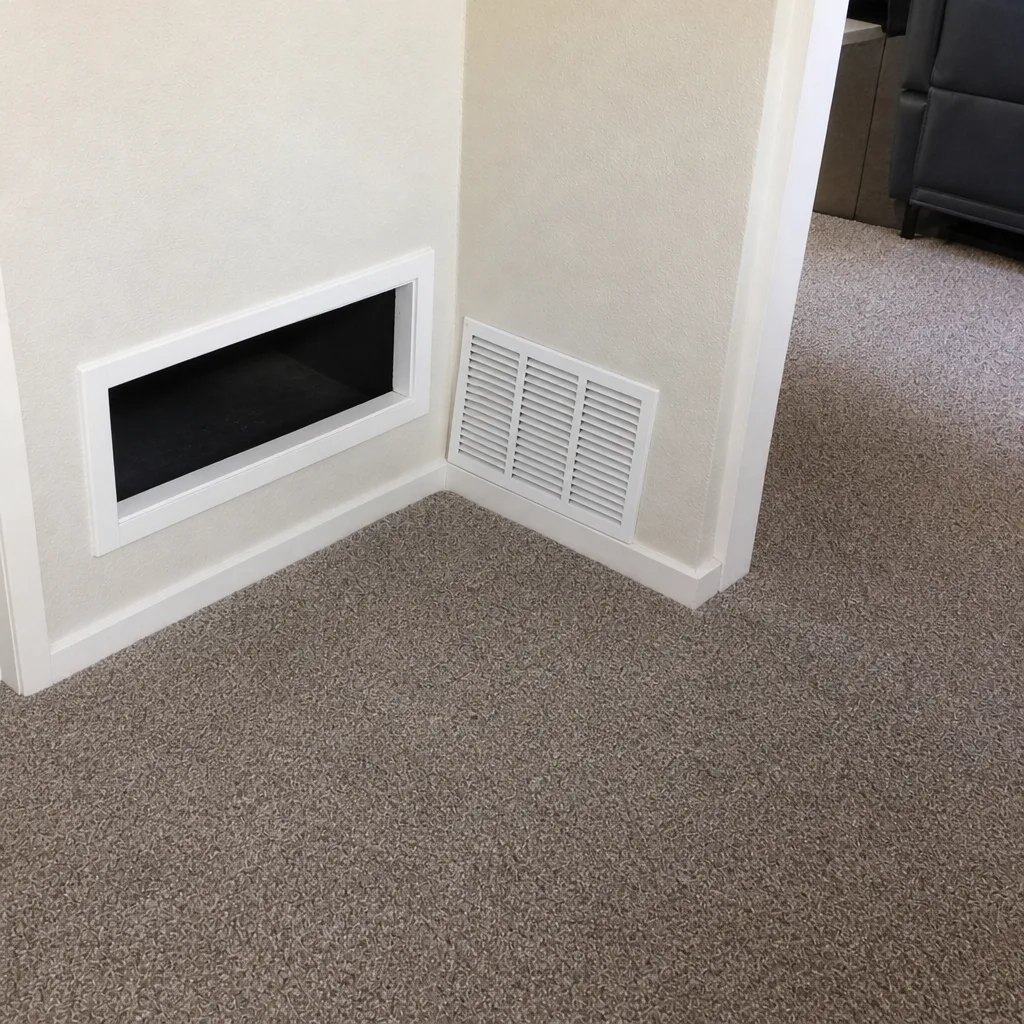 After
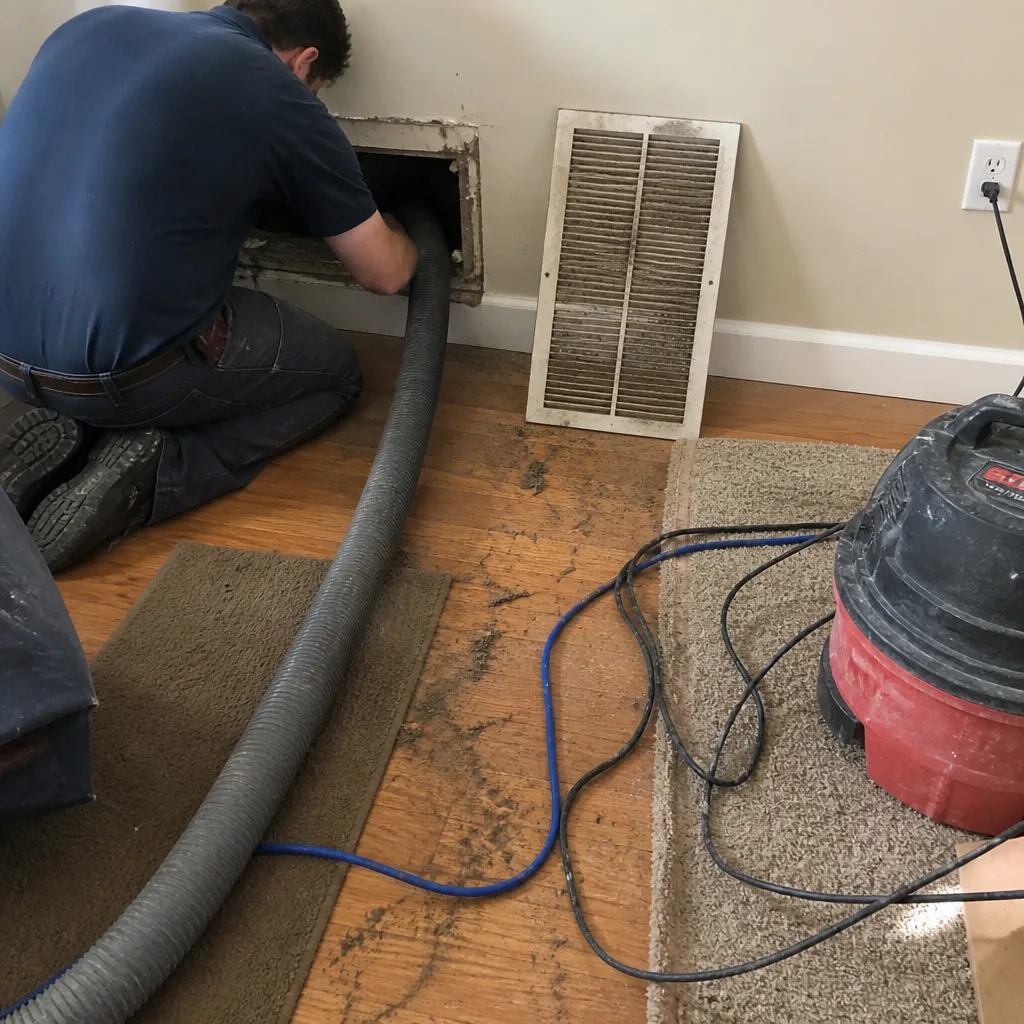 Before
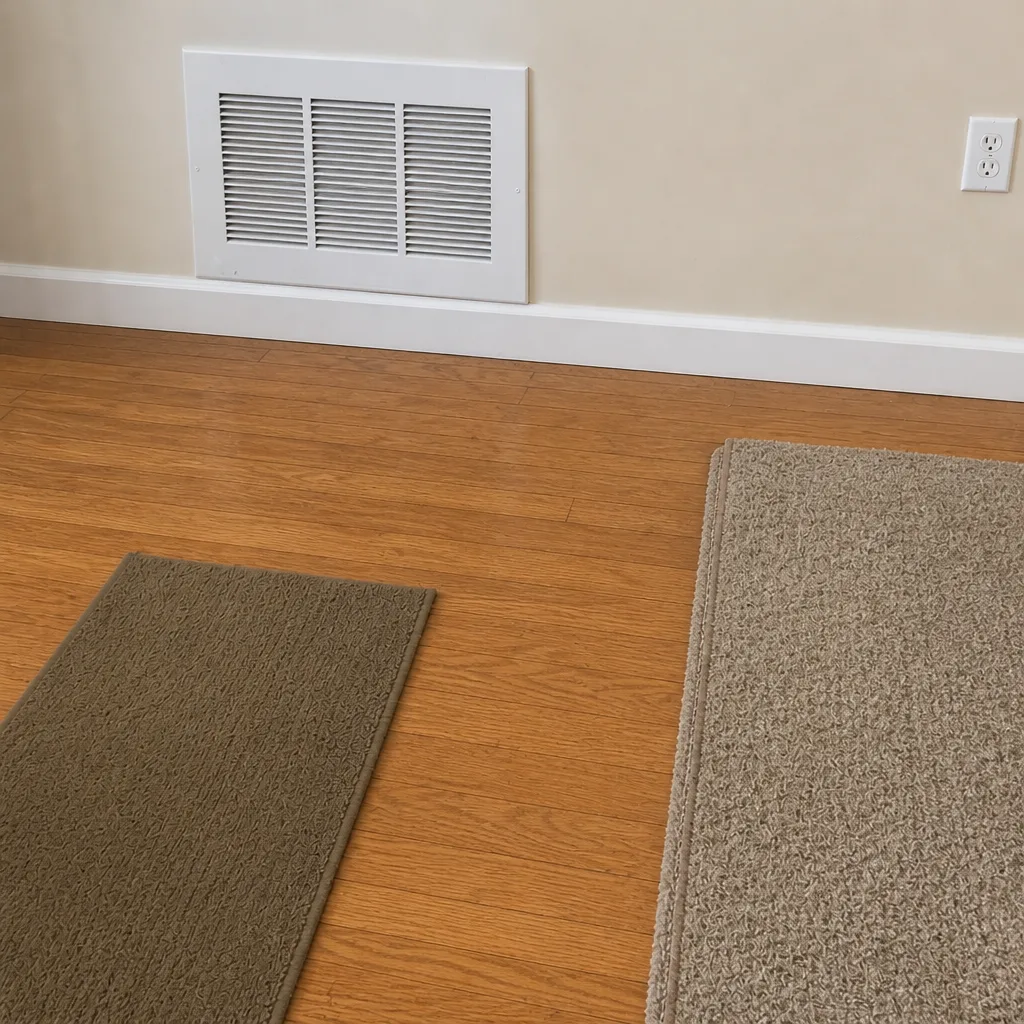 After