
Last updated November 15, 2026
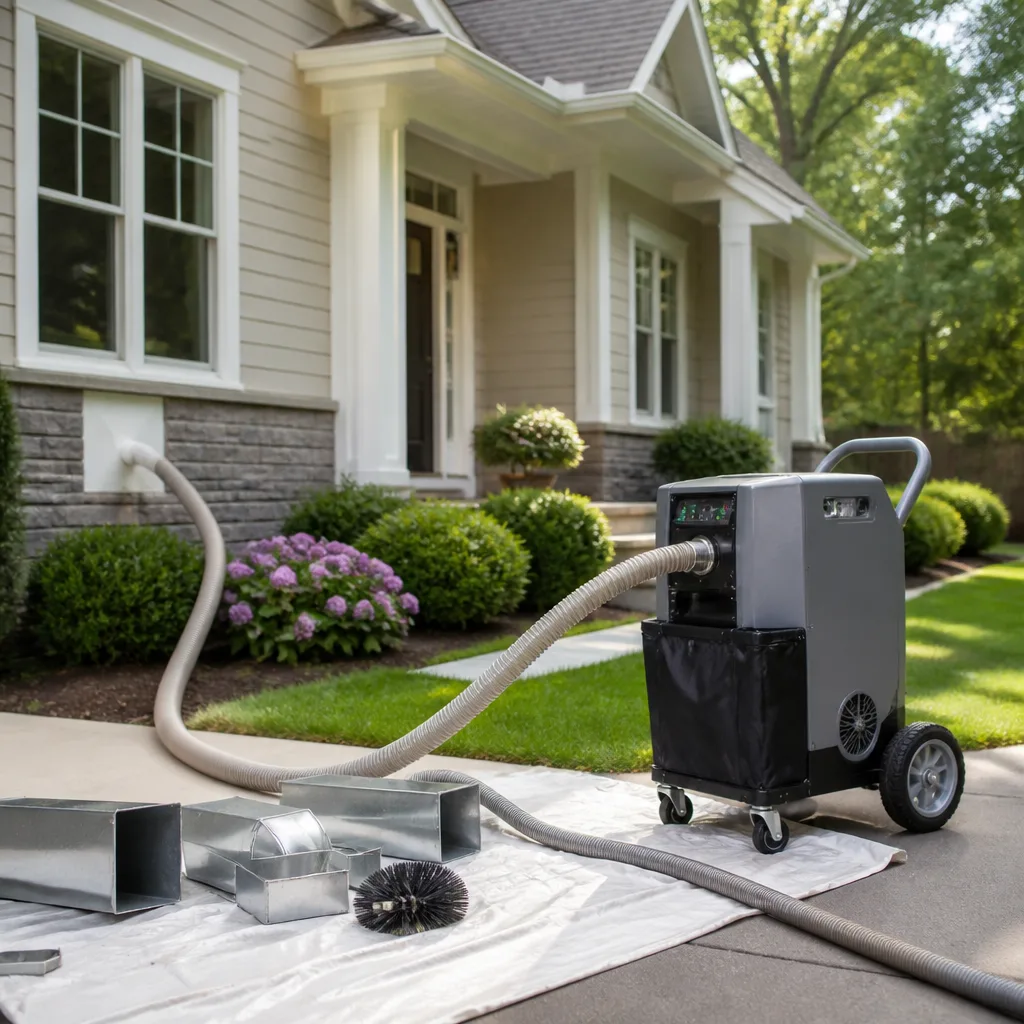 Whole-home duct cleaning
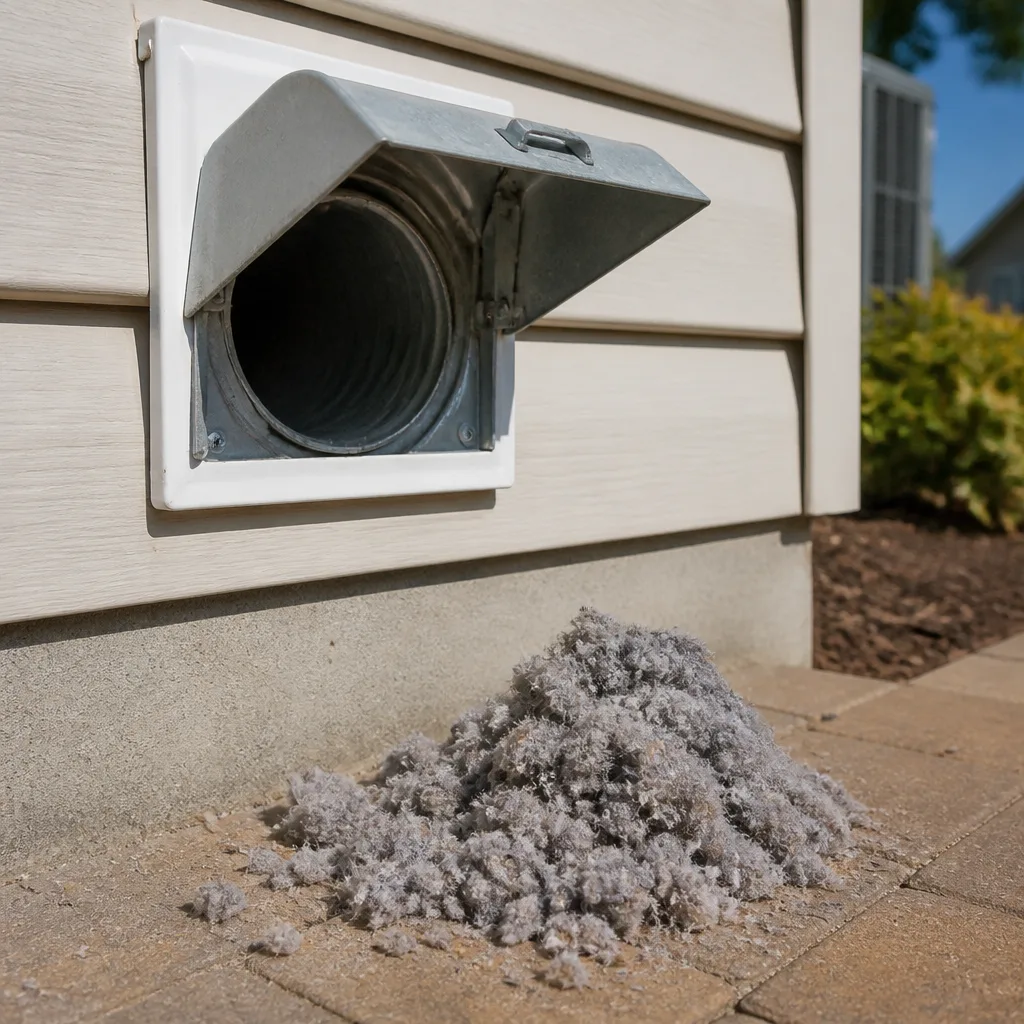 Dryer vent cleaning
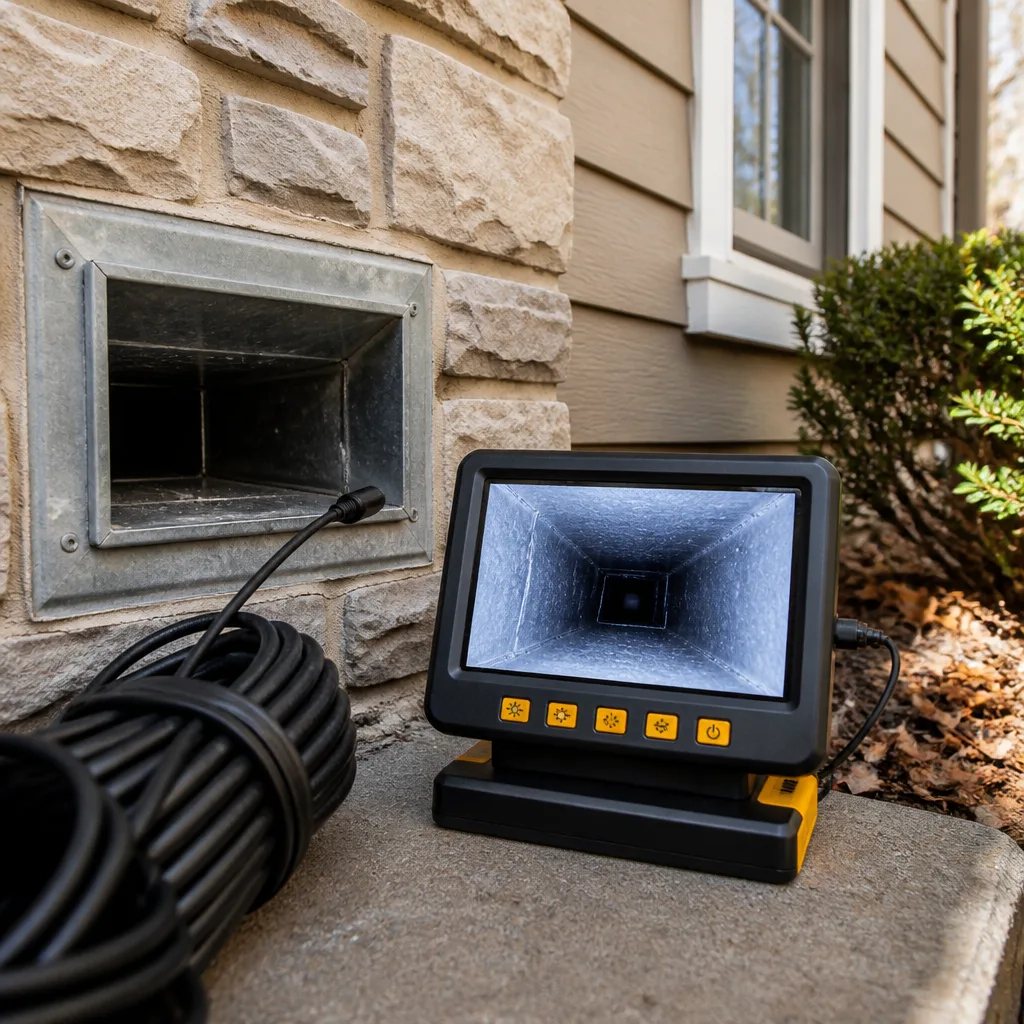 Camera inspection
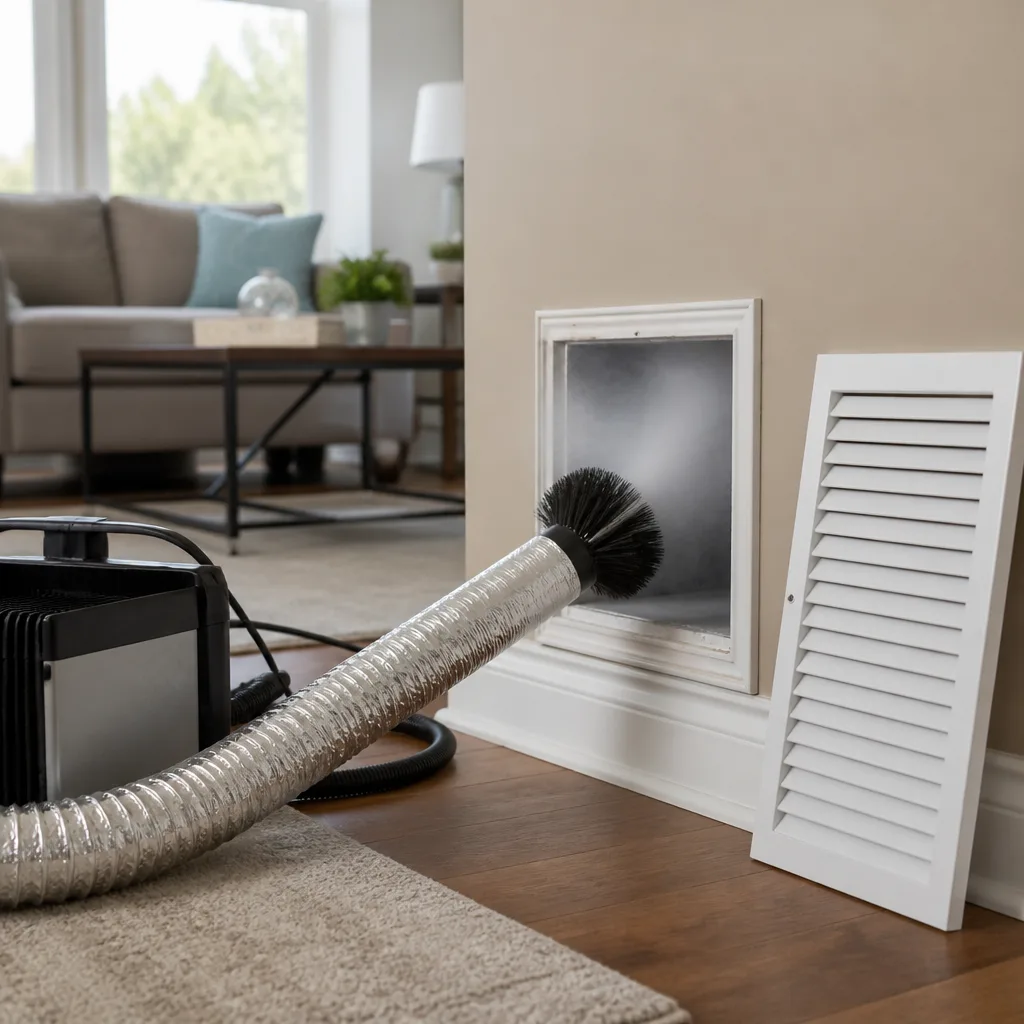 Sanitizing & deodorizing
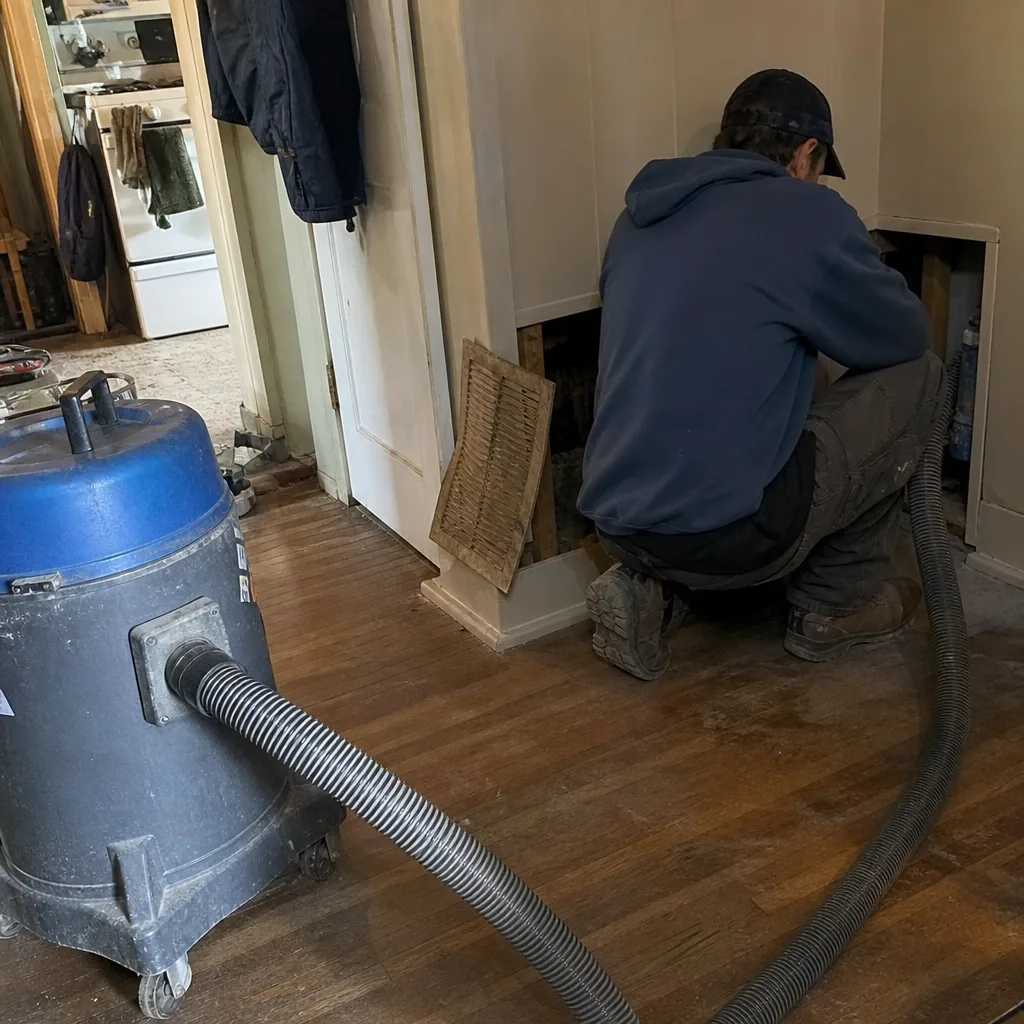
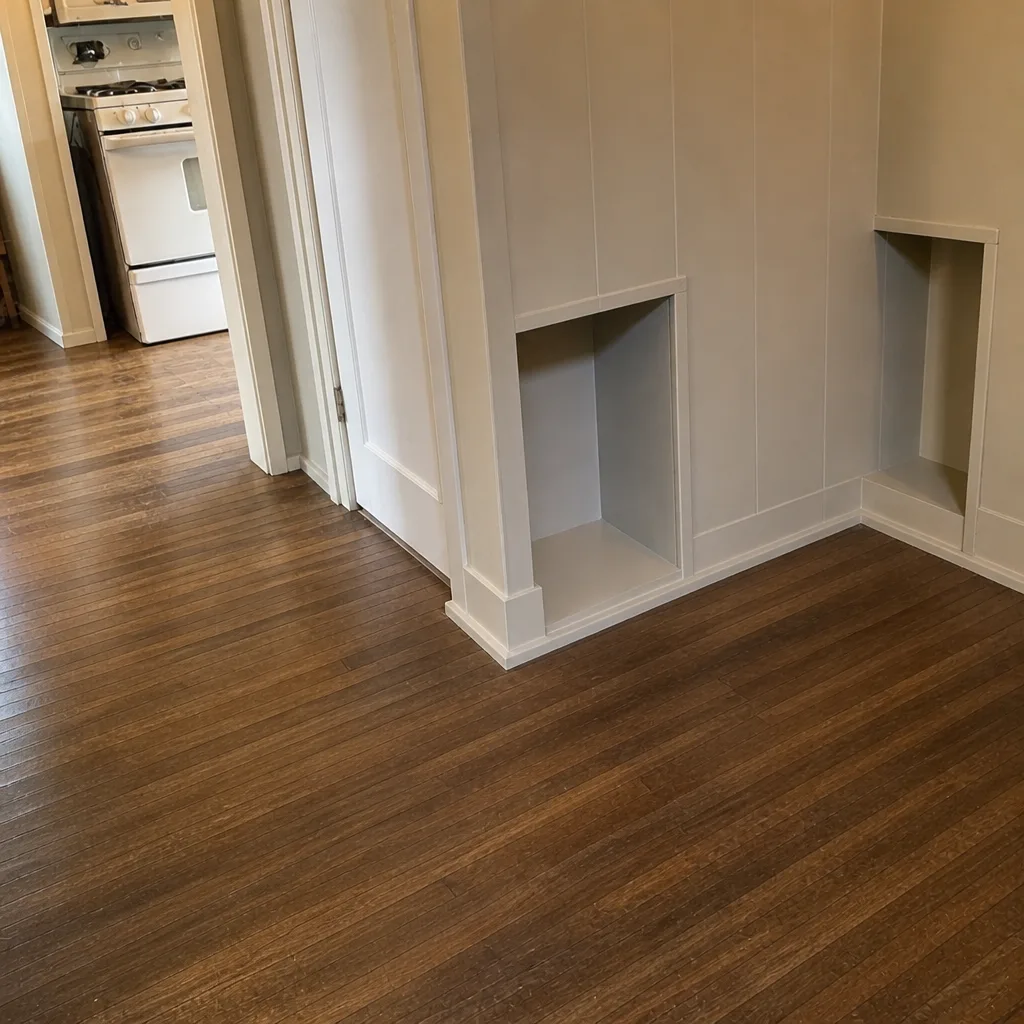
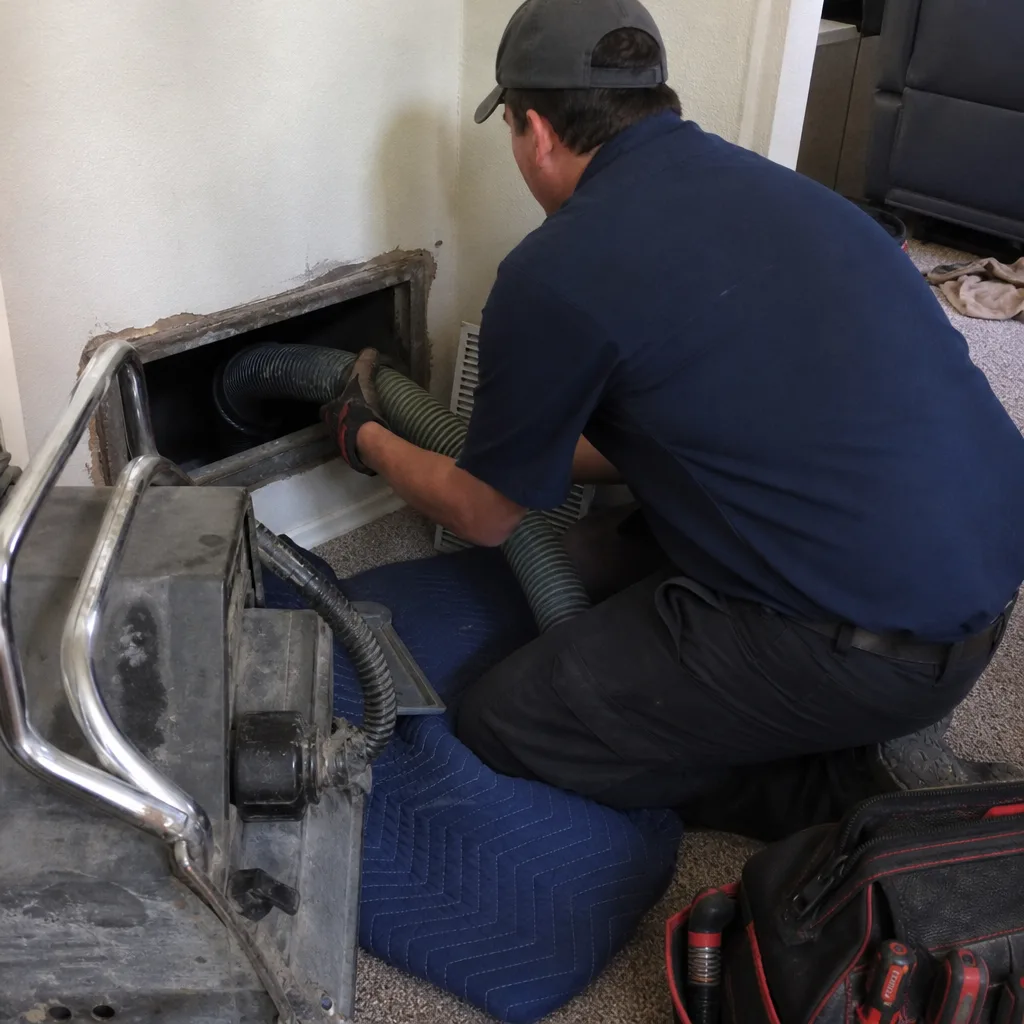
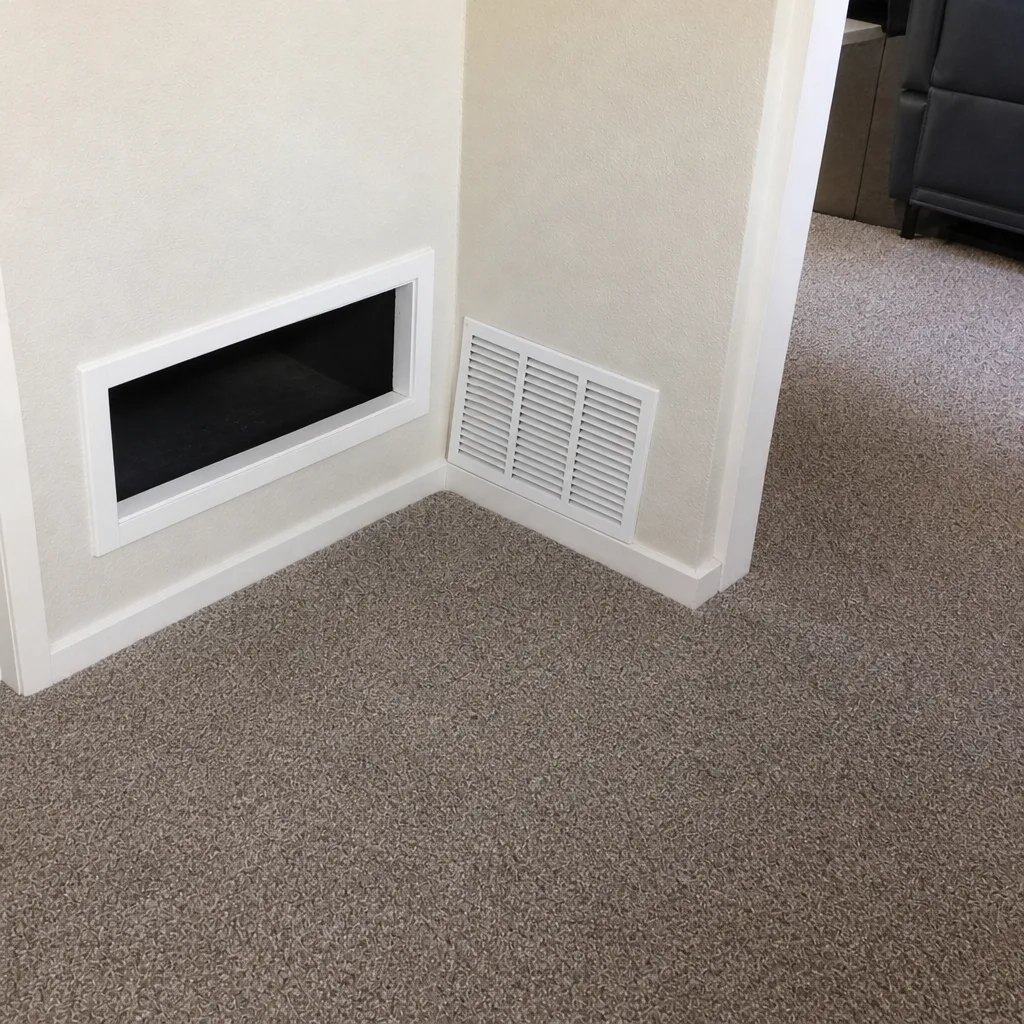
Whole-system duct and dryer vent check with before-and-after photos - you see exactly what came out of your vents
That "$99 whole-house special" is a bait ad - the real number appears once they are in your hallway, or the "clean" is a shop-vac at the register. We photograph the inside of your ducts before and after instead.
Air Duct Cleaning Permits, Codes & Inspections in Longmont, CO: What You Need to Know
No permit is required to clean a duct. A permit may be required to repair the duct they find during cleaning, and if that repair gets done without one, the liability tends to land on the homeowner rather than the contractor. That’s the line most Longmont homeowners never hear drawn, because the two activities usually arrive in the same quote. Cleaning is maintenance. Cutting into ductwork, adding an access panel, reconnecting a run, or replacing a plenum liner edges into mechanical work the city can inspect. This guide walks through what Colorado’s mechanical rules actually say, when a Longmont permit gets triggered, how to check a contractor’s standing with the state, and how to protect yourself when repair gets bundled into a cleaning estimate without anyone explaining the permit side.
Quick Answer
Cleaning an existing duct system in Longmont generally does not require a permit, because it’s maintenance of a system already in place. A permit is typically triggered when a contractor modifies the system itself: cutting a new access opening through drywall, reconnecting or rerouting ducts, or replacing a plenum liner. Any contractor performing that mechanical work should hold the appropriate licensure through the Colorado Department of Regulatory Agencies, and the work should be open to a City of Longmont mechanical inspection. If a cleaning quote includes “duct repair,” ask in writing whether a permit is part of it before signing.
Styles & brands we work with
- Whole-home duct cleaning
- Dryer vent cleaning
- Camera inspection
- Sanitizing & deodorizing
Table of Contents
- What Colorado’s Mechanical Code Says About Ducts
- Where Cleaning Crosses Into Permitted Work
- How to Verify a Contractor Through DORA
- What a Longmont Mechanical Inspection Looks For
- Why Inspections and Permits Matter at Resale
- Protecting Yourself When Repair Is Bundled
- How Longmont’s Climate and Housing Shape Duct Problems
- What a Permit-Ready Job Looks Like, Step by Step
What Colorado’s Mechanical Code Says About Ducts
Colorado doesn’t write its own mechanical rulebook from scratch. Local jurisdictions adopt model codes, and the mechanical code most Colorado cities build on is the International Mechanical Code, or IMC. The IMC sets standards for duct construction, materials, sealing, support spacing, clearances, and how duct systems connect to equipment. When Longmont or Boulder County adopts a version of that code, it becomes the local enforceable standard for anything installed or altered.
The key distinction for homeowners is between maintenance and alteration. Cleaning, sealing small leaks from the outside, replacing a filter, or adjusting a damper are maintenance. Altering the system’s physical configuration is not. That includes:
- Cutting a new access hole through drywall, plaster, or a cabinet panel to reach ductwork
- Disconnecting and reconnecting duct runs
- Replacing a section of duct or a plenum liner
- Adding, removing, or rerouting a branch
- Changing how the system connects to the air handler
Those are the operations that typically sit on the permit side of the line. The code also governs how the work must be done once permitted: sealed joints, proper support, correct materials, and clearances from combustibles. A duct repair done to code looks different from one done quickly. If you’re unsure whether a task counts as alteration, the safest move is to call the City of Longmont’s building department and describe the specific work. They’ll tell you plainly whether a mechanical permit applies.
Where Cleaning Crosses Into Permitted Work
We see this confusion constantly. A homeowner books air duct cleaning, the technician arrives, and during the job they discover a disconnected run behind a wall or a crushed section under a floor. The fix is real and worth doing. But the moment the fix requires opening drywall, cutting a new access point, or reconnecting a duct, the job has moved into a different category.
Here are the scenarios where that shift most often happens in Longmont homes:
- Access panel installation through drywall. Many older Longmont homes have ductwork buried behind finished walls with no service access. Cutting an opening to reach it is a modification, and it’s the single most common trigger we encounter.
- Duct reconnection. Flexible duct that has pulled apart at a joint, or rigid duct that has separated at a fitting, needs to be reconnected and sealed. That’s a repair of the system, not a cleaning of it.
- Plenum liner replacement. The plenum is the box where the air handler connects to the duct system. If the interior liner is deteriorating and shedding fibers into the airstream, replacing it is mechanical work.
- Crushed or collapsed duct sections. Ductwork crushed under flooring or pinched at a bend often needs to be cut out and replaced, which means new material and new connections.
- Adding a return or supply branch. Any new branch changes the system’s balance and falls under mechanical permitting.
None of these are reasons to avoid the repair. They’re reasons to know which side of the line you’re on. A contractor who understands the distinction will tell you up front that a permit may be needed, and will explain why. One who doesn’t mention it at all is either unaware of the requirement or choosing not to raise it.
How to Verify a Contractor Through DORA
Colorado regulates a range of trades through the Department of Regulatory Agencies, commonly called DORA. Electricians and plumbers hold licenses through DORA’s divisions. HVAC-adjacent mechanical work sits in a murkier spot in Colorado than in some states, which is exactly why verification matters here. Not every person who cleans ducts needs a state license. But anyone performing mechanical alterations should be able to show you their standing, and you should check it yourself rather than take a claim at face value.
Here’s how to verify a contractor before you sign:
- Ask for the license or registration details in writing before the estimate, not after the work is scheduled. A legitimate contractor will provide them without hesitation.
- Look up the credential on DORA’s public license lookup. DORA maintains an online search where you can confirm whether a license is active, expired, or subject to disciplinary action.
- Confirm the credential matches the work. A license for one trade doesn’t automatically cover mechanical alteration of ductwork. Ask the contractor to explain which credential covers the specific repair in your quote.
- Ask about insurance and bonding. We’re insured and bonded, and any contractor you hire should be able to confirm the same. Ask for a certificate of insurance and check that it’s current.
- Ask whether the contractor will pull the permit. If a permit is required, the licensed contractor typically pulls it. A contractor who asks you to pull it yourself is shifting legal responsibility onto you.
Verification takes ten minutes. It’s the cheapest protection you’ll ever buy on a home project, and it’s the difference between a repair that’s documented and one that isn’t.
What a Longmont Mechanical Inspection Looks For
If a permit is pulled, a City of Longmont mechanical inspection typically follows. Homeowners often assume the inspection is a formality. It isn’t. The inspector is checking whether the work as installed meets the code the permit was issued under, and their report becomes a record of the work.
What an inspector generally looks at on duct-related mechanical work:
- Materials and construction. Duct material, gauge, and flexibility must match what the code allows for the application. Foil-tape-only connections on certain joints won’t pass.
- Sealing. Joints and seams should be sealed with approved methods, not left open or taped casually.
- Support and spacing. Flexible duct needs proper support at the required intervals and shouldn’t sag or rest on sharp edges.
- Clearances. Ductwork must maintain required distance from combustibles and from certain equipment.
- Connections at the plenum and air handler. The connection point is checked for secure attachment and sealing.
- Access. If an access panel was installed, the inspector verifies it’s properly framed, finished, and serviceable.
An inspection report becomes part of the property’s permit history. That record matters little day to day, but it matters a great deal when you sell. A buyer’s inspector will ask whether work was permitted. If the answer is “unknown,” that’s a negotiating problem.
Why Inspections and Permits Matter at Resale
Longmont’s housing stock is a mix of older mid-century homes, newer builds on the east side, and everything in between. Buyers in this market have gotten more careful about documentation, and their inspectors have too. When a home inspection turns up evidence of duct repair without a permit on record, the buyer’s agent will flag it, and the conversation usually ends with a request for a credit or a demand that the work be retroactively permitted.
Retroactive permitting is possible, but it’s a hassle. The city has to inspect work that’s already covered over, which may mean opening walls again. That’s expensive, and it’s the homeowner’s cost, not the original contractor’s. The permit, if it was required and skipped, becomes your problem years after the contractor has moved on.
For property managers, the calculation is even more direct. A documented mechanical repair protects the asset and satisfies disclosure requirements. An undocumented one sits as a latent liability. If you manage rentals in Longmont, ask for permit documentation on any duct repair invoice and keep it in the property file. It’s a small administrative habit with real downstream value.
If you’re preparing a home for sale and you’re not sure whether your ductwork has been modified, a professional inspection of the system is worth the call. Our duct cleaning service technicians can tell you what they find and document it clearly, so you know what you’re disclosing before a buyer’s inspector finds it for you.
Protecting Yourself When Repair Is Bundled
The most common contract problem we hear about isn’t fraud. It’s ambiguity. A cleaning estimate arrives, the price includes “repair as needed,” and the homeowner signs without asking what that means, who pulls the permit, and whether the price changes if the repair is substantial. That ambiguity is where disputes come from.
Here’s what to require in writing before you sign:
- A separate line for cleaning and for repair. These are different scopes of work with different regulatory implications. They should be priced and described separately, not folded into one figure.
- A clear statement of what the repair involves. Is it reconnecting an existing joint, or is it cutting new access through drywall? The answer determines whether a permit applies.
- Who pulls the permit. If a permit is required, name the party responsible and confirm it in the contract.
- What happens if more is found. A contractor shouldn’t be able to open a wall and expand the scope without your written approval on the revised cost.
- The final price. We work on one flat price per system, agreed before work starts, with no per-vent pricing. Whatever the quote structure, get the final number in writing and confirm what could change it.
- Before-and-after documentation. Photos of the condition before and after cleaning are standard for us and should be for anyone you hire. They’re your proof the work happened.
A written estimate that sets the final price and separates cleaning from repair is the single best protection you have. If a contractor resists putting these details in writing, that resistance is itself the answer.
How Longmont’s Climate and Housing Shape Duct Problems
Longmont sits at the edge of the Front Range, where the air is dry most of the year, winters are cold, and spring brings wind-blown dust and pollen through the St. Vrain Valley. That climate pattern has a real effect on what builds up inside duct systems. Dry air encourages dust to stay airborne longer and settle into return ducts. Heating season runs long, so the system cycles frequently and moves a lot of fine particulate. Spring pollen and agricultural dust from the surrounding plains add to the load.
The housing side matters just as much. Older homes in central Longmont often have original sheet-metal ductwork that’s developed loose joints and gaps over the decades. Newer construction on the east side frequently uses flexible duct, which is easier to crush or kink during installation and easier to disconnect at fittings. Both patterns produce the same result: conditioned air that leaks before it reaches the room, and dust that settles in places the homeowner can’t see.
That’s why our approach pairs Rotobrush brush agitation with Nikro HEPA vacuum extraction. Contact-and-capture cleaning means the debris gets physically dislodged from the duct wall and pulled into a sealed vacuum, not just blown loose to settle somewhere else. On jobs with heavier contamination, from renovation fallout or long-deferred maintenance, we bring Abatement Technologies air-filtration equipment into the workspace. It’s the same category of gear used in professional remediation work, and it keeps the surrounding living space protected while the system is opened up.
If the cleaning turns up a repair, we fix what we find rather than flagging it and leaving. That’s why our service covers air duct cleaning, duct repair, and dryer vent cleaning under one roof. One contractor, one diagnosis, one scope of work. No separate company to coordinate with, and no gap where a repair gets penciled in without anyone explaining the permit question.
What a Permit-Ready Job Looks Like, Step by Step
When a cleaning job includes repair that may need a permit, the work should follow a clear sequence. Here’s what that sequence looks like from the homeowner’s side, so you know what to expect:
- Initial assessment. Before any cleaning begins, the technician inspects the accessible duct system, notes the condition, and identifies any repair that’s likely. If repair looks likely, the permit question gets raised now, not later.
- Written scope and estimate. Cleaning and repair are described separately. If a permit applies, the estimate says so and names who pulls it. The final price is set before work starts.
- Permit application, if required. The licensed contractor applies for the mechanical permit through the City of Longmont’s building department. You receive confirmation the permit was pulled.
- Cleaning performed. The core cleaning runs with contact-and-capture equipment. Before-and-after photos document the condition of the ducts.
- Repair performed. Duct repair is done to the standard the permit was issued under, with proper materials, sealing, and support.
- Inspection, if required. The city mechanical inspector reviews the permitted work and signs off. You receive the inspection record for your property file.
- Documentation handoff. You receive the estimate, the invoice, the permit and inspection records, and the before-and-after photos. That package is what protects you at resale.
Not every job needs all seven steps. A routine cleaning on a system in good condition stops at step four. But when repair enters the picture, this sequence is what separates a documented job from an undocumented one.
Common Mistakes to Avoid
- Assuming the cleaning quote covers the repair. A low cleaning estimate that later grows once a repair is discovered is the most common complaint in this trade. Ask upfront whether the price includes repair and how scope changes are handled. We work on one flat price per system set before work starts, and the written estimate sets the final price.
- Not asking about the permit until after the work is done. Once ductwork is reconnected and the wall is closed, the permit conversation is much harder. Raise it before you sign, and get the answer in writing.
- Pulling the permit yourself to save a step. When a homeowner pulls the permit for a contractor’s work, the homeowner carries the inspection risk and the liability if the work fails. Licensed contractors pull their own permits.
- Hiring on price alone without checking DORA. A quote that’s a fraction of the others often reflects missing insurance, missing credentials, or a scope that doesn’t include what you think it does. Check DORA’s license lookup before you sign, not after.
- Skipping the before-and-after photos. Photos are your proof the work was done. If a contractor can’t show you the condition before and after, you have no way to verify the job.
- Ignoring the permit history at resale. Longmont buyers and their inspectors are asking about permit records. An unpermitted repair discovered during a sale becomes a credit request or a retroactive permit at your expense.
- Treating dryer vent cleaning as a separate, minor errand. Dryer vents are part of the same ventilation system, and blockage there is a fire risk. It’s worth having checked on the same visit as the duct cleaning rather than left for later.
See the difference
 Before
 After
 Before
 After
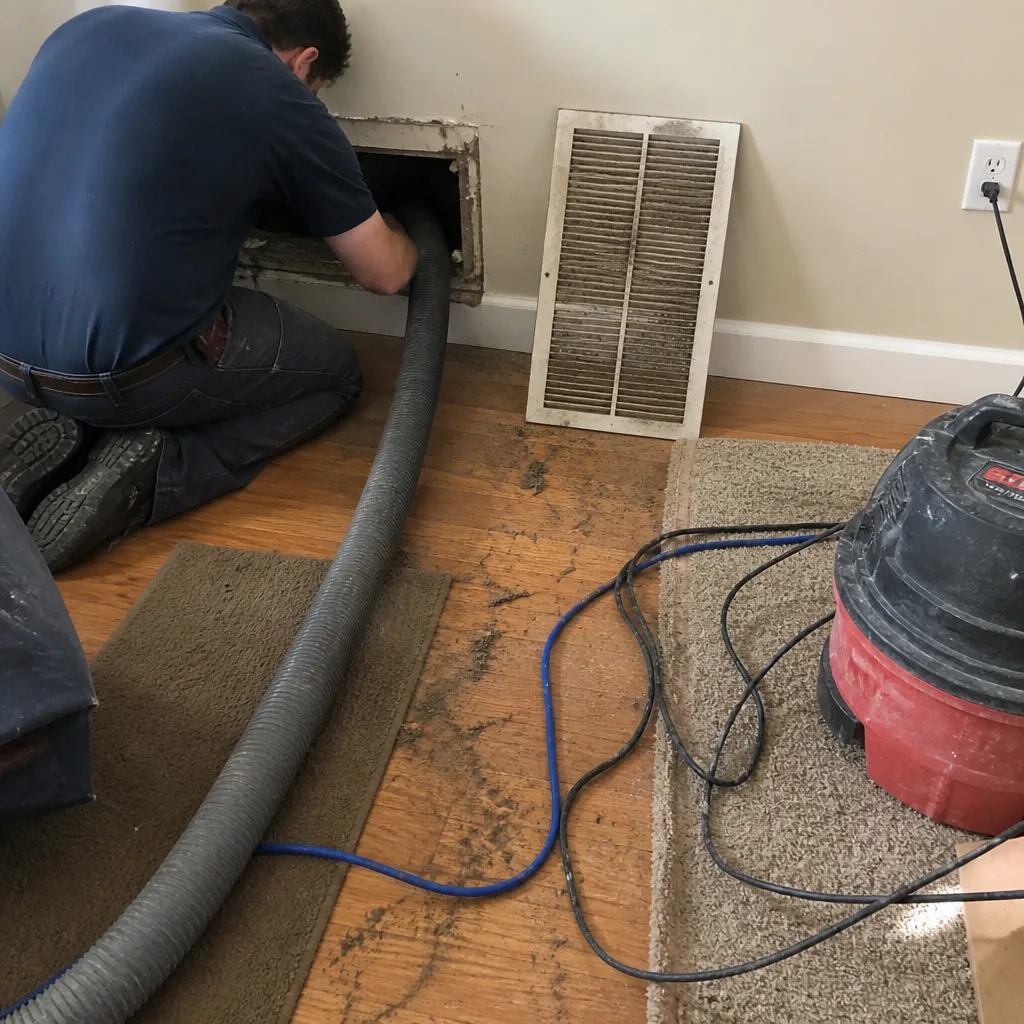 Before
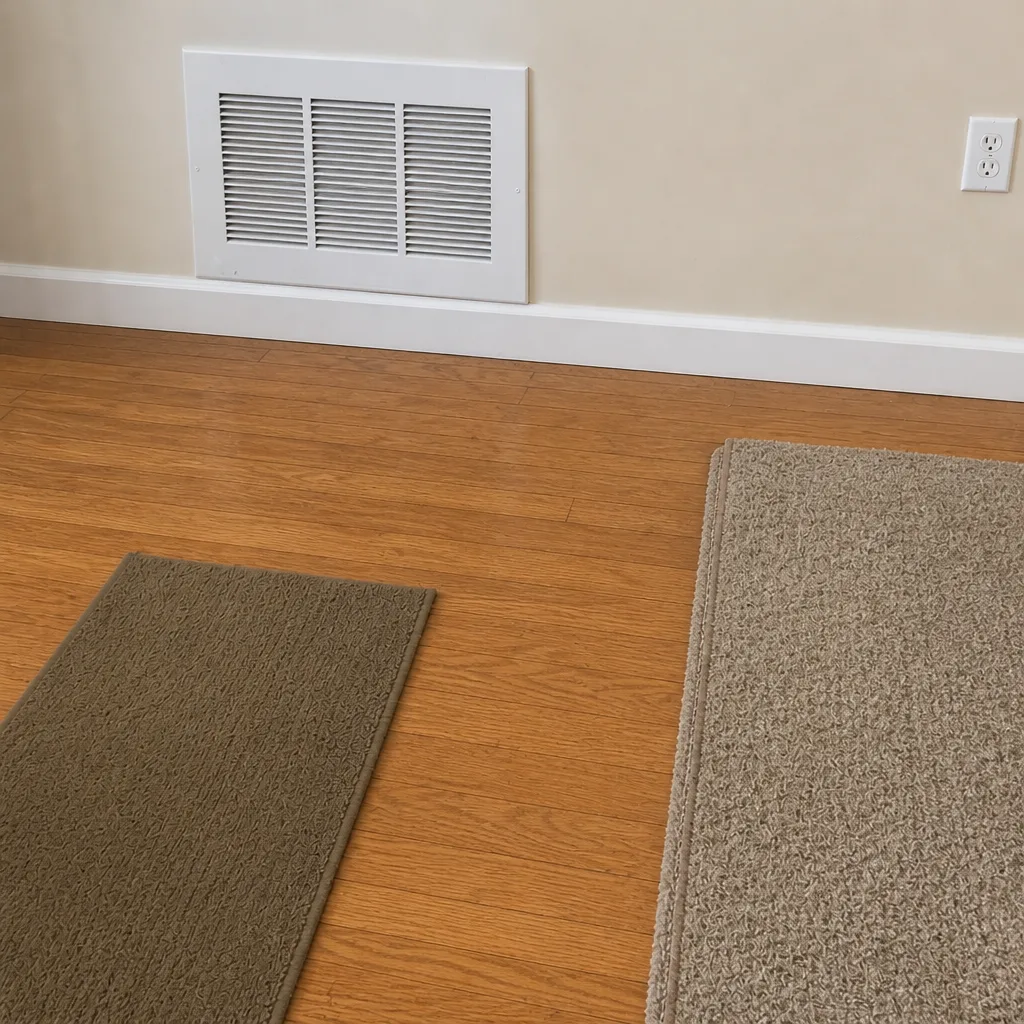 After
When to Call a Professional
Some duct problems announce themselves: musty odors, visible dust blowing from registers right after cleaning, uneven airflow between rooms, allergy symptoms that worsen indoors. Others stay hidden until an inspection turns them up. Call a professional when you notice any of those signs, when it’s been years since the system was serviced, or when you’re preparing a home for sale and can’t document whether the ductwork has been modified. The same goes for any repair that would require opening a wall or reconnecting ductwork. That’s the moment the permit question matters, and it’s the moment to have a contractor who knows the difference between cleaning and mechanical alteration.
Duct Cleaning Longmont offers free estimates in Longmont. We inspect the system, separate cleaning from repair in the estimate, and tell you plainly whether a permit applies to the work. Call (866) 361-9658. We answer 24/7. Fast dispatch from 7am to 7pm, Sunday through Friday.
Frequently Asked Questions
No. Cleaning an existing duct system is maintenance and doesn’t require a permit. A permit is triggered only when the work modifies the system itself, such as cutting a new access opening, reconnecting or rerouting ducts, or replacing a plenum liner. If your cleaning quote includes repair work like that, ask whether a mechanical permit is part of the job. Call (866) 361-9658 for a free estimate that separates cleaning from repair.
Colorado doesn’t license duct cleaning as its own trade, but mechanical alteration of ductwork falls into a regulated space. Contractors performing that mechanical work should hold the appropriate credential and be able to show it. You can verify standing through the Colorado Department of Regulatory Agencies’ public license lookup. We’re insured and bonded, and we’ll provide our credential details in writing before you sign. Call (866) 361-9658 with questions about a specific job.
A City of Longmont mechanical inspection is triggered when a permit is pulled for mechanical work, most commonly duct repair, reconnection, access panel installation, or plenum liner replacement. The inspector checks materials, sealing, support, and clearances against the code the permit was issued under. The resulting inspection record becomes part of the property’s permit history. If you’re unsure whether your job needs one, the city building department will tell you. Call (866) 361-9658 for a free estimate and we’ll flag the permit question upfront.
Low quotes usually leave something out: proper equipment, insurance, permit handling on repair work, or the repair itself. A figure that’s dramatically lower than the others often reflects a scope that stops at the cheapest possible cleaning and treats any repair discovered onsite as a separate, unbudgeted charge. We work on one flat price per system agreed before work starts, with no per-vent pricing, and before-and-after photos of your own ducts. Call (866) 361-9658 for an honest estimate.
Before-and-after photos of your own ductwork are the simplest proof, and any contractor should provide them. We document the condition before and after on every job, using Rotobrush brush agitation and Nikro HEPA extraction so the debris is physically removed, not just loosened. If a contractor can’t show you the condition before and after, you have no way to verify the work. Call (866) 361-9658 to schedule a free estimate.
Most homes in the Longmont area do well on a cleaning every few years, though the right interval depends on the system, the household, and what’s happening in the home. Homes with pets, recent renovation dust, or occupants with allergy sensitivity often need it sooner. Long heating seasons and spring pollen in the St. Vrain Valley add load to the system. A brief inspection will tell you whether cleaning is due. Call (866) 361-9658 for a free estimate.
The Bottom Line
Cleaning a duct doesn’t need a permit. Modifying one might. That’s the line that matters in Longmont, and it’s the one most homeowners don’t hear until something goes wrong. Colorado’s mechanical code, built on the IMC and adopted locally, governs duct alteration rather than routine cleaning. Cutting access through drywall, reconnecting runs, and replacing plenum liners are the triggers. Verify any contractor’s standing through DORA, require cleaning and repair to appear as separate line items, confirm who pulls the permit, and keep the before-and-after photos and inspection records in your property file. That documentation costs nothing up front and pays off at resale. Need the work done right, with the paperwork to match? Call Duct Cleaning Longmont at Longmont‘s local duct specialists at (866) 361-9658 for a free estimate. We answer 24/7. Fast dispatch from 7am to 7pm, Sunday through Friday.
Written by the team at Duct Cleaning Longmont.