
Last updated November 15, 2026
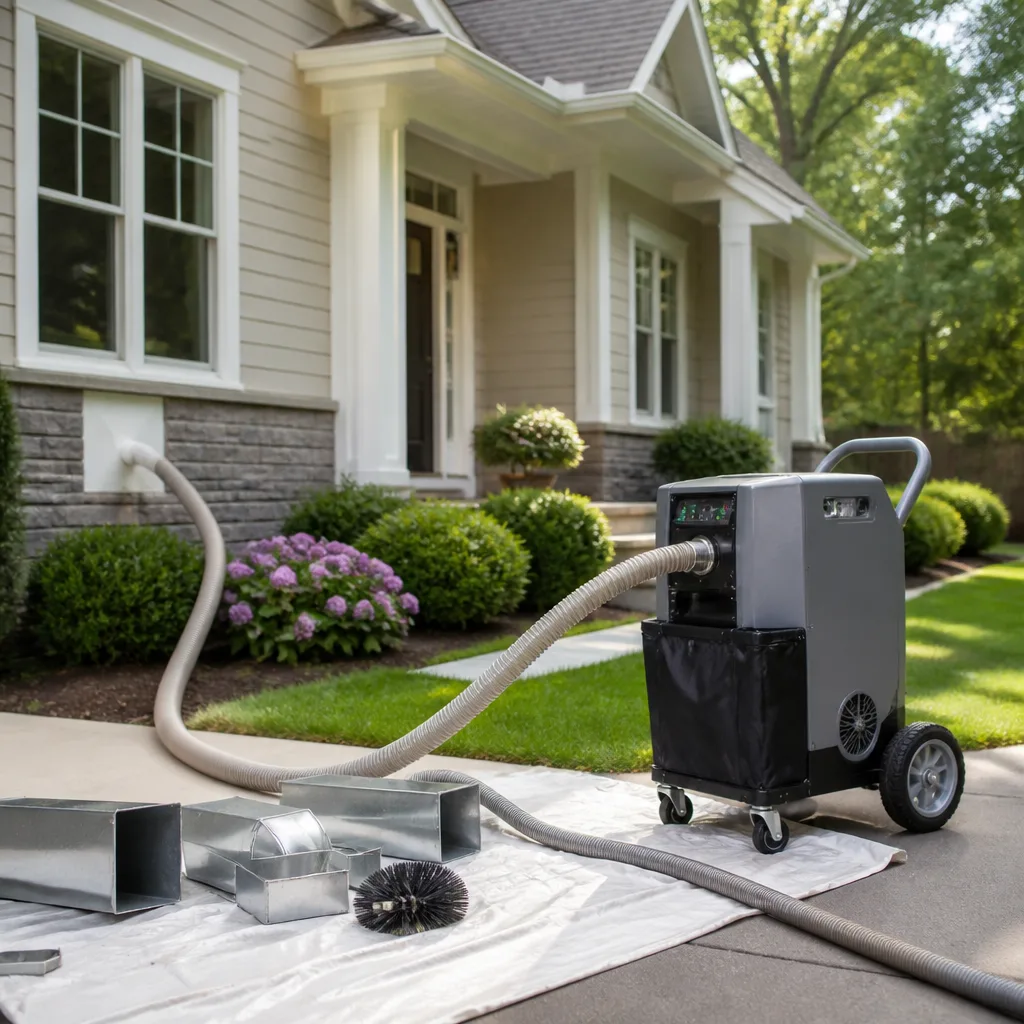 Whole-home duct cleaning
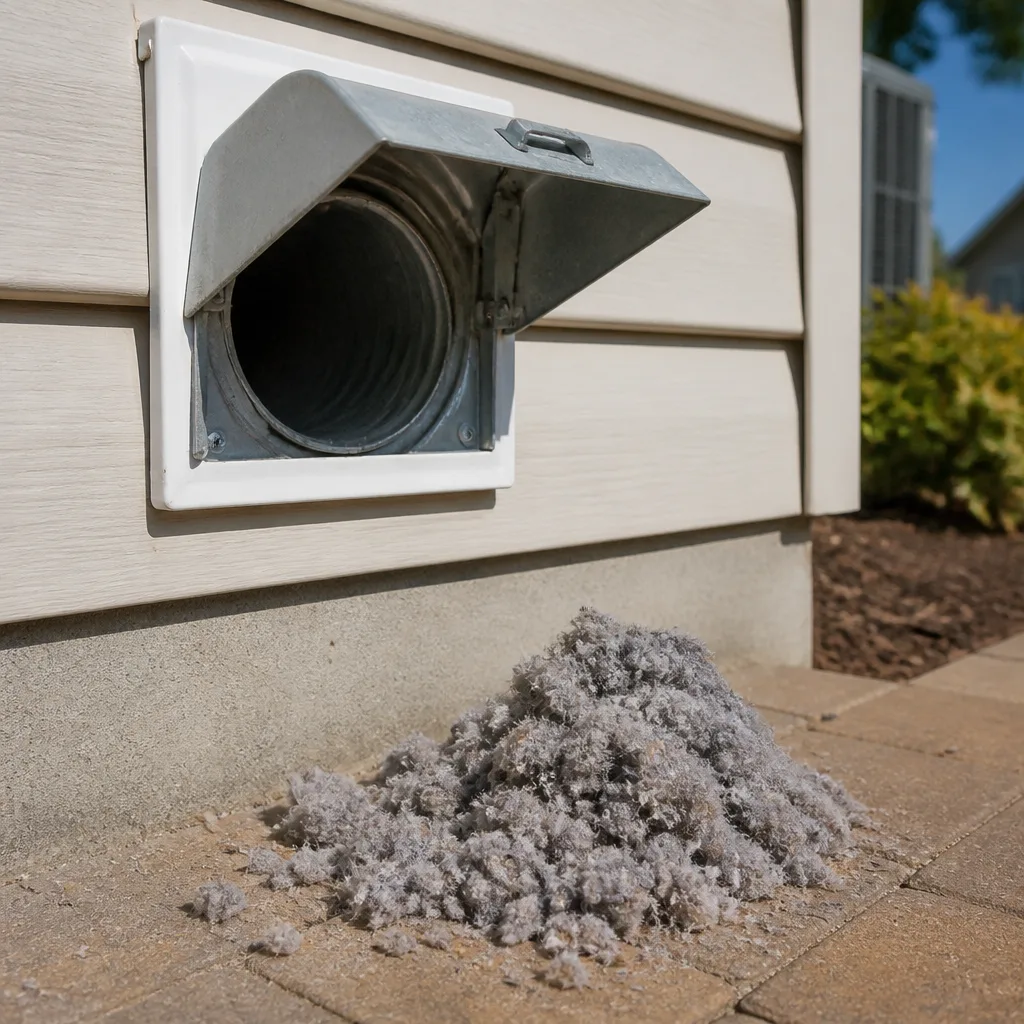 Dryer vent cleaning
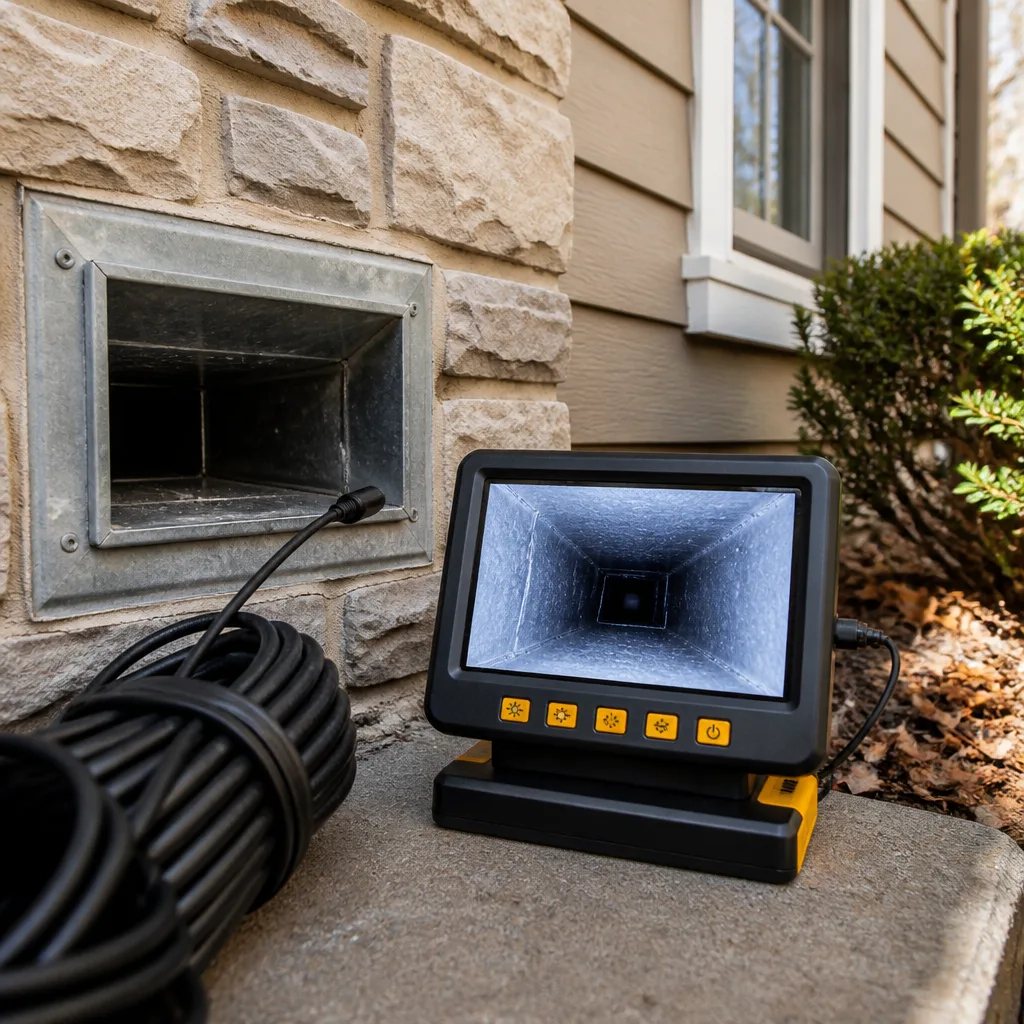 Camera inspection
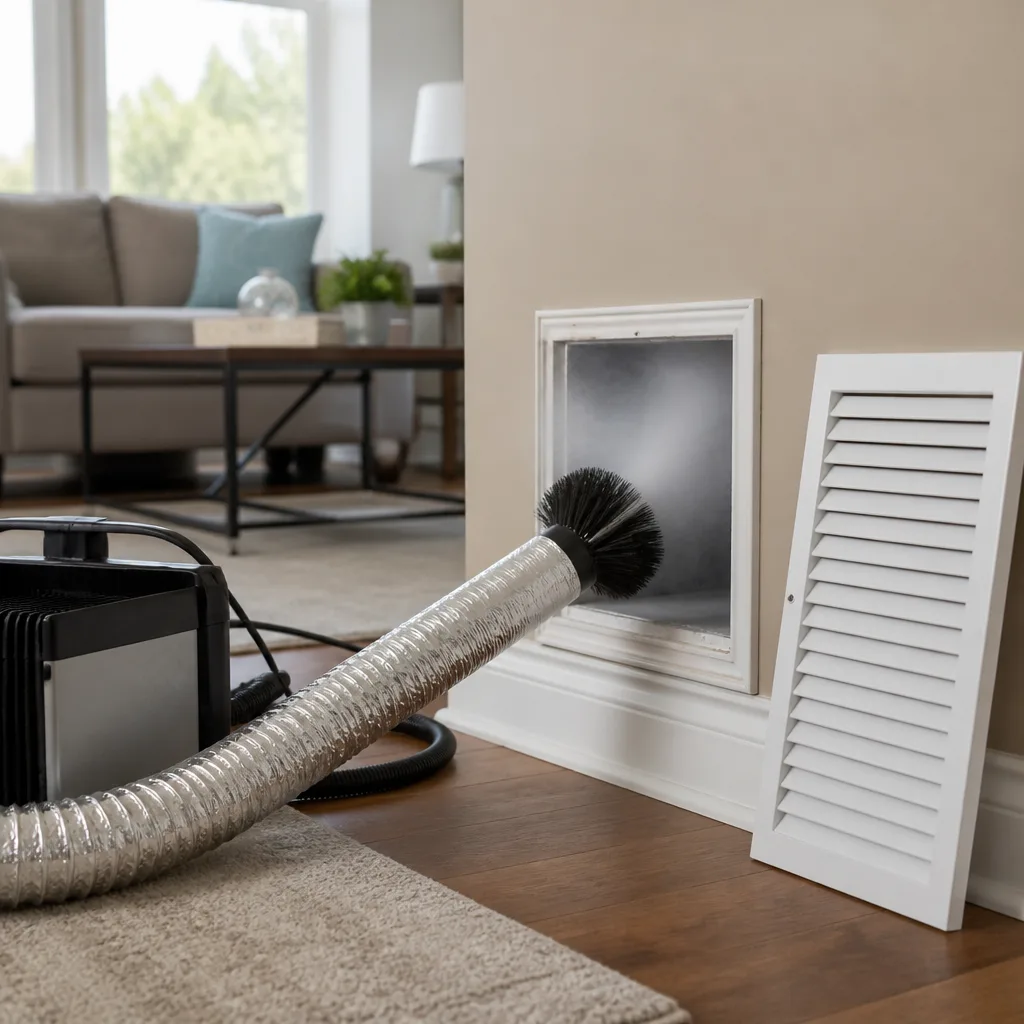 Sanitizing & deodorizing
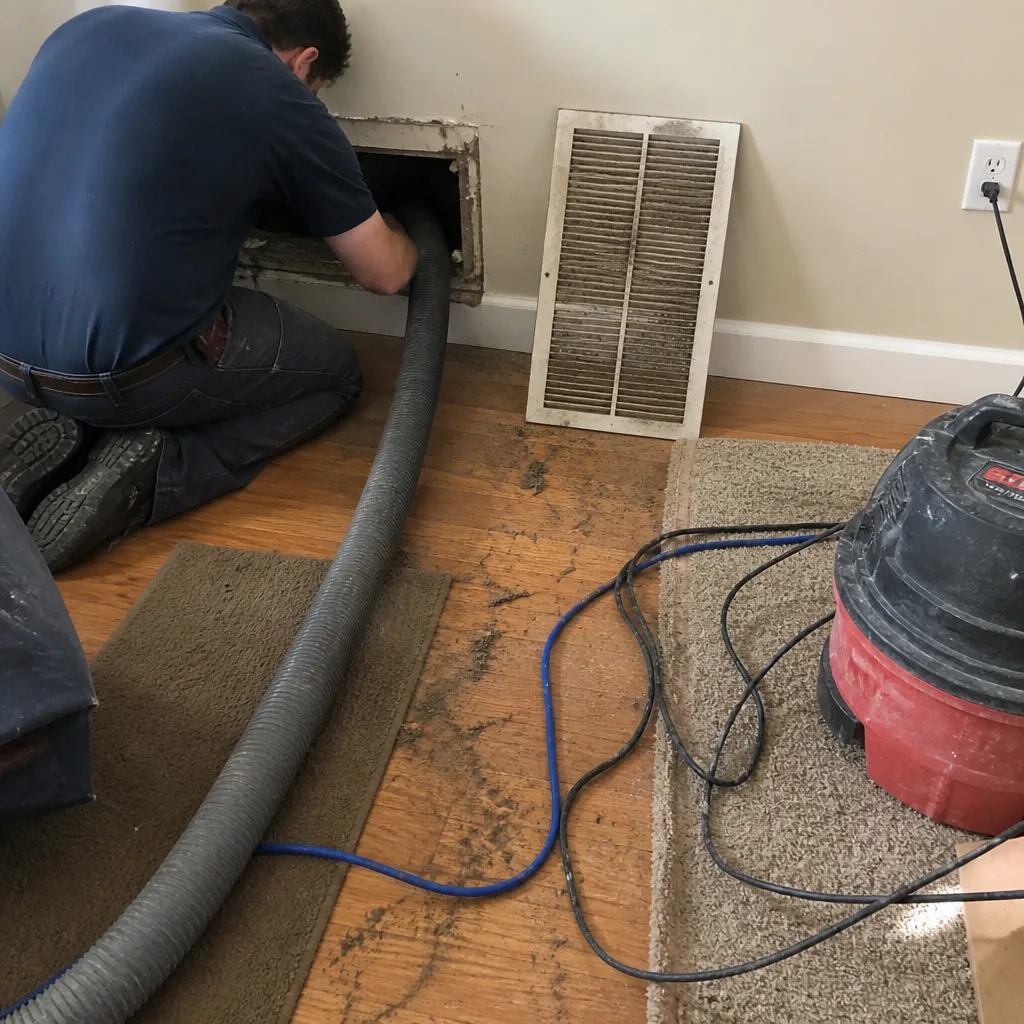
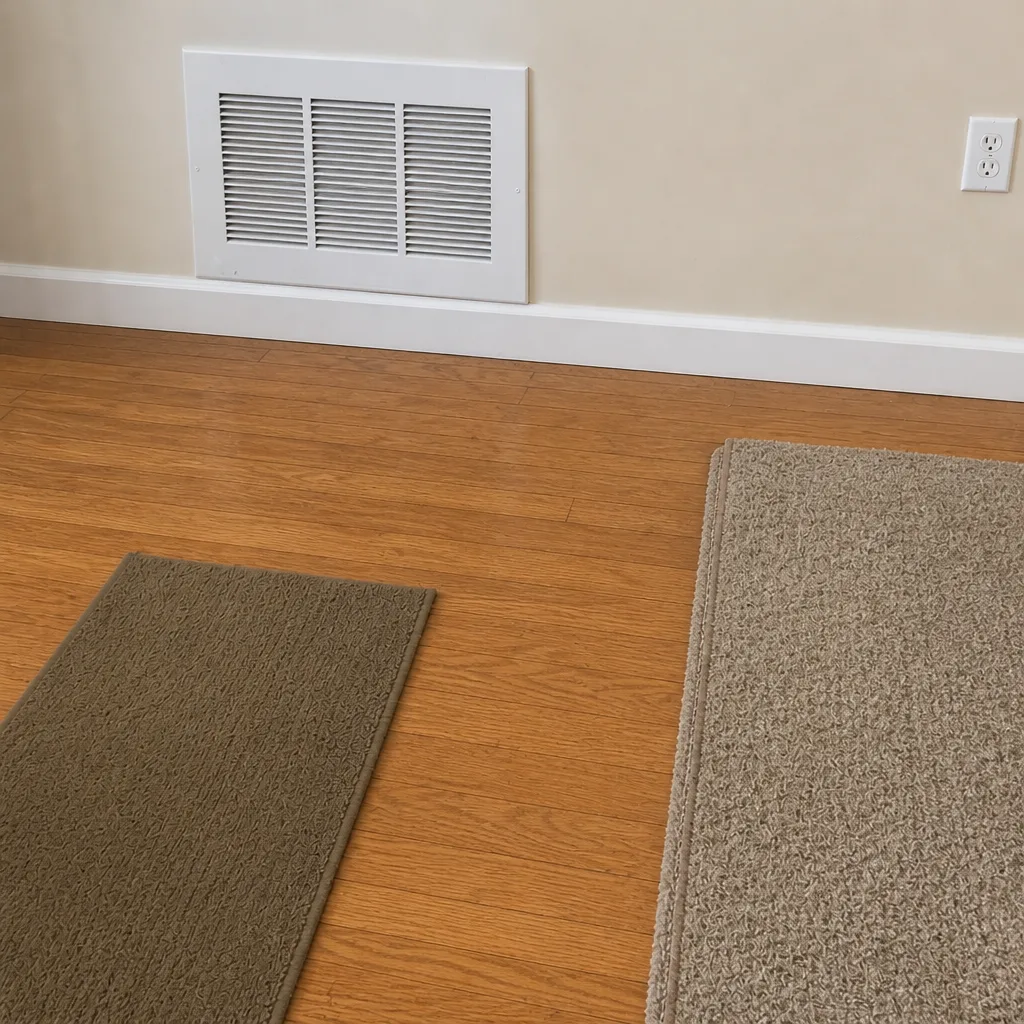
Whole-system duct and dryer vent check with before-and-after photos - you see exactly what came out of your vents
That "$99 whole-house special" is a bait ad - the real number appears once they are in your hallway, or the "clean" is a shop-vac at the register. We photograph the inside of your ducts before and after instead.
Air Duct Cleaning Cost Breakdown: The Longmont Homeowner’s Reference for 2026
A $299 whole-house duct cleaning quote in Longmont in 2026 is one of three things: a loss-leader designed to get a technician through your door so the real invoice can grow, a job run with equipment that can’t actually remove what’s in your ducts, or both. That’s not cynicism. It’s how the trade’s pricing structure works, and understanding it is the difference between a fair bid and a bait price. What you’ll learn here: the real cost drivers, honest 2026 ranges for Longmont homes, which upsells hold up and which don’t, and how to compare two quotes that look identical but cover very different work.
Quick Answer
Air duct cleaning in Longmont in 2026 typically runs roughly $350 to $500 for a smaller home of about 1,000 to 1,500 square feet, $450 to $700 for a mid-size home of 1,500 to 2,500 square feet, and $650 to $1,000 or more for larger homes of 2,500 to 3,500 square feet, with everything priced per system as a whole. The final number depends on square footage, how many duct runs you have, whether returns are included, the duct material, and access difficulty. No legitimate contractor quotes a per-vent price over the phone; the written estimate after an on-site look sets the real cost.
Styles & brands we work with
- Whole-home duct cleaning
- Dryer vent cleaning
- Camera inspection
- Sanitizing & deodorizing
Table of Contents
- What Actually Drives the Cost of Duct Cleaning
- 2026 Price Ranges for Longmont Homes
- Upsells to Scrutinize: Antimicrobials, Fogging, and Filter Markups
- Why Equipment Quality Shows Up in the Quote
- How to Compare Two Quotes That Look the Same
- How a Legitimate Duct Cleaning Job Actually Goes
- When Repair Changes the Math
- Dryer Vent Cleaning: The Separate Line Item
What Actually Drives the Cost of Duct Cleaning
Legitimate quotes vary for reasons that are all visible and measurable, which is exactly why a flat per-vent price tells you almost nothing. Here’s the short version: bigger homes cost more, complicated systems cost more, and easy-access sheet metal costs less than aging flex or fiberboard. The rest is detail.
Square footage and the number of duct runs are the two biggest factors. A house with eight supply registers and a single return moves a lot less air than one with sixteen registers and three returns, and the work scales with both. Return systems are the piece homeowners most often get blindsided by: some quotes quietly cover supply runs only, then the technician points out the returns aren’t included.
System age matters because older ductwork in Longmont’s housing stock tends to have more disconnection points, more settled dust, and more of the flexible duct runs that were common in additions and remodels. Duct material type changes the time on site too:
- Sheet metal: the most cooperative material for brush contact, and usually the most straightforward to clean.
- Flex duct: harder to agitate thoroughly because the liner is delicate and turns are tight; slow and careful work.
- Fiberboard (duct board): the most demanding of the three. Its interior surface is friable, so aggressive brushing can damage it. This is the material that most separates an experienced technician from a quick one.
Access difficulty rounds it out. A basement or crawlspace start point with clean runs of duct is fast to work with. Ducts boxed into soffits, run through finished ceilings, or packed tight against joists in a crowded mechanical room take longer, and that time is real.
2026 Price Ranges for Longmont Homes
These ranges are typical estimates for the Longmont market in 2026, broken out by home size and scope. Treat them as a sanity check on any quote you receive, not as a firm price. The written estimate from the contractor who has actually looked at your system sets the final cost, and it should match what you were told on the phone before anyone started.
| Home Size | Typical Estimated Range | What’s Normally Included |
|---|---|---|
| 1,000 – 1,500 sq ft | $350 – $500 | All supply runs, main trunk line, one or two returns, standard access, before-and-after photos |
| 1,500 – 2,500 sq ft | $450 – $700 | Full supply system, trunk, all returns, register covers, blower compartment face cleaned, photos |
| 2,500 – 3,500 sq ft | $650 – $1,000+ | Full system including multiple returns and zones, higher run count, more access time, photos |
| Complicated access or fiberboard | Adds to the range above | Extended time on site, careful handling of friable duct board, sometimes additional equipment |
The number that surprises a lot of Longmont homeowners isn’t the base price, it’s the return count. Two-story homes off the main corridors in neighborhoods like Prospect or Meadowview often carry three or more return trunks, and returning those properly is a real chunk of labor. Ask specifically whether returns are covered before you compare anything else.
If you have an older home with original ductwork, the honest cost question often shifts from “how much to clean” to “how much to clean and repair.” Air duct repair is where the number can climb, and it’s worth asking a contractor whether they can actually do the work or only flag it. We repair what we find, which usually saves a second contractor visit. For a fuller explanation of the process itself, our air duct cleaning page breaks down how a complete contact-and-capture job covers the full system.
Two things a fair quote will always include, no matter which tier you’re in: a whole-system price agreed before work starts, and photos of your own ducts before and after. Those two items are the answer to the industry’s bait-and-switch reputation, and a contractor who treats them as optional is telling you something.
Upsells to Scrutinize: Antimicrobials, Fogging, and Filter Markups
Legitimate duct cleaning removals come from mechanical work: brush contact dislodges debris, high-powered HEPA extraction captures it. Anything applied on top of that is a separate decision, and some of it is genuinely useful while some of it is a revenue line. Knowing which is which protects your invoice.
Antimicrobial treatments and “sanitizing fogging”
Fogging a duct system with a chemical mist sounds thorough, and it photographs well, but if the ducts are still dirty the fog lands on dust that’s still sitting there. Cleaning comes first; any treatment is only ever relevant on a genuinely clean interior. Legitimate cases for treatment do exist: a system that’s had moisture intrusion, an abandoned rodent problem that’s been cleared out, or a documented microbial issue. In those cases a treatment is a reasonable conversation, not a hard upsell.
What’s not reasonable is the script where a technician runs the cleaning and then tells you, with the ducts already open, that your system is “full of bacteria” and needs a fogging treatment you hadn’t agreed to. Ask up front: what does the base price cover, and does the price change after the work has started? The answer should be no.
Filter replacement markups
Changing a filter is worth doing, and a basic pleated filter at a fair price is fine. A filter sold at a heavy markup and installed while the technician is already there isn’t a service upgrade; it’s convenience pricing. Worth doing, worth understanding, but the honest version is that you can also buy the filter yourself and change it on your own schedule.
The legitimate upgrade path isn’t in the cleaning scope at all. It’s filtration, and we’re authorized to supply and install Honeywell and Aprilaire products, so a homeowner can move directly from clean ducts to better filtration in the same visit instead of booking a separate appointment later. That’s a real decision about your indoor air system, not a fogging pitch.
- Ask about: documented moisture or mold indicators, rodent history, heavy renovation dust, and whether a filter upgrade to a higher-MERV pleated filter makes sense for your system.
- Be skeptical of: blanket claims that every duct system needs chemical treatment, fogging offered as a default, and any price change introduced after cleaning has started.
Why Equipment Quality Shows Up in the Quote
Two companies can arrive at your Longmont home, quote similar-looking work, and still be doing fundamentally different jobs based purely on the equipment in the driveway. That’s not a minor distinction; it’s the whole reason some quotes are lower than others.
The standard most of the industry still uses: a rolling vacuum with moderate suction, some flexible hoses, maybe a rotating brush attached to a drill. It can make a duct look cleaner from the register. It can also leave a fine layer of debris distributed through the system rather than removed, because nothing captures the dislodged dust with any force.
Contractor-grade equipment operates differently. Rotobrush brush-agitation systems work in conjunction with a negative-pressure extraction machine; the brush physically breaks debris off the duct walls and the extraction captures it before it resettles. Nikro HEPA vacuum systems handle that extraction with the filtration rating needed to actually capture fine particulate instead of blowing it back into the room. Paired, this is the contact-and-capture method: contact with the wall surface, capture of everything released. When a quote covers a system with Abatement Technologies air-filtration equipment on site, that signals capability beyond routine dust work. That equipment class is what’s used for contamination scenarios: mold indicators, renovation fallout, and post-remediation clearance cleaning where a household wants verified clean air afterward.
The cost connection is simple. A contractor running this class of equipment has real operating costs: filter replacement on HEPA units, machine maintenance, brush and tool wear, and the vehicle capacity to transport it. A contractor with a portable unit and a shop-vac has almost none of that. A $200 gap between two quotes is often exactly this difference, and it is not a discount. It’s a different scope of work. Brands like Rotobrush, Nikro, and Abatement Technologies are the equipment names worth asking about directly, because the answer tells you which kind of visit you’re getting before a single register comes off.
How to Compare Two Quotes That Look the Same
Two written quotes can arrive with nearly identical totals and cover half of what the other covers. The work is in reading them, and the fastest way to expose the difference is to ask the same five questions of both contractors before anyone schedules a visit.
- Are returns included, or is this supply runs only? If the answer is vague, the scope likely doesn’t include them. Returns are a substantial part of the system and should be priced explicitly.
- What’s the equipment being used? Ask for the machine class or brand. A contractor who names it (Rotobrush for agitation, Nikro or Abatement Technologies for extraction and filtration) is giving you a verifiable answer. A contractor who says “professional equipment” isn’t.
- Do I get before-and-after photos of my own ducts? This should be standard. It’s also the single best way to know the work was actually done, and any contractor confident in their output expects to provide it.
- Is the price fixed, or will it change once work starts? The answer should be: one flat price per system, agreed in writing before work begins, no per-vent surprise.
- What happens if you find damage or disconnection? A contractor who can repair on the spot has a different relationship to that answer than one who can only report it and hand you another contractor’s name.
Ask a sixth question too, and this one is often the most revealing: is the price quoted for the whole system or per vent? A per-vent structure makes comparison shopping feel easy when it isn’t, because the per-vent number at the low end often doesn’t cover trunk lines, returns, or the main plenum, and those get added once the technician is standing in your mechanical room. A whole-system range looks bigger on the phone and turns out to be the same money or less once the real scope is counted. If two quotes are close on paper and one includes returns, photos, and named equipment, the price gap you’re seeing is likely scope, not savings.
For a broader look at the parent service and how we structure a visit, see duct cleaning in Longmont. The rest of this guide walks through what an actual job looks like, which is usually where the answer to “is this quote fair” becomes obvious.
How a Legitimate Duct Cleaning Job Actually Goes
A proper visit is a sequence, not a single burst of suction. Understanding the sequence helps you evaluate the technician in front of you, because every step either happens or it doesn’t. Here’s what a complete contact-and-capture job involves, in order, for a typical Longmont home.
- Walkthrough and system map. The technician finds all supply registers, all returns, the furnace or air handler, and the main trunk. This is where the scope actually gets defined, and it’s the moment to ask what’s covered.
- Register covers off and set aside. Every supply and return cover comes off and gets washed, not just pulled and dropped on the floor.
- Access points cut or opened. Duct systems usually need small access openings at the trunk and at trouble runs. A good technician creates them cleanly and can seal them afterward.
- Negative pressure established. The HEPA extraction system is connected and running before brushing starts, so dislodged dust has somewhere to go besides back into the room.
- Brush agitation, run by run. Rotobrush brush heads agitate the duct wall from the register inward toward the trunk, working one run at a time. This step is where duct material matters: fiberboard in particular needs careful technique, and flex duct needs brush heads sized to the liner.
- Trunk line and blower compartment. The trunk is where the bulk of the debris accumulates. The blower cabinet access panel gets opened and cleaned, because that’s where return air first enters the equipment.
- Register covers re-installed. Washed and returned, not left on the floor.
- Before-and-after documentation. Photos of your own system from the same vantage point before cleaning and after. This is your proof, and it takes about a minute to review.
The whole-system scope is what makes one visit sufficient. If a technician is only running a single run clean because “the system needs evaluation before the rest,” that’s a signal. Longmont homes vary quite a bit in layout, and older crawlspace systems in particular need a technician who will follow the ductwork rather than assume it. That’s also why an on-site estimate is worth the time: no two systems in this city look exactly alike once the access panels come off.
When Repair Changes the Math
Duct cleaning and duct repair are not the same service, and the cost conversation shifts when a technician opens a system and finds a problem. The common findings in older Longmont ductwork: disconnected joints that let attic or crawlspace air into the system, crushed or kinked flex runs that were installed too tightly around a corner, and sections where the duct tape or mastic has failed completely.
Those are worth caring about for a reason beyond air quality: a duct run that’s leaking into an unconditioned crawlspace is fighting the rest of the system every time the furnace runs. A cleaning that removes years of dust from a leaking duct system is doing half the job, because new dust arrives through the same gaps within a season.
When repair is necessary, the cost conversation is straightforward. Most repairs fall into categories:
- Reseal and reconnect: failed joints, pulled-apart connections, and gaps at trunk takeoffs. Usually the least expensive category.
- Replace a run: a crushed or kinked flex run that can’t be repaired. Cost depends on length, routing, and access.
- Fiberboard or trunk repair: more involved, and worth having evaluated with the system visible rather than over the phone.
The advantage of a single-company visit here is real: we diagnose, clean, repair, and upgrade the full duct system, so a homeowner doesn’t get a cleaning report and then a second contractor’s estimate for the repair. If we find a disconnection during cleaning, we can address it before the visit ends. That’s the difference between a cleaning and a full-system job.
Related scope worth confirming on any quote: dryer vent cleaning is a separate service from air duct cleaning, and the two are often quoted separately for good reason. The dryer vent cleaning page covers the different equipment and the access issues specific to that job.
Dryer Vent Cleaning: The Separate Line Item
Every so often a homeowner calls for air duct cleaning and assumes the dryer vent is included. It isn’t, and it shouldn’t be: dryer vent cleaning uses a different brush system, different extraction, and different access (from the appliance side and the exterior termination), and it addresses a different kind of fire risk than the air ducts. Pricing it separately is honest, not a sales tactic.
The dryer vent side of the business looks different from the air duct side in one notable way: lint accumulates in a way that can compress and restrict airflow substantially, and restricted airflow through a dryer vent alters how efficiently a dryer runs and, beyond a certain point, is a documented fire risk. That makes a dryer vent’s condition worth verifying rather than assuming. If your dryer is taking noticeably longer than it used to, or you haven’t had the vent checked, it’s a separate conversation worth having.
Longmont’s housing includes a lot of homes where the dryer vent runs through a finished wall cavity out to an exterior termination point, and routing length there matters. Longer runs accumulate more lint. A technician cleaning the same visit as an air duct job can look at both, and our full-service approach means one phone call handles both. Dryer vent cleaning is one of the three services we run as a matter of routine.
Common Mistakes to Avoid
- Choosing the lowest per-vent price. Per-vent pricing compares nothing, because it usually excludes returns and trunk and because scope can be quietly trimmed. Compare whole-system flat prices instead.
- Paying for a cleaning before you see the quote in writing. Get the flat price and the scope before the appointment. If the number moves after the technician arrives, that’s a bait price.
- Assuming returns are included. Ask directly. In two-story Longmont homes with multiple return trunks, this is often the biggest chunk of labor and the piece most often omitted from a teaser quote.
- Accepting a fogging treatment as routine maintenance. Fogging on top of a cleaning should be justified by something specific in your system: moisture, a cleared rodent issue, or a documented microbial finding. Blanket treatment isn’t a routine add-on.
- Buying the cheapest filter upgrade instead of evaluating the system. A high-MERV filter that’s too restrictive for your air handler is a real cost, not a savings. Have the filter question evaluated, not just priced.
- Skipping the before-and-after photos. No photos means no proof the work was done well. Insist on them; a contractor running proper equipment expects to provide them.
- Cleaning without checking the system for damage. Cleaning around a disconnected or crushed run wastes the work and leaves the problem in place. Have the system inspected fully, and repair what’s found.
See the difference
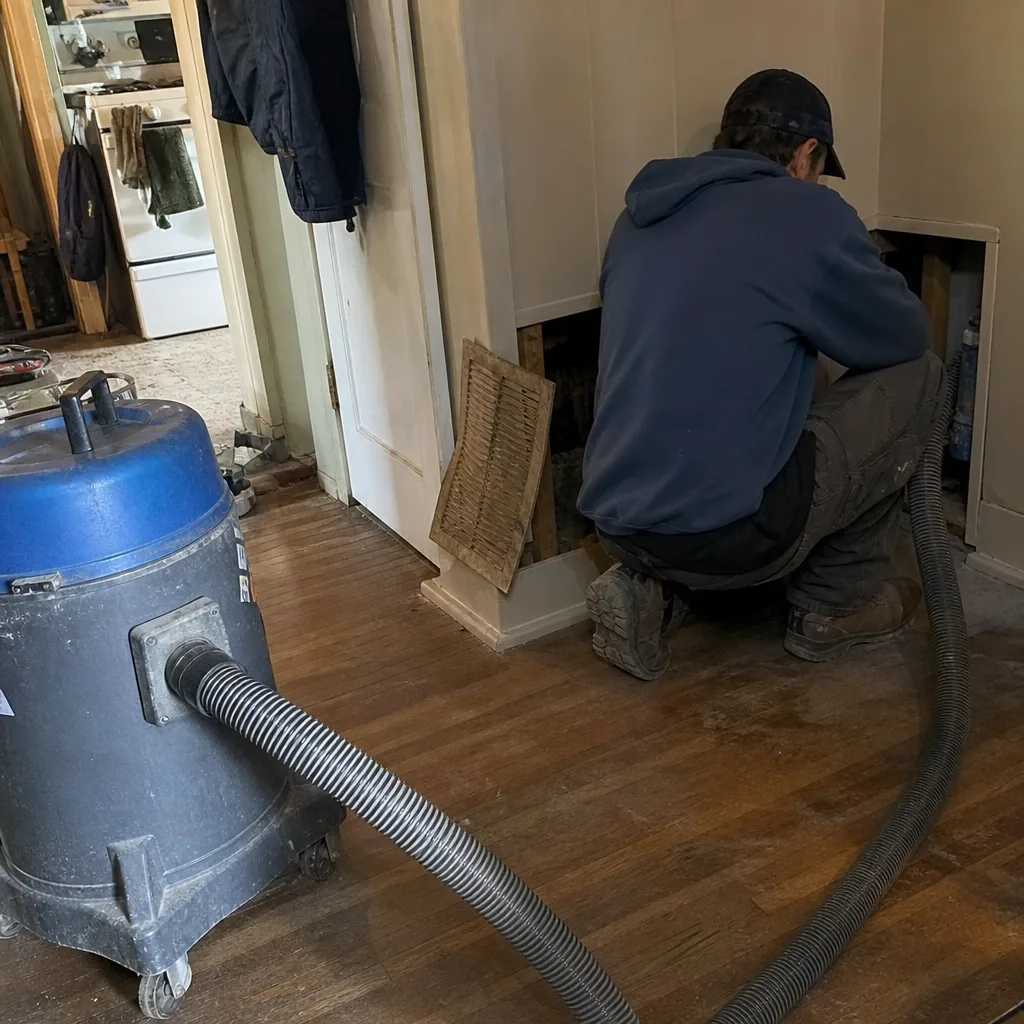 Before
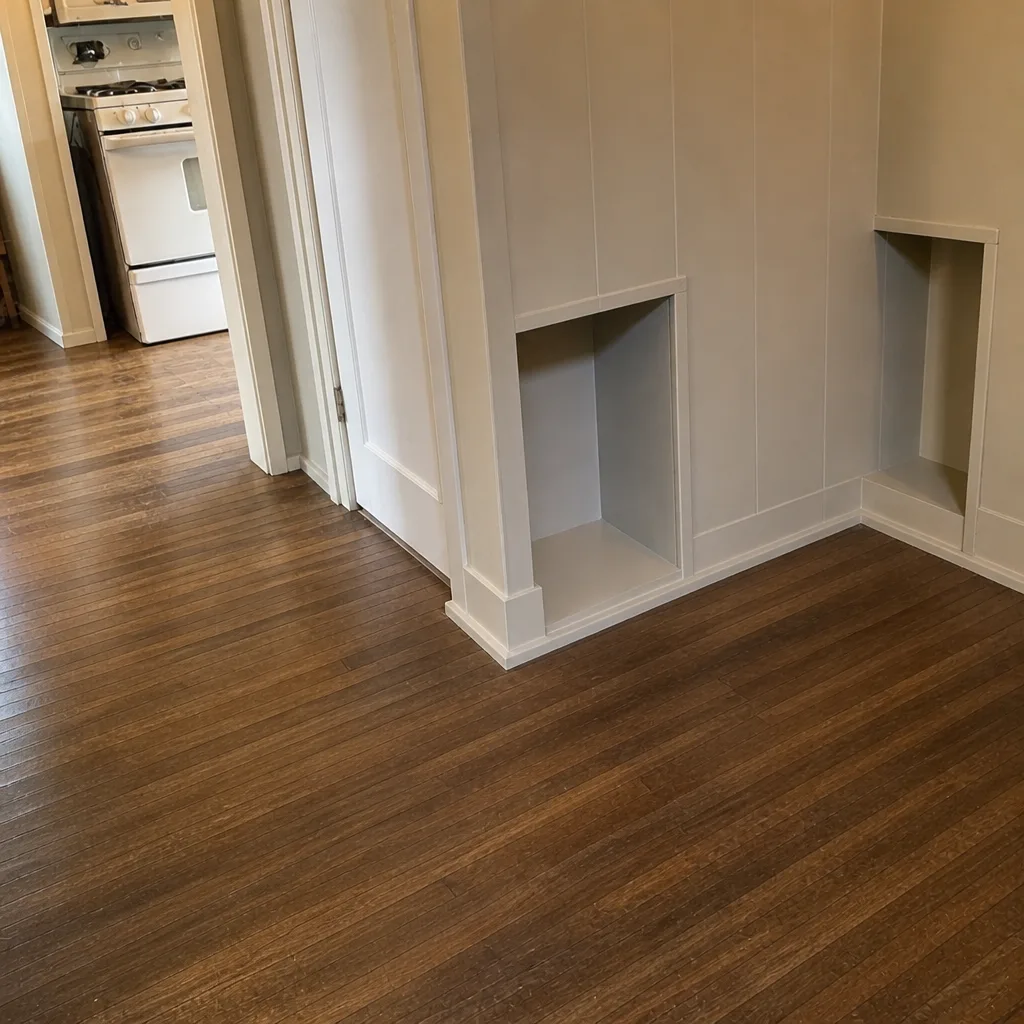 After
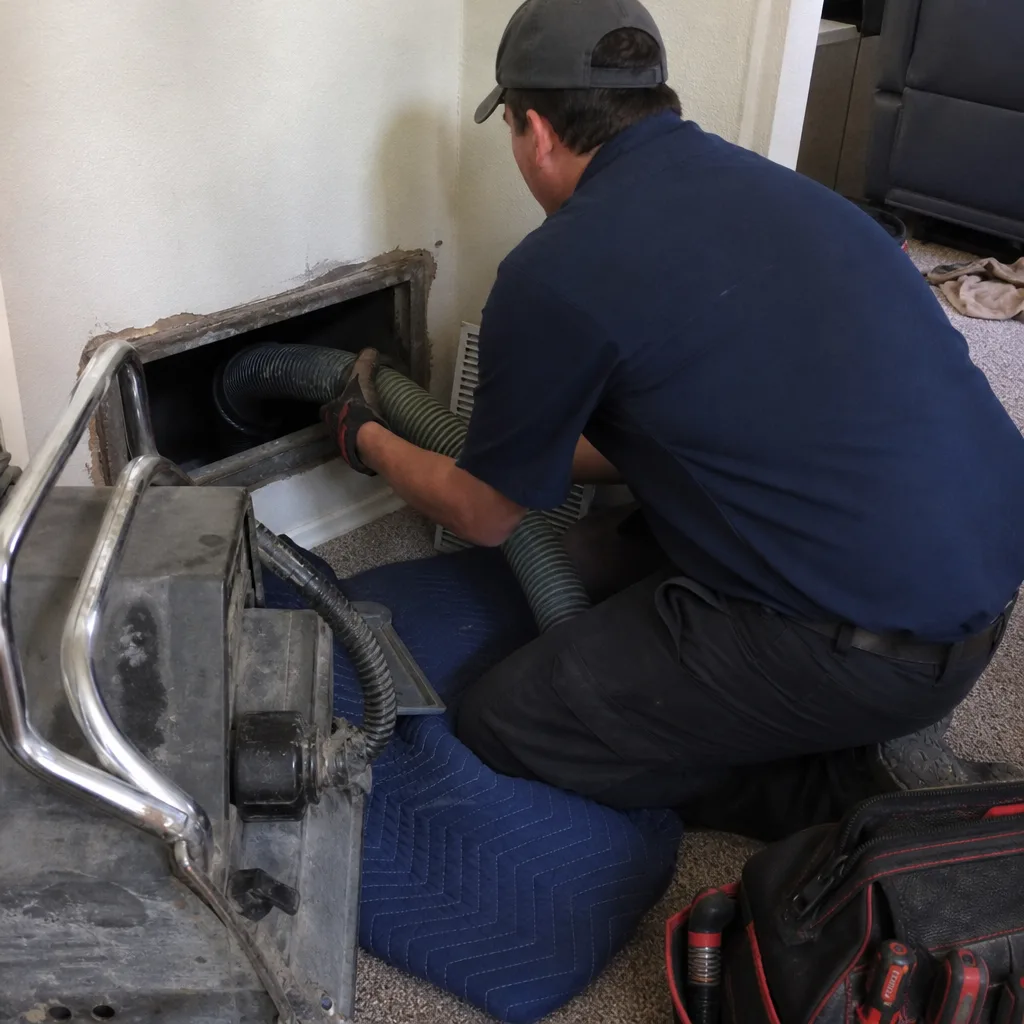 Before
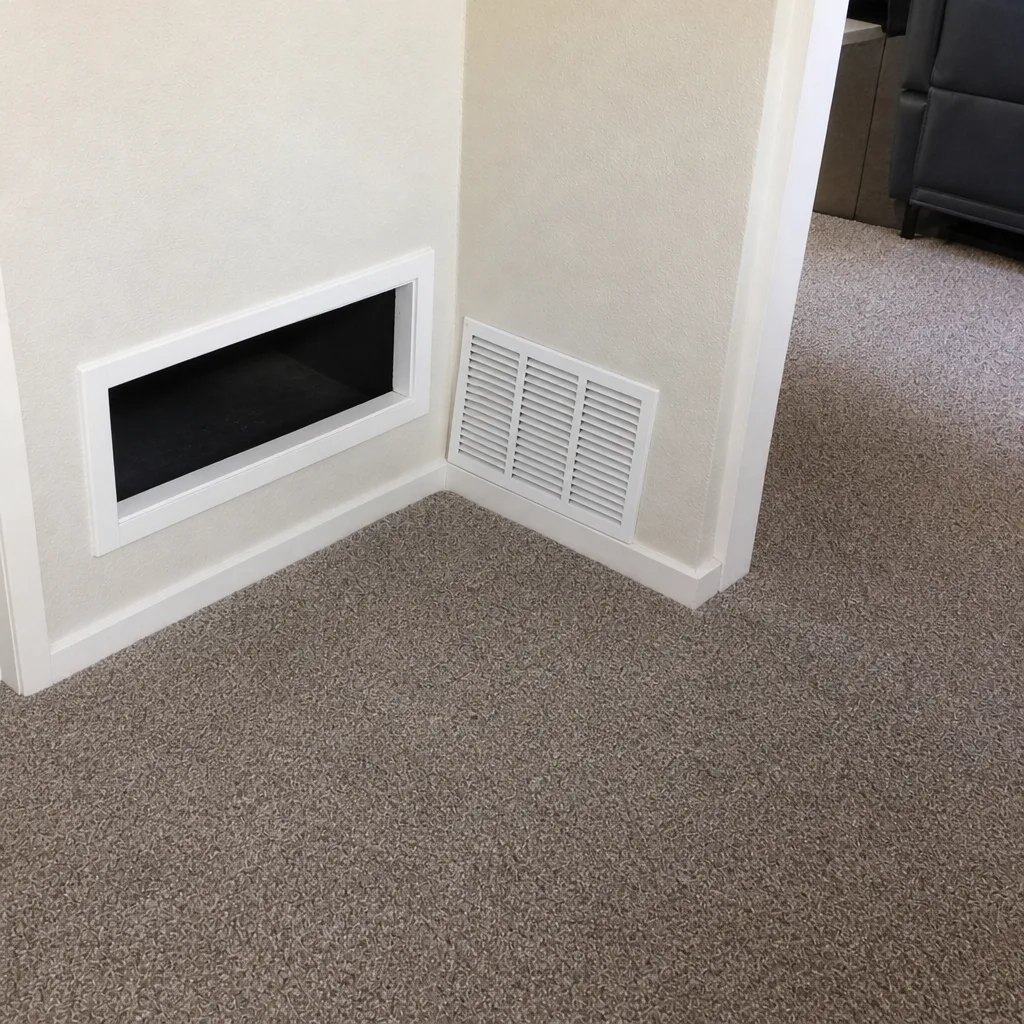 After
 Before
 After
When to Call a Professional
Not every home needs duct cleaning on a schedule, but a handful of signals make it worth having someone evaluate your system. If you’ve noticed increased allergy symptoms indoors, persistent musty odors when the furnace or air handler runs, visibly uneven airflow between rooms, or a decade or more since the last cleaning, those are the common triggers. Visible dust blowing from registers when the system starts is another. So is recent renovation work with drywall dust, and any household with moisture history or prior rodent activity.
The other reason to call is simpler: you have a quote in hand and you don’t trust the number. Duct Cleaning Longmont offers free estimates in Longmont; we’ll walk the system, give you a whole-system flat price in writing, and explain what’s included before anything gets scheduled. Call (866) 361-9658. We answer 24/7. Fast dispatch from 7am to 7pm, Sunday through Friday.
Frequently Asked Questions
Air duct cleaning in Longmont in 2026 typically runs roughly $350 to $500 for a smaller home, $450 to $700 for a mid-size home, and $650 to $1,000 or more for larger homes with complex systems. The number depends on square footage, run count, whether returns are included, duct material, and access. Call (866) 361-9658 for an exact quote; estimates are free.
Because they’re pricing a different job. The cheap quote often covers supply runs only, excludes trunk and returns, uses portable equipment with no real extraction, and quotes per vent so the number looks small on the phone. A contractor running Rotobrush or Nikro equipment has higher operating costs, and that shows up in an honest quote. Call (866) 361-9658 and we’ll walk through what’s actually included.
Before-and-after photos of your own duct system, taken from the same vantage point. Any contractor running proper equipment expects to provide these and will show them at the end of the visit. If photos aren’t offered, ask. A contractor confident in their work will have them ready. To schedule a visit with photo documentation, call (866) 361-9658.
Most homes land somewhere around every three to five years under normal conditions, though that shifts considerably with pets, renovation work, smoking in the home, or a system that’s had moisture issues. A ducted system with recent renovation dust or a previously detected mold indicator should be evaluated sooner. If you’re unsure, call (866) 361-9658; a free estimate is a reasonable way to get an honest assessment.
Only in specific cases. Fogging a duct system that hasn’t first been mechanically cleaned just coats debris. Where there’s been documented moisture intrusion, cleared rodent activity, or a biological finding, a treatment is a legitimate conversation. Blanket fogging on every job is a revenue line, not a routine need. Call (866) 361-9658 to discuss whether your system actually warrants treatment.
Not meaningfully. Consumer vacuums and shop-vacs lack the suction and HEPA-level filtration to capture fine dust rather than redistribute it, and a homeowner can’t safely agitate inside duct runs without risking damage to flex liner or fiberboard. The equipment is the service. For a whole-system, flat-price evaluation, call (866) 361-9658.
The Bottom Line
The main takeaway: duct cleaning is priced per system, not per vent, and any quote that looks shockingly low is almost certainly covering a narrower scope with weaker equipment than the one next to it. In Longmont in 2026, $350 to $500 for smaller homes, $450 to $700 for mid-size, and $650 to $1,000 or more for larger or complex systems is the honest range. What to look for: a whole-system flat price in writing, returns included, before-and-after photos of your own ducts, and a contractor willing to name their equipment. Same-day service is available; the price stays flat either way. Bring a quote to us and we’ll tell you exactly what’s missing from it.
Contact Duct Cleaning Longmont for a free estimate. Call (866) 361-9658. We answer 24/7. Fast dispatch from 7am to 7pm, Sunday through Friday. One flat price per system, agreed before work starts, with before-and-after photos every time.
Written by the team at Duct Cleaning Longmont.