
Last updated November 15, 2026
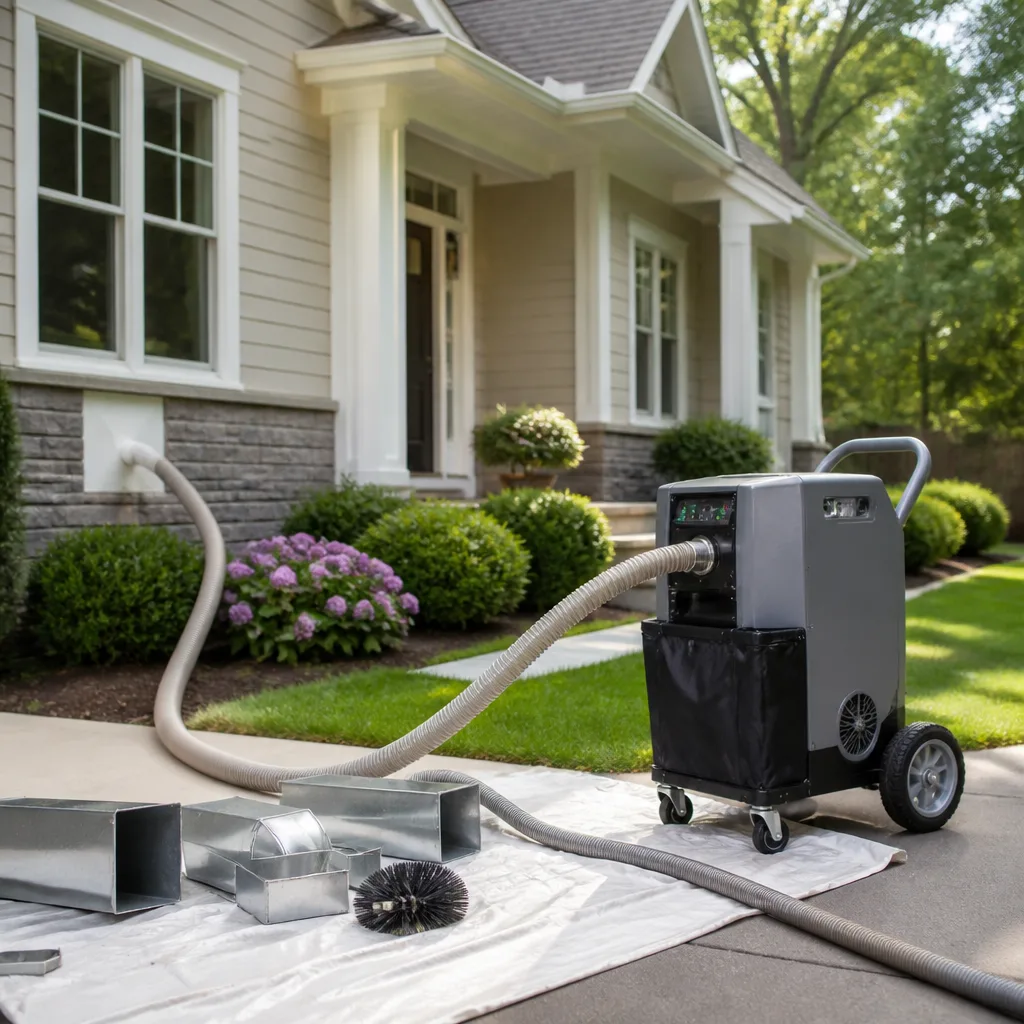 Whole-home duct cleaning
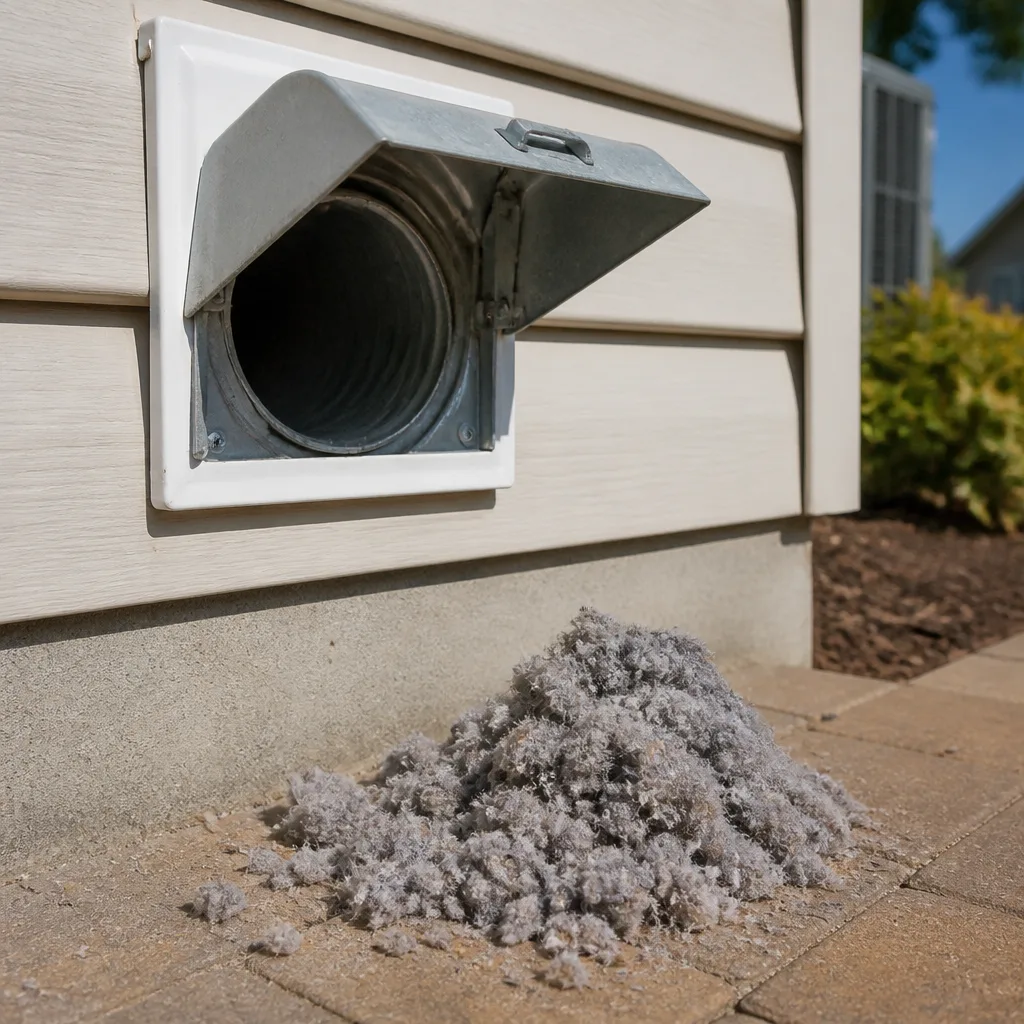 Dryer vent cleaning
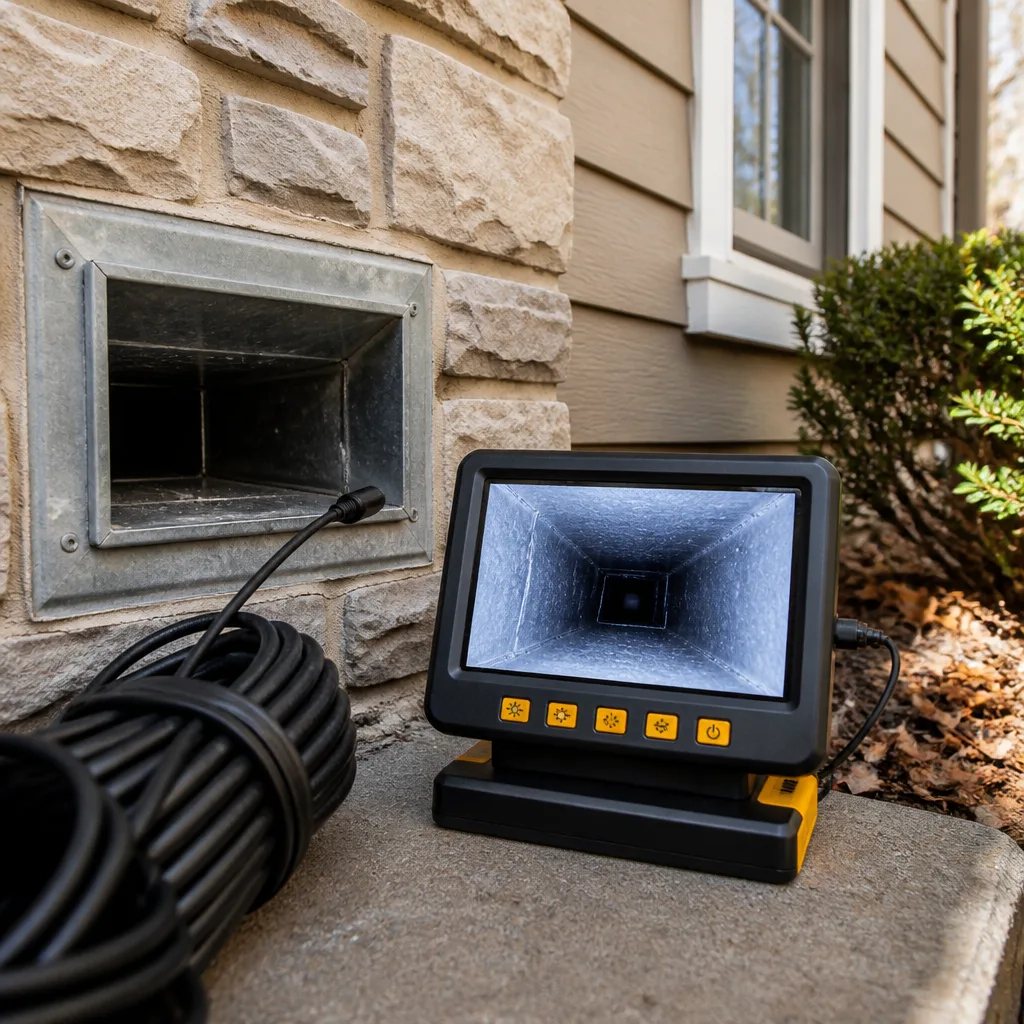 Camera inspection
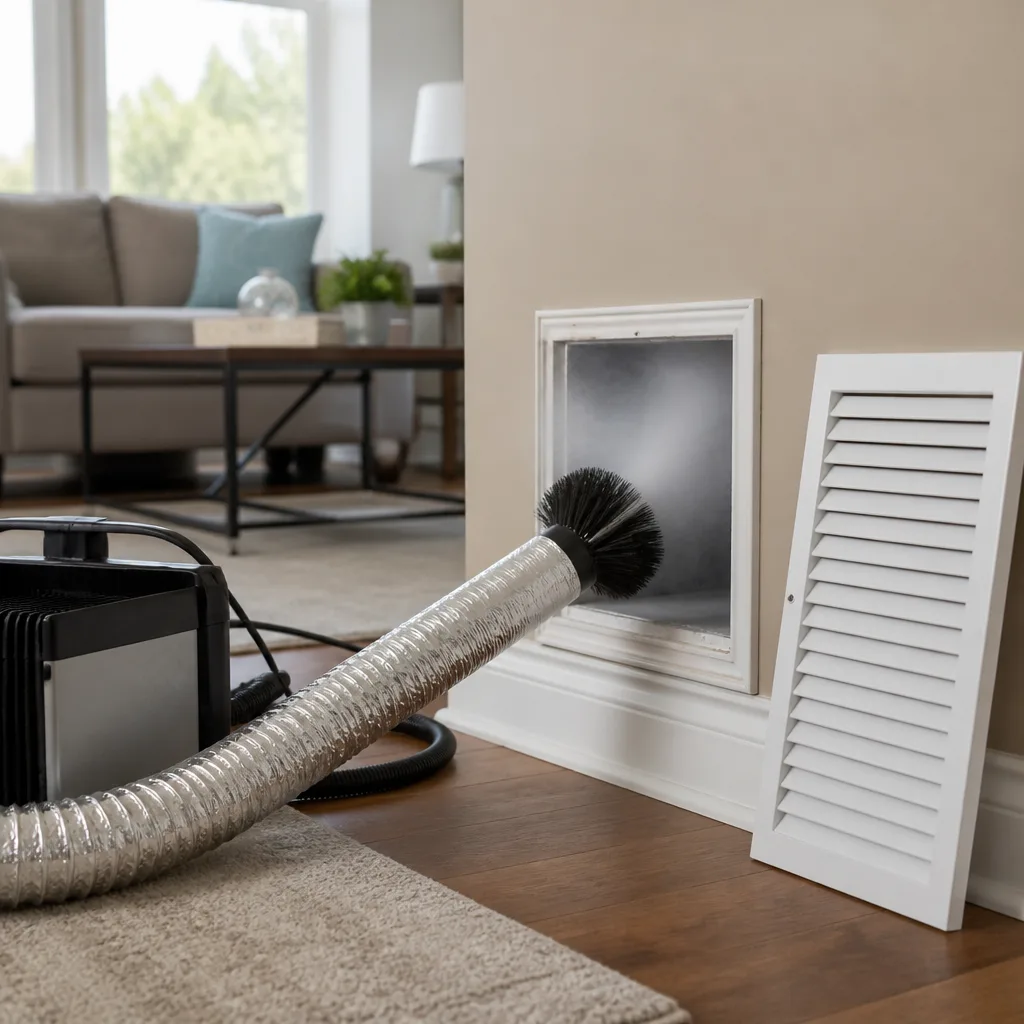 Sanitizing & deodorizing
Whole-system duct and dryer vent check with before-and-after photos - you see exactly what came out of your vents
That "$99 whole-house special" is a bait ad - the real number appears once they are in your hallway, or the "clean" is a shop-vac at the register. We photograph the inside of your ducts before and after instead.
Seasonal Air Duct Cleaning Care for Longmont: Year-Round Homeowner’s Guide
Most homeowners treat duct cleaning like an oil change: once every few years, on a fixed schedule, no matter what happened in between. In Longmont, that logic doesn’t hold. Late spring here is a three-problem season at once. Cottonwood seeds drift through neighborhoods like snow, tree and grass pollen spike, and construction crews break ground throughout the Front Range, all in the same six weeks. Your filter system can go from clean to loaded in days, not months. A static “every 3-5 years” schedule ignores what each season actually deposits into your duct system. This guide walks through the Longmont seasonal calendar, why October matters more than April, how to adjust filtration without straining your blower, and which events should override any schedule you’re on.
Quick Answer
For Longmont homes, the highest-value annual duct cleaning window is October, just before the heating season starts. That timing clears out what spring pollen, summer wildfire smoke, and fall harvest dust have built up, and it means you’re heating with clean ducts all winter instead of circulating that buildup. A spring cleaning is still useful, but it clears fresh pollen right before another load lands.
Styles & brands we work with
- Whole-home duct cleaning
- Dryer vent cleaning
- Camera inspection
- Sanitizing & deodorizing
Table of Contents
- Why Longmont’s Seasons Hit Ducts Differently
- Season-by-Season: What Each One Deposits
- Why October Beats the Spring Cleaning Impulse
- How to Adjust Filter MERV Rating Seasonally
- Post-Event Triggers That Override Any Schedule
- Using HVAC Startup as a Duct Inspection Checkpoint
- Your Full Duct System, One Visit
- When to Call a Professional
Why Longmont’s Seasons Hit Ducts Differently
Longmont sits in a bowl of Front Range geography that concentrates airborne debris in ways coastal or deep-forest cities don’t experience. The city runs along the St. Vrain River valley, with Boulder County agricultural land to the east and the foothills directly west. Wind patterns that funnel down from the mountains carry pollen, dust, and smoke into residential neighborhoods across Longmont, and once that material gets pulled into your return ducts, it doesn’t leave on its own. Your HVAC system becomes a slow-motion settling tank for whatever was in the air that season.
Three Longmont-specific factors make the seasonal pattern more intense here:
- Cottonwood season. Cottonwood trees are prevalent throughout Longmont, and their seed fluff peaks in late May and early June. The fluff is fibrous and clings to return air grilles, which means it delivers other debris along with it.
- Wildfire smoke windows. Summer wildfire smoke moving down the Front Range brings fine particulate into the air for weeks at a time. Your filter captures some of it; the rest settles in the duct system.
- Agricultural dust. Boulder County harvest activity in late summer and early fall kicks up fine dust that reaches Longmont neighborhoods on prevailing winds.
Understanding those inputs is the foundation for any cleaning decision. A rigid schedule treats every year the same. A seasonal approach treats each year for what actually happened in it.
Season-by-Season: What Each One Deposits
Each Longmont season loads your duct system with a distinct type of debris. Knowing which is which tells you what a cleaning actually needs to address.
Spring: Pollen and Cottonwood
Tree and grass pollen arrive first, usually by late March and April. Cottonwood seed fluff follows in late May and early June. Both travel deep into return systems because they’re light enough to stay airborne. The fluff is especially difficult because it acts as a binder; once it catches on a grille or a joint in the ductwork, pollen and dust pile on top of it. This is one reason our seasonal cleaning customers often tell us their spring airflow feels weaker than their winter airflow.
Summer: Wildfire Smoke and Construction Dust
Front Range wildfire smoke events bring fine particulate into homes through open windows and HVAC intakes. Construction season adds a second load. Any renovation in or near your Longmont home – drywall work, concrete cutting, roofing – sends gypsum dust and mineral fines into the air, and much of it ends up in the ducts. Summer is the season when your filter works hardest and when filter changes matter most.
Fall: Harvest Dust and First Heating Cycles
Early fall brings the agricultural dust load off Boulder County fields. When you first turn the heat on, the ductwork expands slightly, and long-settled debris gets mobilized. Homeowners often notice a dusty smell in the house the first week the furnace runs. That scent is the seasonal wake-up call, and it’s a direct signal that fall cleaning has real value.
Winter: Dry-Heat Cycling
Longmont winters are dry, and heated indoor air stays dry. Low humidity keeps particles light and mobile. Every heating cycle pushes settled dust back into the air stream, so a duct system that was tolerable in October can feel dusty by January. Winter doesn’t deposit much new debris; it relocates what’s already there.
Why October Beats the Spring Cleaning Impulse
Most Longmont homeowners feel the urge to clean ducts in spring. That instinct is understandable, but it’s working against the seasonal pattern. By April, you’ve already run your furnace through a full winter of dry-heat cycling that pushed every bit of fall debris into your living space. You’re paying to remove material your heating system has already dispersed.
October works better for three reasons:
- You clear a full season’s accumulation at once. By October, the duct system has collected spring pollen, cottonwood fibers, summer smoke particulate, and fall harvest dust. A single cleaning removes the entire year’s load. A spring cleaning only addresses the most recent deposits.
- You start heating season clean. Your furnace will run for five or six months after October. Cleaning before that season begins means you’re not circulating a full year of settled debris through every room in the house.
- You catch problems when they’re still cheap to fix. A joint that’s beginning to separate or a run of flex duct that’s sagging is easy to spot and address in October. By mid-winter, when the system is running constantly, those small failures become airflow complaints and comfort problems.
The other argument for October is practical: your HVAC technician is already going to be at the system doing startup checks and filter changes. That’s the natural moment to schedule whole-system cleaning with air duct cleaning, so you’re handling both tasks in one pass.
How to Adjust Filter MERV Rating Seasonally
MERV is the rating that measures how well a filter captures particles of different sizes. Higher MERV means finer capture. What most Longmont homeowners don’t realize is that a higher-MERV filter can be the wrong choice in certain months, not because it’s a bad filter but because the blower motor isn’t designed to pull air through it.
Here’s a practical seasonal approach for typical Longmont homes:
- Spring (pollen and cottonwood): A MERV 8 to MERV 11 filter handles most of the load. If your system was built for a thinner filter, don’t jump above MERV 11 in cottonwood season. Fibrous fluff clogs a high-MERV filter quickly and can stall airflow.
- Summer (smoke and construction dust): MERV 13 is often appropriate if your blower motor can handle the static pressure. During heavy smoke weeks, check the filter every few weeks instead of waiting for the calendar to tell you.
- Fall (harvest dust and heating startup): Step back down to MERV 8 to MERV 11. Your furnace will run continuously, and a clogged restrictive filter during fall startup puts real strain on the blower.
- Winter (dry-heat cycling): MERV 8 to MERV 11 is usually the right call. The main job is capturing circulating household dust, not fine particulate from outdoor air.
If your air handler has a variable-speed blower motor, you have more flexibility. If it’s an older single-speed motor, stay on the conservative side of the MERV range and change the filter more often instead. When we install Honeywell or Aprilaire filtration equipment, our technicians check the blower’s static pressure rating first, so the filter is matched to the motor rather than chosen for its MERV number alone.
Post-Event Triggers That Override Any Schedule
Seasonal timing is a framework, not a rulebook. Some events create duct contamination that no annual calendar can predict, and those events should trigger a cleaning regardless of when you last had one.
- Nearby structure fire. Even a fire several blocks away can push fine ash and combustion particulate into your return system. If you can smell smoke inside the house for days after the fire is out, the ducts are holding contamination. Cleaning plus filtration is the standard response.
- Renovation or remodeling. Drywall dust, mineral fines, and construction debris settle into ducts within days of a project starting. The best time is to clean after the project finishes and before you turn the system’s air handler on for continuous heating or cooling.
- Pest infestation discovery. Rodent activity in ducts, insect nesting in return grilles, or bird intrusion through a vent – any of those situations calls for cleaning plus inspection to find the entry point. Often the ducts also need repair.
- Mold or musty odor. Persistent musty smell in a house that’s not otherwise damp usually means moisture has reached the duct system. Our technicians use Abatement Technologies equipment on these jobs specifically because filtration has to be tighter than a routine cleaning requires.
- Flooding or water intrusion. Any water event that reaches a duct run should be assessed before the system turns back on.
When any of those triggers occurs, the seasonal schedule doesn’t matter. Reach out for a cleaning, and also for inspection, so you know whether repair is involved as well.
Using HVAC Startup as a Duct Inspection Checkpoint
Every Longmont home has two natural inspection checkpoints each year: the first heating startup in fall and the first cooling startup in spring. Treat both as diagnostic moments, not just button-press days.
A practical check at each startup:
- Smell test. Turn the system on and pay attention for the first ten minutes. A dusty smell that fades is normal. A persistent musty or acrid smell is worth investigating.
- Airflow check. Place your hand over a few registers. Compare to last season. Noticeably weaker airflow at the furthest registers from the air handler often points to partial blockage or a separated duct joint.
- Grille and vent inspection. Look at the return grilles and the supply registers. Visible dust accumulation, and certainly any visible pest evidence, calls for cleaning.
- Filter status. A filter that’s discolored well before its expected change interval is a sign that the system is pulling heavier-than-normal loads. That’s information, and it tells you something about the duct load too.
If either startup check turns up problems, that’s where our full-scope approach comes in. We handle three distinct services under one visit – duct cleaning in Longmont, air duct repair, and dryer vent cleaning – so an inspection finding doesn’t turn into three separate contractor calls.
Your Full Duct System, One Visit
Seasonal maintenance works best when the cleaning method is matched to what’s actually in the ductwork. That’s why we run contact-and-capture cleaning, not just a vacuum pass. Our technicians use Rotobrush brush-agitation systems to physically dislodge debris from duct walls, paired with Nikro HEPA-vacuum extraction to capture it at the source. Rotobrush and Nikro are contractor-grade systems; they’re the same category of equipment used in professional duct service, and they perform differently from consumer gear.
For Longmont homeowners, that method matters because so much of what enters the system clings. Cottonwood fluff doesn’t fly through a duct run – it mats against the walls. Smoke residue binds to metal. Construction dust adheres to flex duct liners. Simply pulling air through the system won’t remove it. Brush agitation loosens it, HEPA extraction captures it, and the ducts come out clean instead of having debris redistributed down the line.
Once the system is clean, we can help homeowners upgrade filtration. We supply and install Honeywell and Aprilaire filtration and IAQ products, so the same visit that cleans the ducts can also improve the filter setup. If we find duct damage during cleaning – a separated joint, crushed flex run, or a hole from pest activity – we repair what we find rather than flagging it and moving on.
Seasonal cleaning in Longmont doesn’t have to mean separate calls for cleaning, repair, and filtration. See our city page for Longmont to see how we schedule full-system service.
See the difference
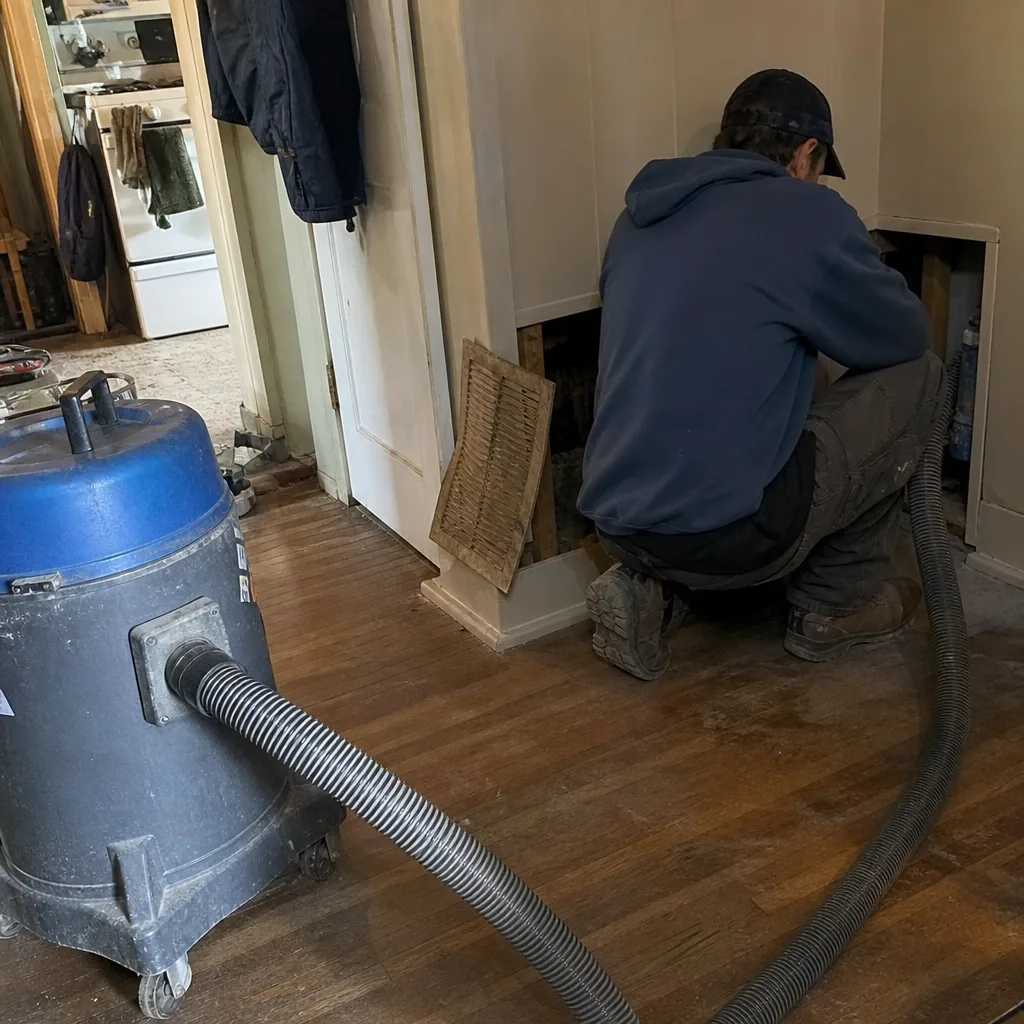 Before
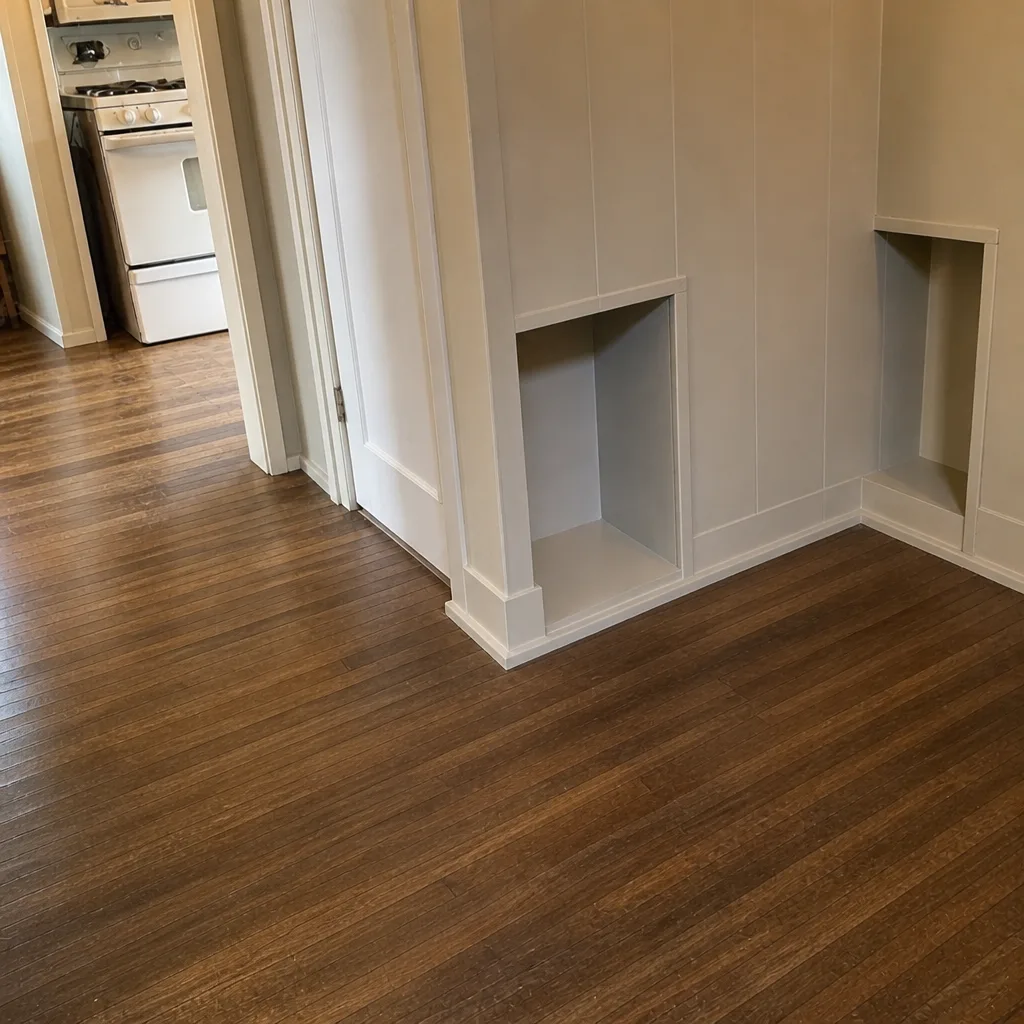 After
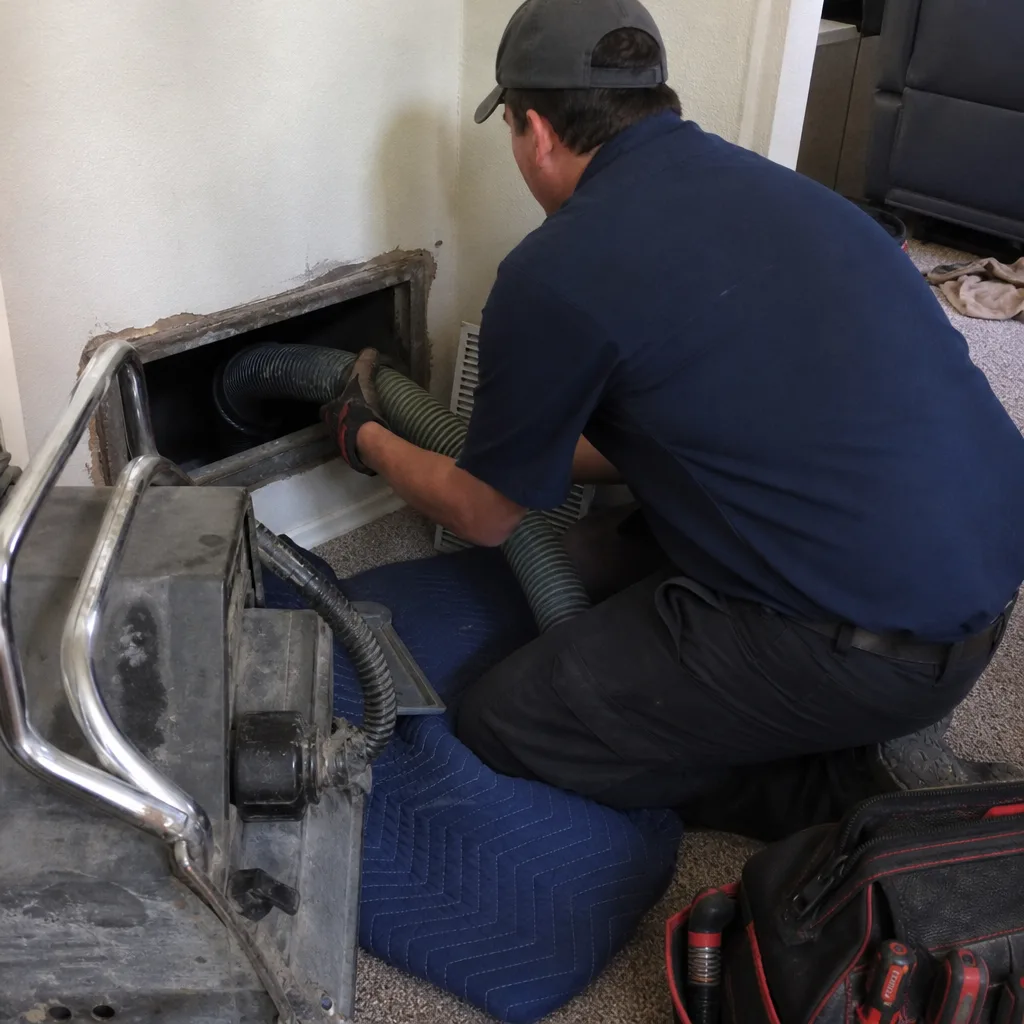 Before
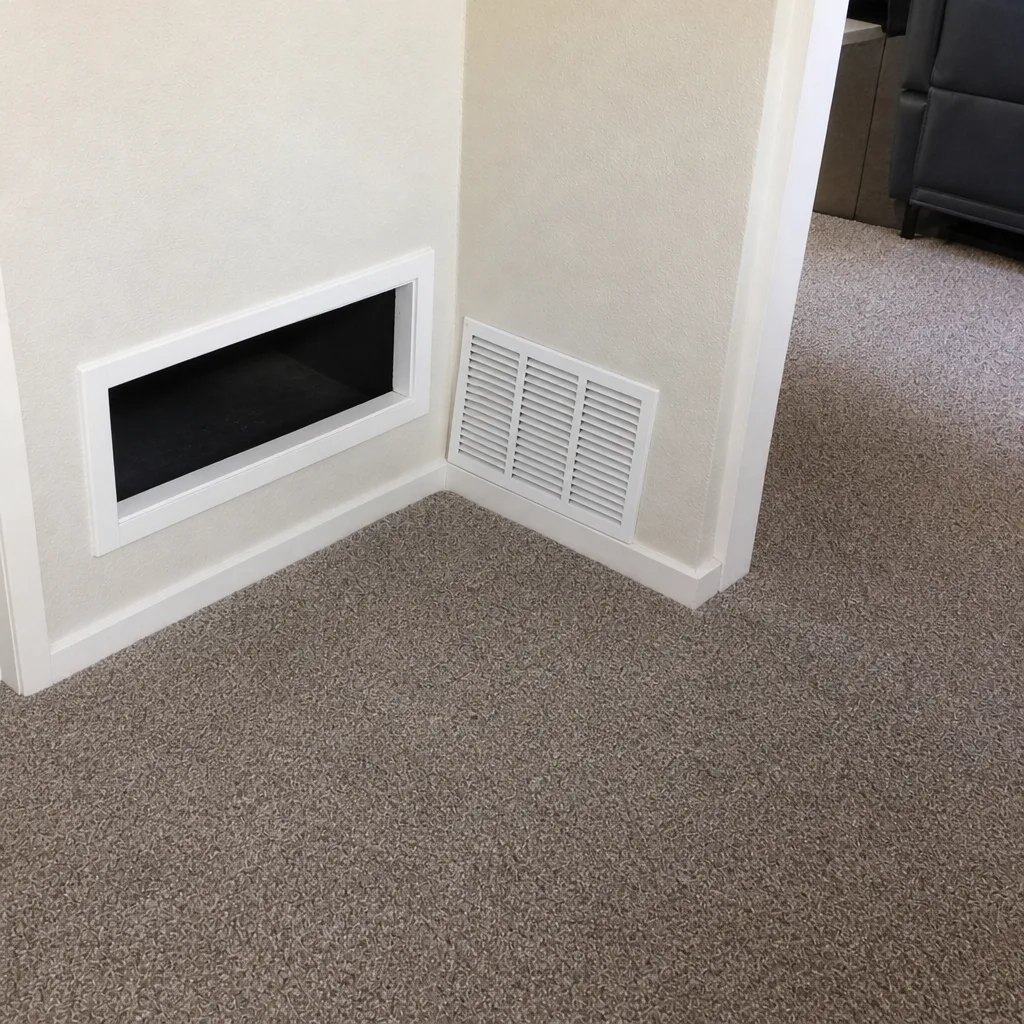 After
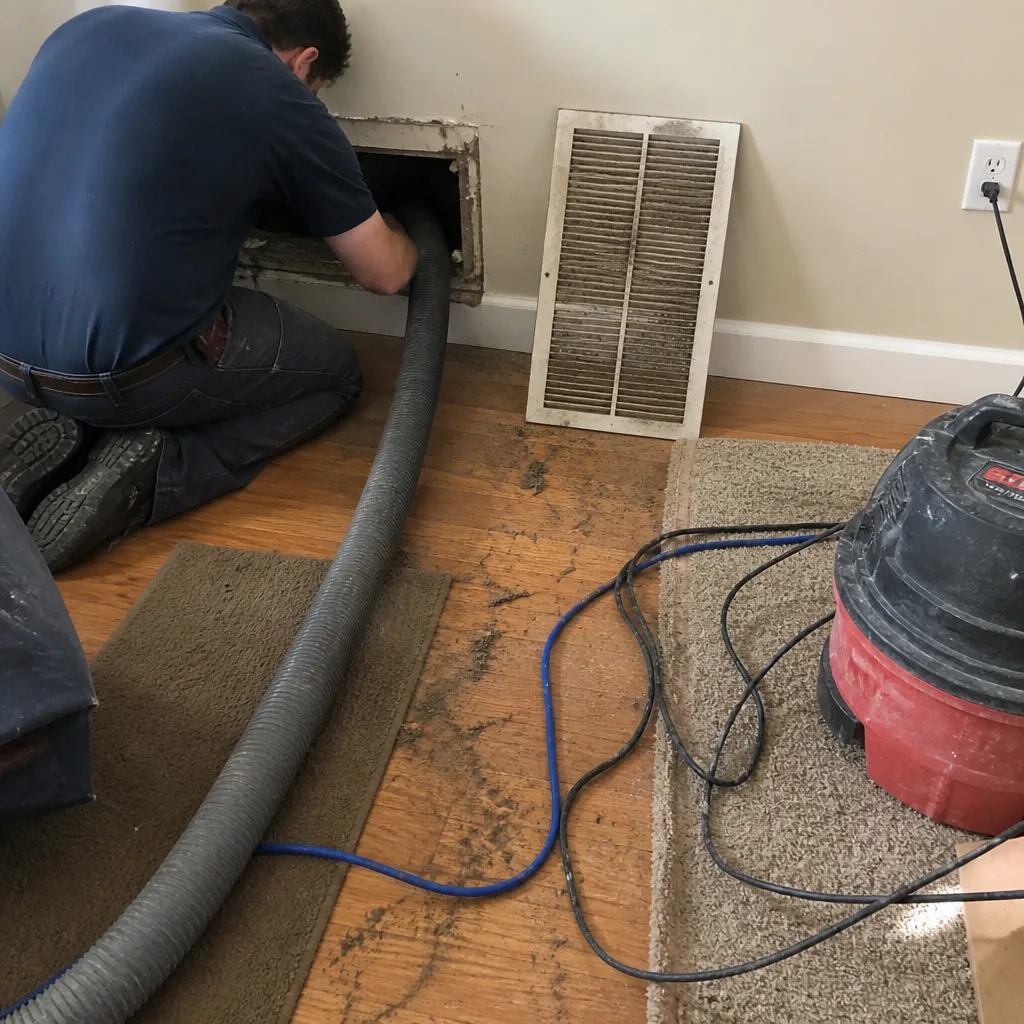 Before
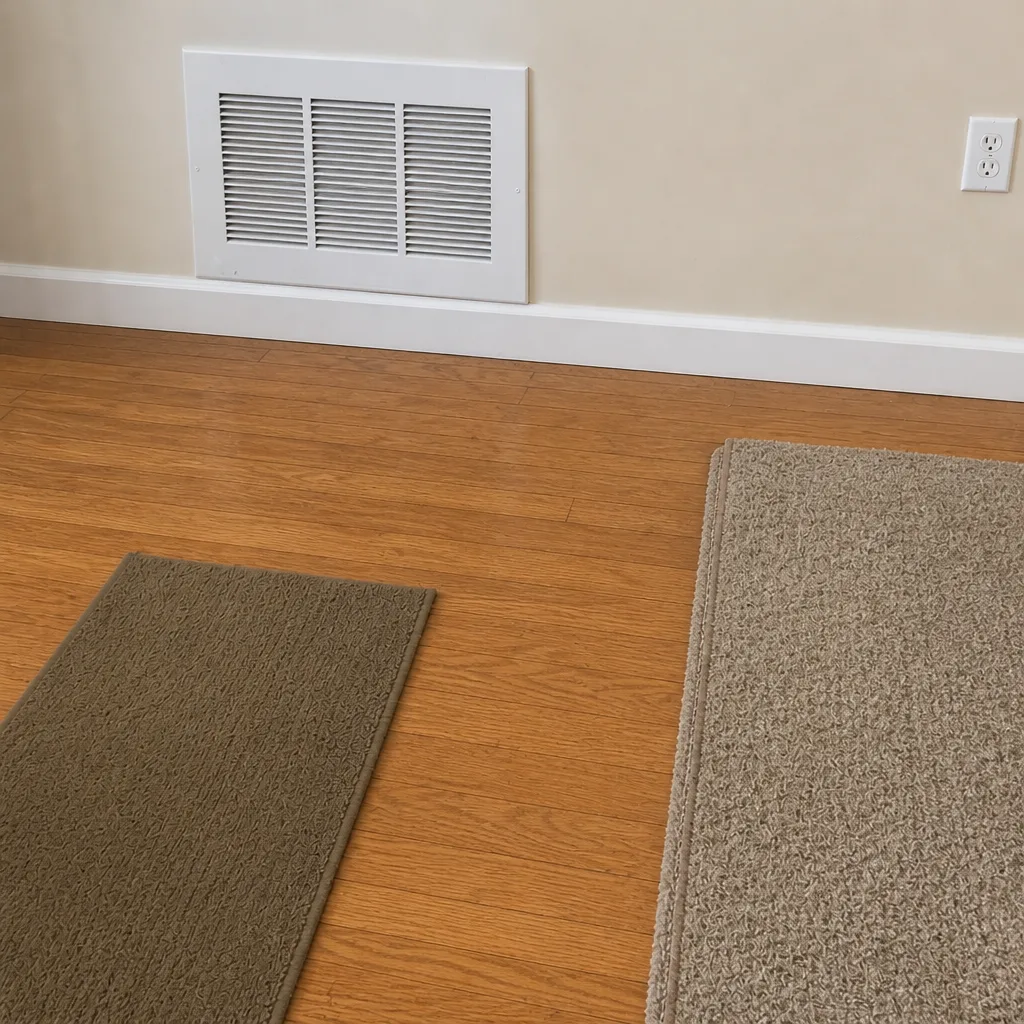 After
Common Mistakes to Avoid
- Cleaning in April and skipping October. April clears fresh pollen right before another full season lands. October clears the year’s accumulation right before heating season begins. The fall window matters more in Longmont’s climate.
- Jumping to MERV 13 in spring. Cottonwood fluff clogs a high-MERV filter quickly, and the resulting airflow restriction can strain an older blower. Match MERV to the season and the motor.
- Waiting for visible dust before scheduling cleaning. The dust you see on the grille is a fraction of what’s in the ductwork. By the time buildup is visible, you’ve been breathing dust from the return side for weeks.
- Ignoring a nearby structure fire or a renovation as a duct-cleaning trigger. Ash and drywall dust settle into ducts quickly. A seasonal cleaning a year later won’t feel like the right fix if you’ve been living with the contamination for months.
- Assuming a musty smell will fade on its own. In Longmont’s dry climate, mustiness is unusual. If it persists, moisture has reached the ducts, and it needs inspection, not more air freshening.
- Cleaning without inspecting the ducts for damage. Brush cleaning is more thorough than a vacuum, but a separated joint or crushed flex run needs repair, and cleaning alone won’t fix airflow problems caused by physical damage.
- Forgetting the dryer vent in seasonal planning. Dryer vent cleaning is a separately scheduled job from air duct cleaning, and lint buildup in a dryer vent is a fire risk regardless of season. Once a year is a reasonable rhythm for most homes.
When to Call a Professional
Some cleaning jobs are easy to identify: visible dust on grilles, a post-renovation cleanup, a persistent smell. Others are less obvious but higher priority. Call a professional if your filter is loading far faster than usual, if airflow from your registers feels weaker than last season, if you’ve noticed allergy symptoms flare up when the HVAC system runs, or if the system has never had the ducts cleaned and you’ve lived in the home for several years. Any structure fire within a few blocks, any renovation inside your home, or any pest discovery also warrants a professional cleaning visit.
Duct Cleaning Longmont offers free estimates in Longmont. Call (866) 361-9658. We answer 24/7. Fast dispatch from 7am to 7pm.
Frequently Asked Questions
Once a year is a reasonable rhythm for most Longmont homes, and October is the best month for it because it clears the full year’s accumulation before heating season. Homes with pets, allergy sufferers, recent renovations, or heavier-than-average outdoor debris loads may benefit from an additional cleaning. Call (866) 361-9658 for an exact quote – estimates are free.
October timing clears what spring pollen, summer wildfire smoke, and fall harvest dust have deposited over the year, and it means your furnace runs through the heating season with clean ducts. A spring cleaning clears fresh pollen right before another load lands. The fall window is the higher-priority one for this climate.
Yes, if the blower motor wasn’t designed for the airflow restriction that higher-MERV filters create. Older single-speed blowers usually do best on MERV 8 to MERV 11. Variable-speed motors can handle higher ratings. Our technicians check static pressure when we install Honeywell or Aprilaire equipment, so the filter is matched to the system.
If you noticed smoke smell inside the house that lingered after the fire was out, the ducts may hold combustion particulate. A cleaning plus a filtration inspection is the right next step. Call (866) 361-9658 – estimates are free.
We take before-and-after photos of your own ductwork so you can see what was removed. That’s a standard part of our process, not an add-on. Call (866) 361-9658 if you’d like to ask what documentation comes with a cleaning.
Some quotes are lower because they use a vacuum-only method without brush agitation, which leaves much of the adhered debris in the ductwork. Others price by the vent instead of by the whole system, so the price climbs once the technician arrives. We price per system with a flat rate agreed before work starts, so you know the total in advance. Call (866) 361-9658 for an estimate.
The Bottom Line
Longmont’s seasons don’t just change the weather; they change what enters your duct system, and a fixed multi-year cleaning schedule ignores that. The three guiding principles: clean in October, not just April; match your filter MERV to the season and to your blower motor’s capacity; and treat a nearby fire, a renovation, or a pest discovery as an override trigger that supersedes any schedule. Use fall and spring HVAC startups as inspection checkpoints. If you’d like a system-wide cleaning with brush agitation, HEPA extraction, and a repair capability under one visit, call (866) 361-9658 for a free estimate. We answer 24/7. Fast dispatch from 7am to 7pm.
Written by the team at Duct Cleaning Longmont.