
Last updated November 15, 2026
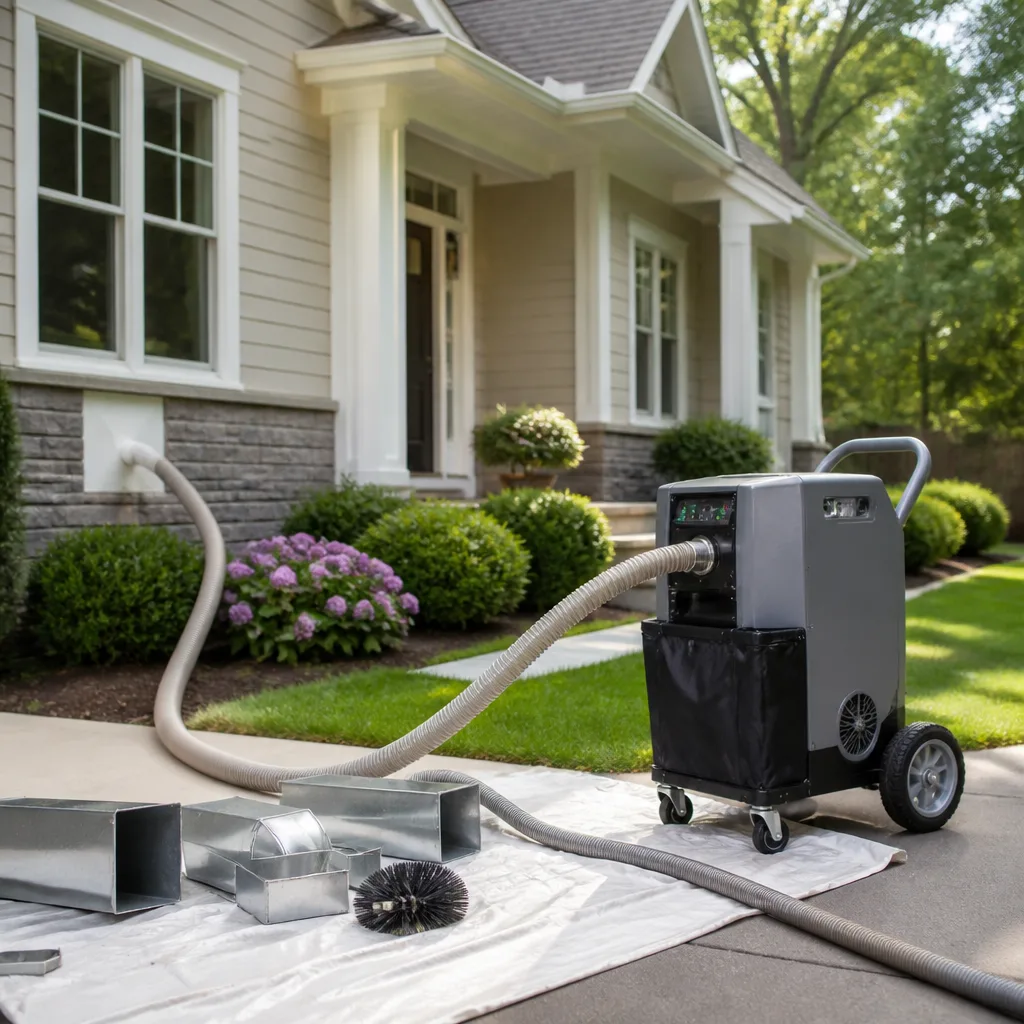 Whole-home duct cleaning
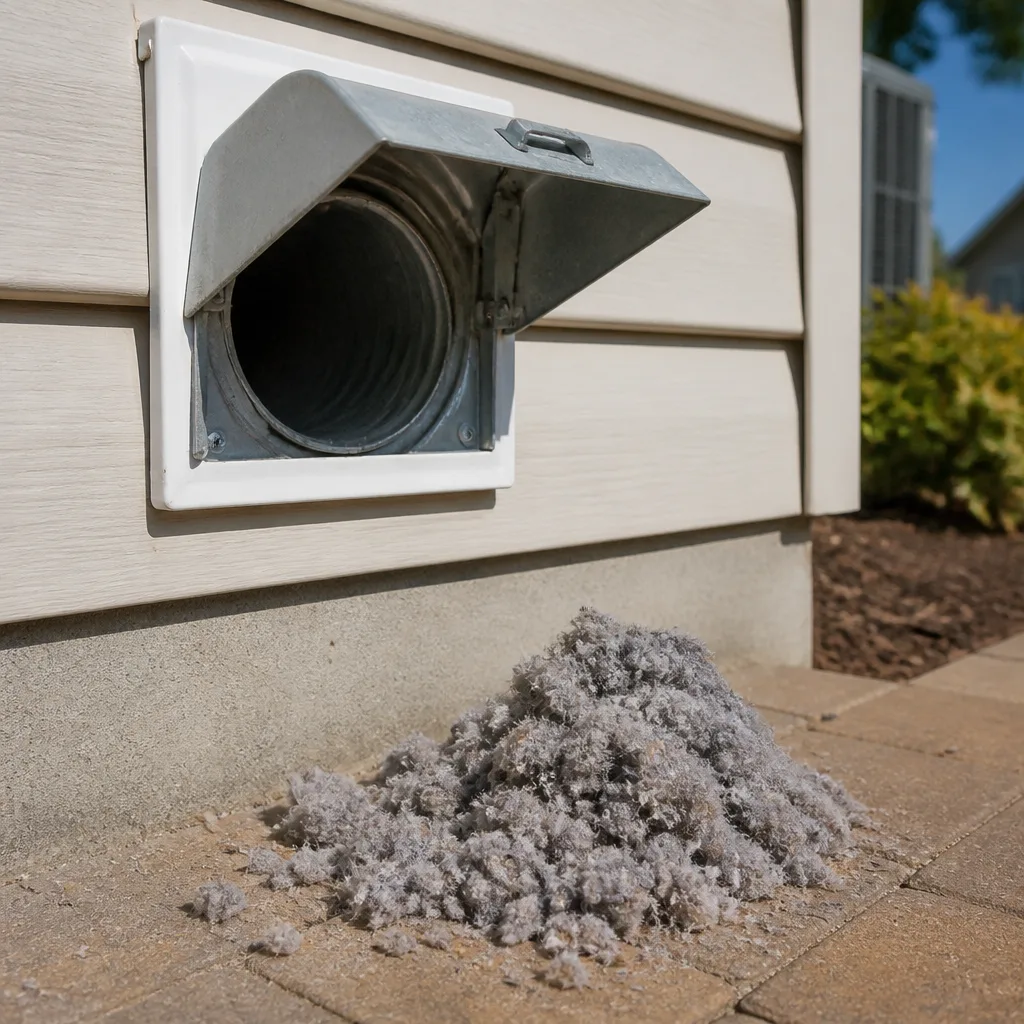 Dryer vent cleaning
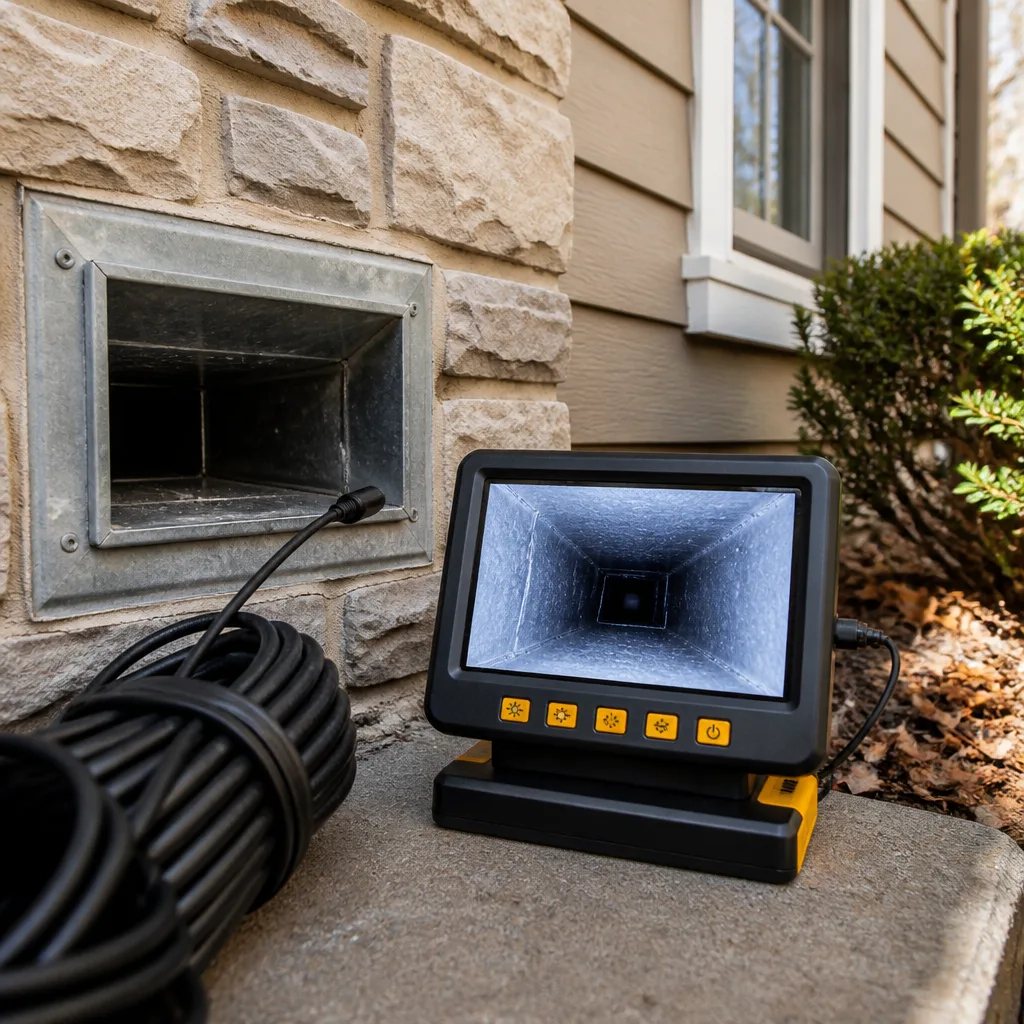 Camera inspection
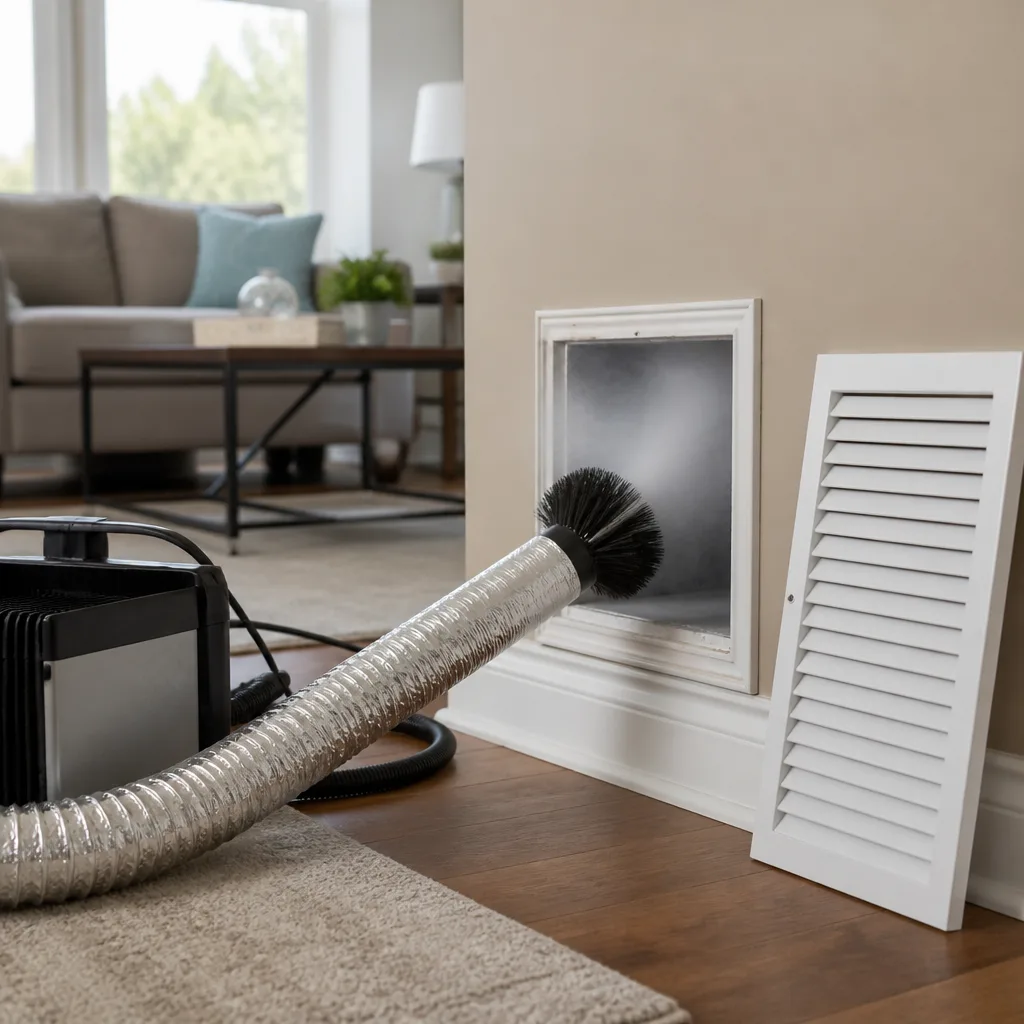 Sanitizing & deodorizing
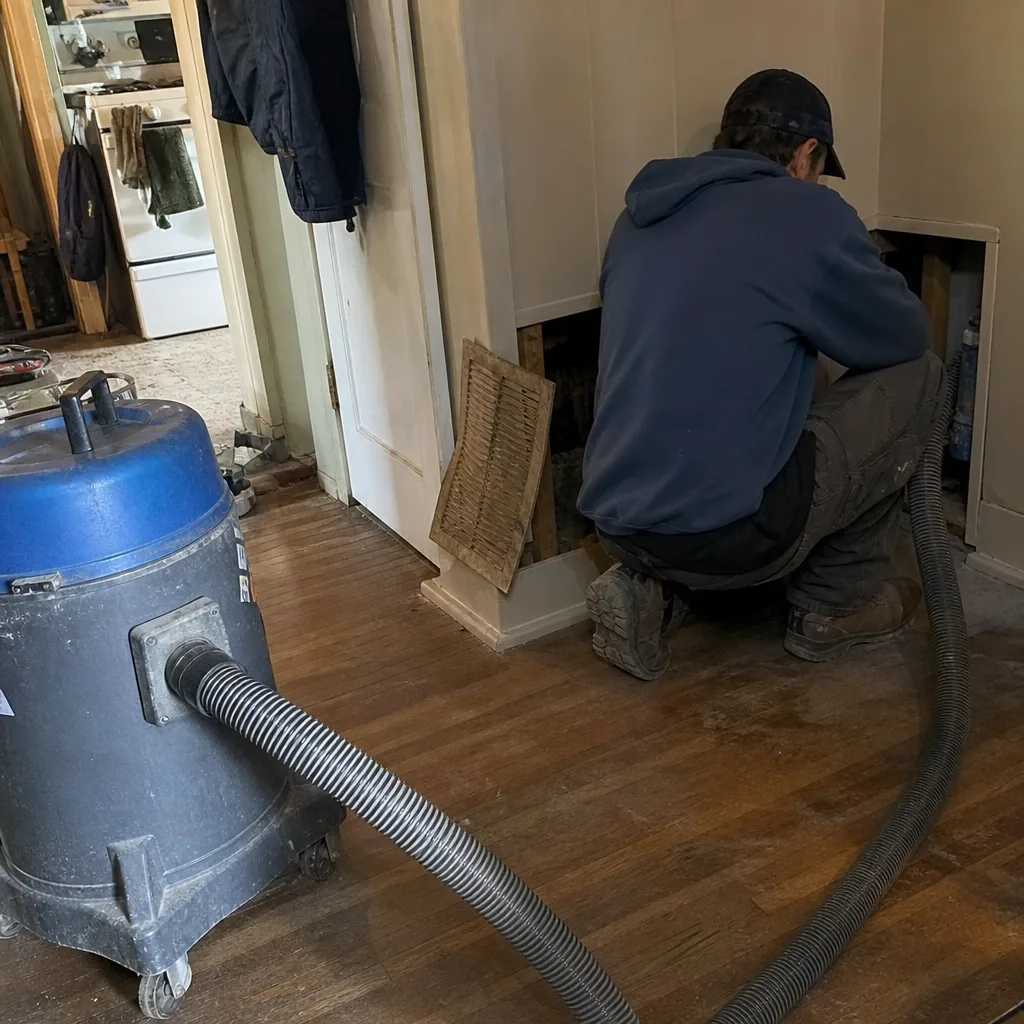
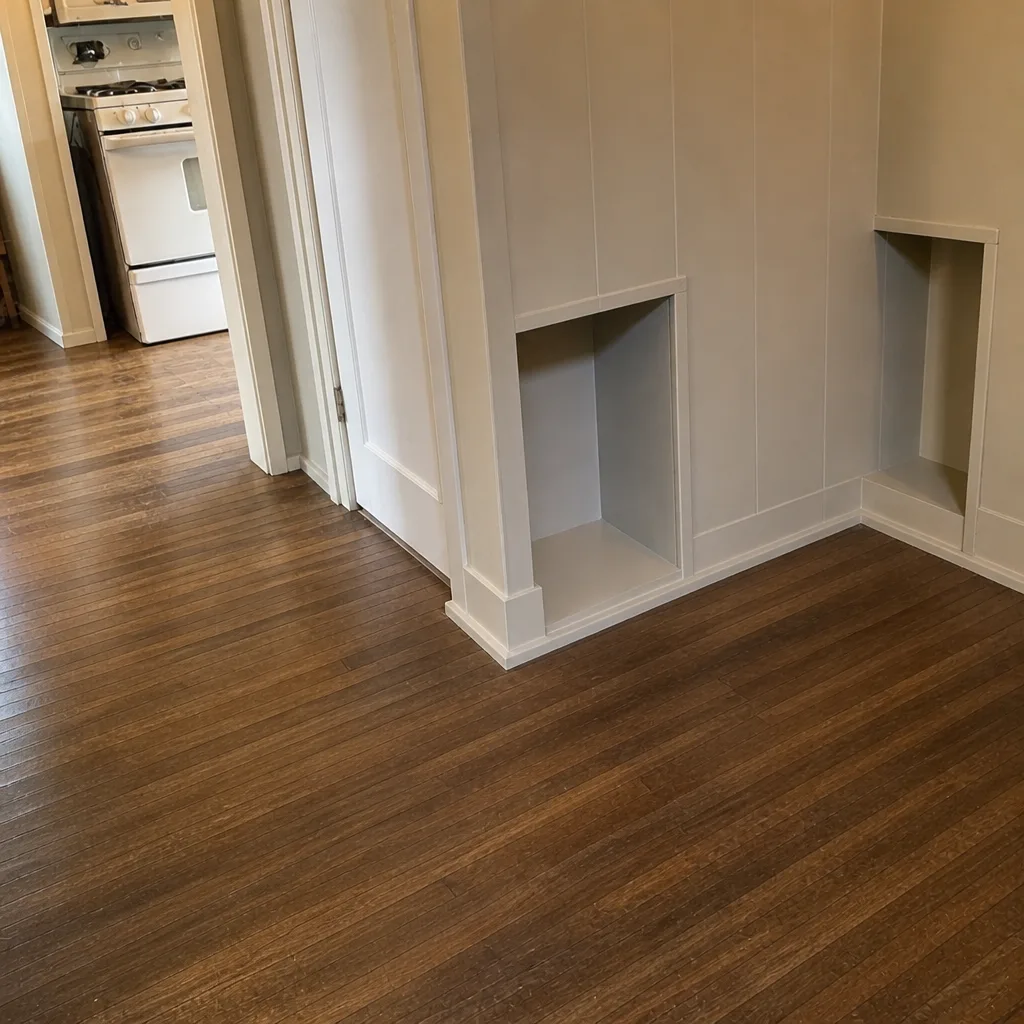
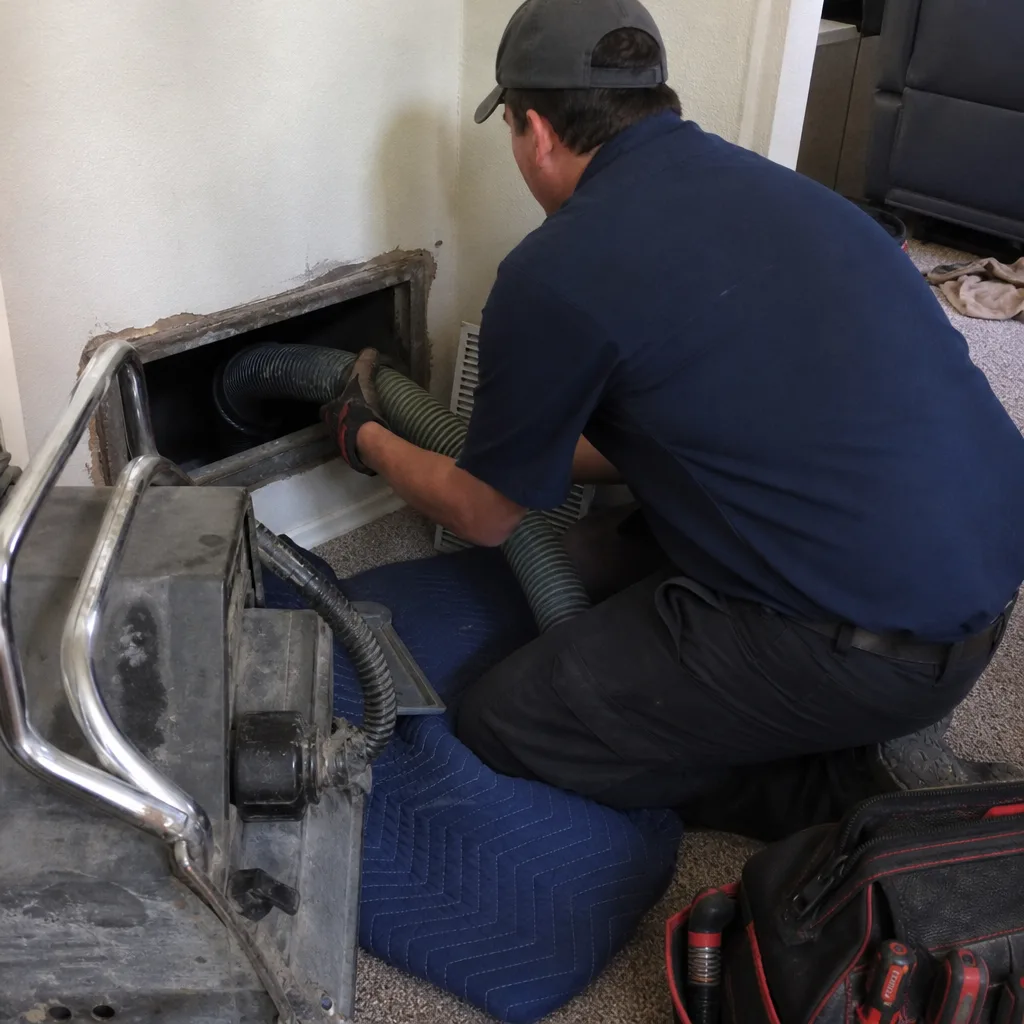
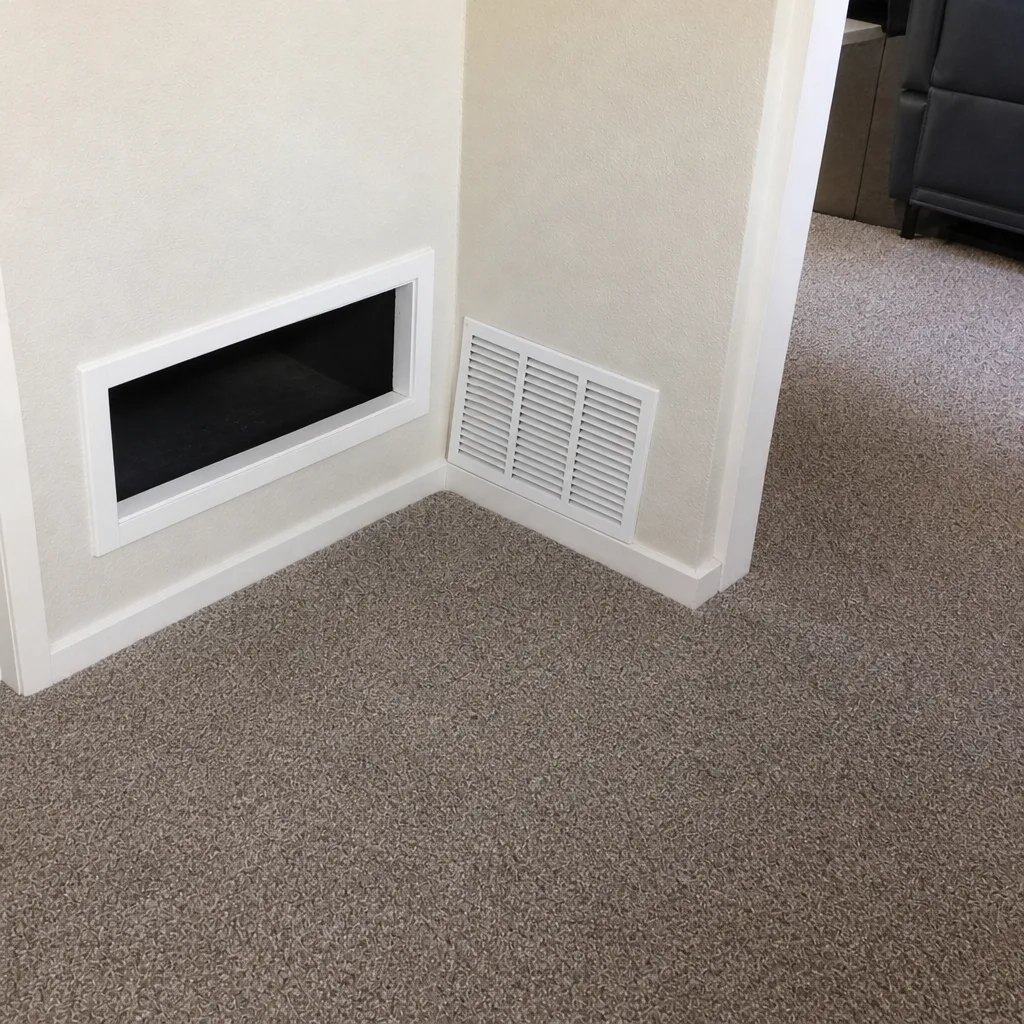
Whole-system duct and dryer vent check with before-and-after photos - you see exactly what came out of your vents
That "$99 whole-house special" is a bait ad - the real number appears once they are in your hallway, or the "clean" is a shop-vac at the register. We photograph the inside of your ducts before and after instead.
Air Duct Cleaning Maintenance Checklist for Longmont Homeowners
If you can’t answer when your return plenum was last inspected, you don’t have a maintenance routine. You have a cleaning schedule that misses the dirtiest part of the system. Most homeowners treat duct care as a once-a-decade phone call, and in between they change a filter and call it maintenance. That’s like servicing a car by topping off the oil and never checking the brakes. Your ductwork is a closed system with moving air, and it degrades quietly between professional cleans. This guide gives you a component-by-component checklist for Longmont homes: what to check monthly, quarterly, and yearly, what you can inspect yourself with a phone flashlight, what needs a camera scope, and how to keep a simple log that shows whether your system is holding steady or sliding.
Quick Answer
A working air duct maintenance routine for a Longmont home covers four rhythms: monthly filter checks and register inspections, quarterly return-plenum and air-handler checks, an annual professional assessment after the spring pollen window, and off-cycle visual checks after wildfire-smoke events or nearby construction. Log your filter loading rate, photograph key access points once a year, and book professional cleaning when the log shows accelerating debris or your photos change.
Our technicians have up to 10 years of experience reading these signs, and the pattern is consistent: the homeowners who catch duct problems early are the ones who keep records. The ones who don’t usually find out when airflow drops or odors appear.
Styles & brands we work with
- Whole-home duct cleaning
- Dryer vent cleaning
- Camera inspection
- Sanitizing & deodorizing
Table of Contents
- Why Your Duct Maintenance Checklist Is Really a System-State Log
- Monthly Tasks: Registers, Grilles, and Filter Loading
- Quarterly Tasks: Return Plenum, Air Handler, and Trunk Lines
- Annual Inspection: The Full Walkthrough
- Longmont-Specific Triggers That Warrant Off-Cycle Checks
- What You Can Inspect Yourself vs. What Needs a Camera Scope
- Building a Photo Log Across Years
- How to Know When It’s Time for Professional Cleaning
Why Your Duct Maintenance Checklist Is Really a System-State Log
A checklist without records is just a to-do list. The value isn’t in ticking boxes; it’s in comparing this month’s reading to last month’s. Your HVAC system represents a serious investment, and ductwork is the delivery network for every conditioned cubic foot of air that investment produces. If debris is accumulating inside the trunk lines, your equipment works harder, your filter loads faster, and your rooms heat and cool unevenly. None of that shows up on a thermostat.
A system-state log captures three things: how fast your filter loads, what your registers and returns look like at each check, and dated photos of key access points. Together those three signals tell you whether your ducts are stable or degrading. A filter that used to last three months and now maxes out in three weeks is telling you something upstream is shedding debris. That’s a duct problem showing up as a filter problem.
This is the difference between a cleaning schedule and maintenance. A schedule runs on the calendar. A log runs on evidence. For Longmont homeowners, the evidence matters because our air has real seasonal swings: dry summers, spring pollen, and the occasional smoke plume from fires west of the Front Range. A calendar doesn’t know about any of that. Your log does.
We approach duct care the same way. Our duct cleaning in Longmont work starts with an assessment of what’s actually in the system, not a preset package. If you want to see how the professional side fits with your own checks, that page walks through the process.
Monthly Tasks: Registers, Grilles, and Filter Loading
Monthly checks take about ten minutes and catch the earliest signs of trouble. Here’s what to do, in order:
- Check every supply register for airflow. Hold your hand a few inches from each one. You’re not measuring CFMs; you’re feeling for a register that’s noticeably weaker than the others. One weak register suggests a branch duct problem. Several weak registers suggest a larger restriction.
- Wipe the grille face with a damp cloth. Look at the cloth. Light gray dust is normal. Dark, sticky, or greasy residue is not, and neither is visible fuzz building up on the vanes within a month of cleaning.
- Inspect the return grille and filter slot. Pull the filter and hold it up to a light. If you can’t see light through it, it’s loaded. Write down the date you installed it.
- Log your filter change date and interval. One line in a notebook or a note on your phone: date installed, date pulled, and roughly how loaded it was on a scale of light, medium, or heavy. This single record is the most useful data point in the whole checklist.
- Listen at the air handler for new noises. A whistle or a rattle that wasn’t there last month can point to a loose connection or a partially blocked return.
Reading your filter loading rate. A standard filter that lasts a full season is telling you the system is reasonably clean. A filter that loads in three weeks is telling you debris is moving through the ducts and landing on it. That’s your early warning. Don’t just swap the filter faster; figure out where the debris is coming from. In our experience, a sudden jump in loading rate is one of the clearest signals that upstream duct contamination has crossed a threshold.
Keep the log for a full year before you draw conclusions. Loading rates shift with seasons, and a single fast filter change in July doesn’t mean much on its own.
Quarterly Tasks: Return Plenum, Air Handler, and Trunk Lines
The quarterly check goes deeper, and it’s the one most homeowners skip. The return plenum is the large duct that carries air back to the air handler, and it’s usually the dirtiest part of the system because it pulls in everything the return grille doesn’t catch. If your routine never looks at the plenum, you’re inspecting the clean half of the system.
What to check each quarter:
- Return plenum interior, where visible. With the system off, open the access panel or look through the return grille with a flashlight. Note any dust buildup on the bottom surface. A thin even coat is normal. Drifts, clumps, or anything that looks like felt need attention.
- Air handler cabinet exterior and filter door. Look for gaps, torn gaskets, or dust streaks that show air is bypassing the filter. Bypass means unfiltered air is entering the system.
- Visible trunk line runs. Where ducts run through an unfinished basement or crawlspace, walk the run and look for disconnected joints, sagging flex duct, or crushed sections. Crushed ductwork reduces airflow and traps debris.
- Drain pan and condensate line if your system has one. Standing water or biological growth in the pan is a humidity problem that will feed duct contamination. This is a visual check only; if it’s wet, call a professional.
- Update the log. Date, what you saw, and a photo of the plenum interior if you can get one.
We use contractor-grade equipment for this kind of assessment because a flashlight only goes so far. Our air duct cleaning process pairs Rotobrush brush agitation with Nikro HEPA-vacuum extraction, which is a contact-and-capture method: the brush physically dislodges what’s stuck to the duct walls, and the HEPA vacuum captures it rather than pushing it into the living space. That’s the same principle your quarterly check is looking for with a flashlight, just at full scale.
If you find a disconnected or crushed section during your walk, that’s a repair item, not a cleaning item. We repair what we find so a cleaning isn’t undone by a gap in the system.
Annual Inspection: The Full Walkthrough
The annual inspection is where your monthly and quarterly records pay off. Do it once a year, ideally after the spring pollen window closes and before heating season starts. In Longmont that means late spring or early fall.
Work through the system in this order:
- Review your log. Compare this year’s filter loading pattern to last year’s. Faster loading, slower airflow, or new odors are your three key signals.
- Inspect every register and grille, not just a sample. Remove the covers where you can and look at the boot and the first few feet of duct behind them.
- Check the air handler filter slot and cabinet seams. Confirm the filter fits snugly with no visible bypass.
- Look into the return plenum and photograph it from a consistent angle each year.
- Walk every accessible duct run and note condition: joints, supports, insulation, any sagging or crushing.
- Test airflow at each register and compare to your notes from last year.
- Check the dryer vent separately. It’s a different system and it needs its own annual inspection. More on that below.
Record the results in the same format every year. Three years of consistent records will tell you more about your ductwork than any single inspection ever could.
The dry side of the system deserves its own line item. dryer vent cleaning is the other half of home ventilation maintenance, and a blocked dryer vent is a genuine safety issue rather than just a performance one. Lint accumulates in the vent run and restricts airflow, and restricted airflow on a dryer is a fire risk, which is why we recommend an annual vent inspection as part of this same routine. Check the vent run for kinks, crushed sections, and visible lint at the exterior termination, and clean the lint trap after every load as a baseline habit. If you can’t remember the last time the vent run itself was cleaned, that’s your first call.
Longmont-Specific Triggers That Warrant Off-Cycle Checks
Calendar-based maintenance misses the events that actually dirty your ducts. In Longmont, three local triggers should push a visual check off schedule:
- Wildfire smoke events. When smoke from fires west of the Front Range pushes into the area, fine particulate settles in ductwork as well as in the house. The filter catches some of it; the ducts collect the rest. After a sustained smoke event, pull your filter and check it early. If it’s loaded well ahead of its normal interval, log it and consider a professional assessment rather than just swapping the filter. Our technicians use Abatement Technologies air-filtration equipment on jobs where smoke and fine particulate are part of the picture, which is a different capability than routine dust removal.
- Construction on adjacent lots. New builds and remodels move a lot of dust. If a lot next door or down the street is under active construction, expect your filter to load faster and check your return grille monthly instead of quarterly.
- Spring pollen windows. The pollen season along the Front Range sends fine material into return air, and it can coat duct surfaces in a way that ordinary dust doesn’t. A check at the tail end of pollen season catches it before heating season pushes it back into the living space.
Beyond events, the Front Range climate itself has something to say. Longmont’s dry air and temperature swings mean duct joints expand and contract, and small gaps can open over time. A gap that was tight two winters ago may be pulling in attic or crawlspace air now. That’s a reason to check joints annually and not assume they stay sealed.
Our guide to Longmont covers the local housing stock and the kinds of systems common in the area, which helps you know what your checklist should emphasize. Older homes with original ductwork and newer builds with tight flex runs need different attention.
What You Can Inspect Yourself vs. What Needs a Camera Scope
You can do a lot of useful inspection with a phone flashlight and a few minutes. You can’t see everything, and knowing the difference keeps you from either missing real problems or wasting time.
Inspect yourself with a phone flashlight:
- Register and grille faces and the first few feet of duct behind them
- The return plenum interior, if the access is readily reachable and the system is off
- The filter slot, filter fit, and air handler cabinet exterior
- Visible trunk and branch runs in basements, crawlspaces, and attics
- Duct joints, supports, and insulation condition where you can see them
- Dryer vent run at accessible points and the exterior termination
Needs a camera scope or professional assessment:
- Duct interiors beyond the first few feet
- Vertical runs and duct sections behind finished walls or ceilings
- Trunk line interiors where the contamination layer can’t be judged from an access point
- Any section where you suspect microbial growth from a humidity or water problem
- Post-renovation assessment where drywall dust and construction debris have entered the system
Contamination scenarios are where equipment matters. Routine dust is one thing; mold, renovation fallout, and post-remediation clearance are another. Abatement Technologies air-filtration equipment is built for the second category, and it lets us work on jobs where a shop-vac and a brush aren’t enough. If your own check turns up signs of growth or heavy renovation debris, that’s the point to stop inspecting and call.
In our experience, the most common mistake in do-it-yourself inspection is judging duct cleanliness from the register face. A register can look clean while the trunk line behind it is loaded. That’s why the camera scope exists.
Building a Photo Log Across Years
A photo log turns a subjective impression into a record you can compare. It’s simple, and it’s the single most useful habit in this whole checklist.
- Pick four or five fixed photo points. Good candidates are the return plenum interior, the air handler filter slot, the inside of two or three representative supply registers, and any trunk line access you can reach.
- Shoot from the same angle every time. Stand in the same spot, hold the flashlight the same way, and frame the same area. Consistency is what makes the comparison meaningful.
- Use a size reference. Place a coin or a small card in the frame next to any dust accumulation so you can judge scale later.
- Date the files. Use the date in the filename. A folder named “duct log” with dated photos is all you need.
- Compare once a year. Put last year’s photo next to this year’s. If the dust layer is visibly thicker or covering more area, the system is degrading. If it looks the same, it’s stable.
The photo log also helps when you do call a professional. Before-and-after photos are part of how we work, and having your own before photos gives you a baseline to compare against. It’s a check on whether the cleaning actually accomplished what it was supposed to. A homeowner with a three-year photo log has more useful information about their system than a homeowner with no records at all, no matter how often either one changes a filter.
How to Know When It’s Time for Professional Cleaning
Your log tells you when to act. Here are the signals, in rough order of urgency:
- Filter loading interval has shortened significantly compared to your baseline, and it stays short after a filter change.
- Visible debris or a dust layer is spreading in your photo log from one year to the next.
- Airflow at registers has weakened across several rooms compared to last year’s notes.
- Odors appear when the system runs, especially musty or stale smells, which suggest moisture or biological growth somewhere in the system.
- A smoke, construction, or renovation event has pushed visible debris into the return, even if your regular schedule hasn’t come around yet.
- You can’t answer basic questions about the system’s condition because you have no records.
Cleaning is worth doing when the evidence supports it. There’s no value in cleaning a stable system on a fixed calendar, and there’s real downside to waiting on a degrading one. If you’ve kept a log and the trend lines are moving, that’s your answer.
When the time comes, you want a contractor who cleans, repairs, and upgrades one system under one roof. We clean with Rotobrush and Nikro, use Abatement Technologies filtration where the job calls for it, and supply and install Honeywell and Aprilaire IAQ products so the system can be improved, not just cleaned. Our Guardsman products round out the service mix. One visit covers the full duct system, from cleaning to filtration.
Common Mistakes to Avoid
- Inspecting only the register face. A grille can look clean while the trunk line behind it is loaded with debris. Pull the cover and look inside with a flashlight at least once a year.
- Treating the filter as the whole system. Changing filters is necessary and it’s not maintenance. A clean filter on a contaminated system will load fast no matter how often you swap it.
- Never looking at the return plenum. It’s usually the dirtiest part of the system because it carries the return air. If your routine never reaches it, you’re inspecting the wrong half.
- Skipping the log. A checklist without dates and notes is a habit; a log is evidence. Without records you can’t tell whether your system is stable or slowly declining.
- Cleaning on a fixed calendar regardless of conditions. After a Longmont smoke event or nearby construction, the system may need attention months before your scheduled cleaning. Let events and records set the timing.
- Judging duct condition only from the register airflow. Airflow can stay acceptable even as a dust layer builds up. Airflow is one signal; your photo log and filter loading are the others.
- Forgetting the dryer vent. It’s part of home ventilation maintenance and it has its own annual inspection. A crushed or lint-filled vent run is a safety issue, not just an inconvenience.
See the difference
 Before
 After
 Before
 After
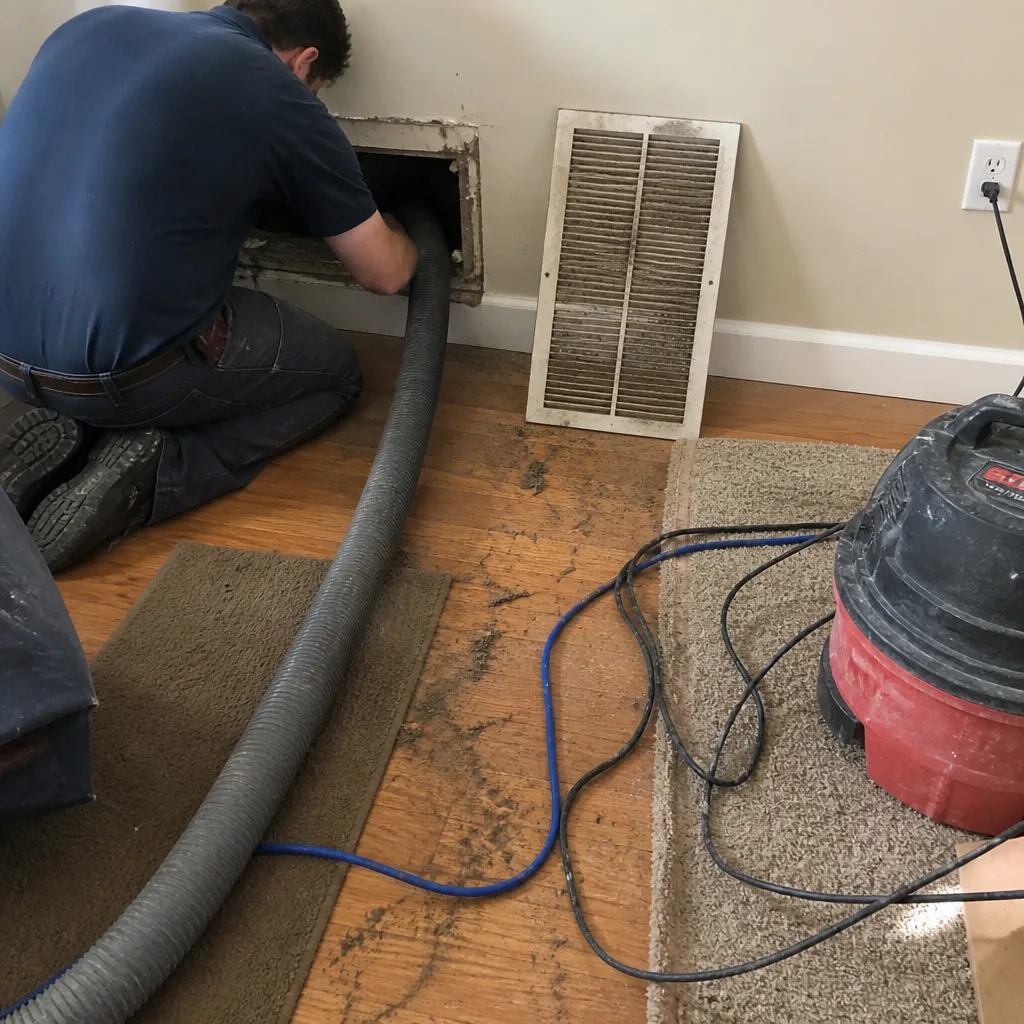 Before
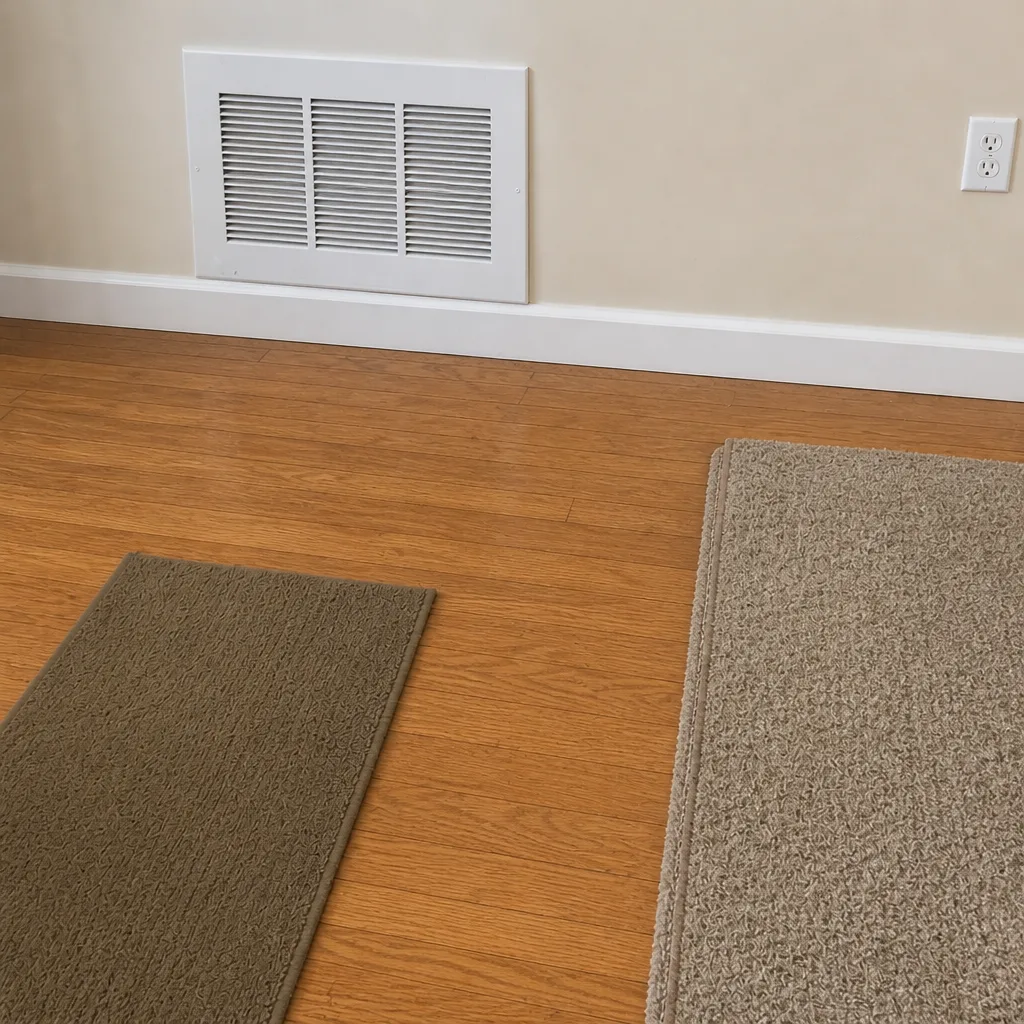 After
When to Call a Professional
Call a professional when your own checks turn up something the flashlight can’t resolve. If your filter loading rate has jumped and stayed high, if your photo log shows the dust layer spreading, if airflow has weakened across several rooms, or if there’s a musty smell when the system runs, those are signs of duct contamination or a system problem that needs proper equipment to diagnose. So are a disconnected or crushed duct, a water problem in the air handler, or visible debris in the return after a smoke or construction event. Duct Cleaning Longmont offers free estimates in Longmont – call (866) 361-9658. We answer 24/7. Fast dispatch, 7am-7pm, Sunday through Friday. Our technicians have up to 10 years of experience, and the visit starts with an assessment of what’s actually in your system.
Frequently Asked Questions
Most Longmont homes should have their ducts assessed once a year and cleaned when the evidence warrants it, not on a fixed calendar. Filter loading rate, visible debris, airflow changes, and odors are the signals that matter. A stable system with a clean return plenum doesn’t need cleaning just because a year has passed; a degrading one needs attention even if it hasn’t been long. Call (866) 361-9658 for a free assessment, and we’ll tell you what your system’s condition actually shows.
Your filter loading rate is the best indirect signal. If a filter that used to last a full season now loads in three weeks, debris is moving through the system. Weakened or uneven airflow across registers, musty smells when the system runs, and dust building up on the register vanes quickly are the other three signs. None of those are definitive on their own, but two or three together are a good reason to get a professional assessment. Call (866) 361-9658 and we’ll scope it.
Yes, if you want an honest picture of your system. The return plenum is usually the dirtiest part of any duct system because it carries air back from the living space and collects what the return grille doesn’t catch. A routine that only checks registers and filters is inspecting the clean side. With the system off, a flashlight and a reachable access panel will tell you a lot; a camera scope goes further. If you’d rather not poke around your plenum, call (866) 361-9658 and we’ll check it during a free estimate.
Smoke events from fires west of the Front Range, active construction on adjacent lots, and the spring pollen window all push extra particulate into return air. After any of those, check your filter and return grille early instead of waiting for the monthly date. Front Range temperature swings also open small gaps in duct joints over time, which is a reason to walk your visible duct runs annually. Call (866) 361-9658 if a smoke event has loaded your system and you can’t tell how far it’s spread.
A phone flashlight is genuinely useful for register faces, the first few feet of duct behind a register, a reachable return plenum, and visible trunk runs in a basement or crawlspace. It can’t see past the first few feet, into vertical runs, or behind finished walls. Those need a camera scope or a professional assessment. If your own inspection turns up a dust layer you can’t judge, or signs of moisture or growth, that’s the point to call (866) 361-9658 rather than climb further in.
No. A filter captures some airborne debris before it reaches your equipment, but the ducts collect what the filter misses and what settles on duct surfaces over time. Changing filters is necessary maintenance and it’s not a substitute for cleaning a contaminated system. When a filter loads faster than it used to, it’s telling you the ducts have a problem, not that you should buy filters more often. Call (866) 361-9658 to get a proper read on what’s in the system.
The Bottom Line
Your air duct maintenance checklist is a system-state log, not a reminder to change a filter. Check registers and filter loading monthly, inspect the return plenum and visible trunk lines quarterly, and do a full walkthrough annually with dated photos. Let Longmont conditions, smoke events, adjacent construction, and pollen season push your checks off schedule when they warrant it. Compare your filter loading rate and photo log year over year to know whether your ductwork is stable or degrading. When the records show a trend, call. It’s the most honest maintenance routine there is, and it’s how you protect a serious HVAC investment without guessing.
Contact
If your log is showing signs that your ducts need attention, call Duct Cleaning Longmont at (866) 361-9658 for a free estimate. We handle air duct cleaning, air duct repair, and dryer vent cleaning together, with Rotobrush and Nikro equipment on the cleaning side, Abatement Technologies filtration where contamination calls for it, and Honeywell and Aprilaire IAQ products if you want to move from clean ducts to better air in one visit. We answer 24/7. Fast dispatch, 7am-7pm, Sunday through Friday.
Written by the team at Duct Cleaning Longmont.