
Last updated November 15, 2026
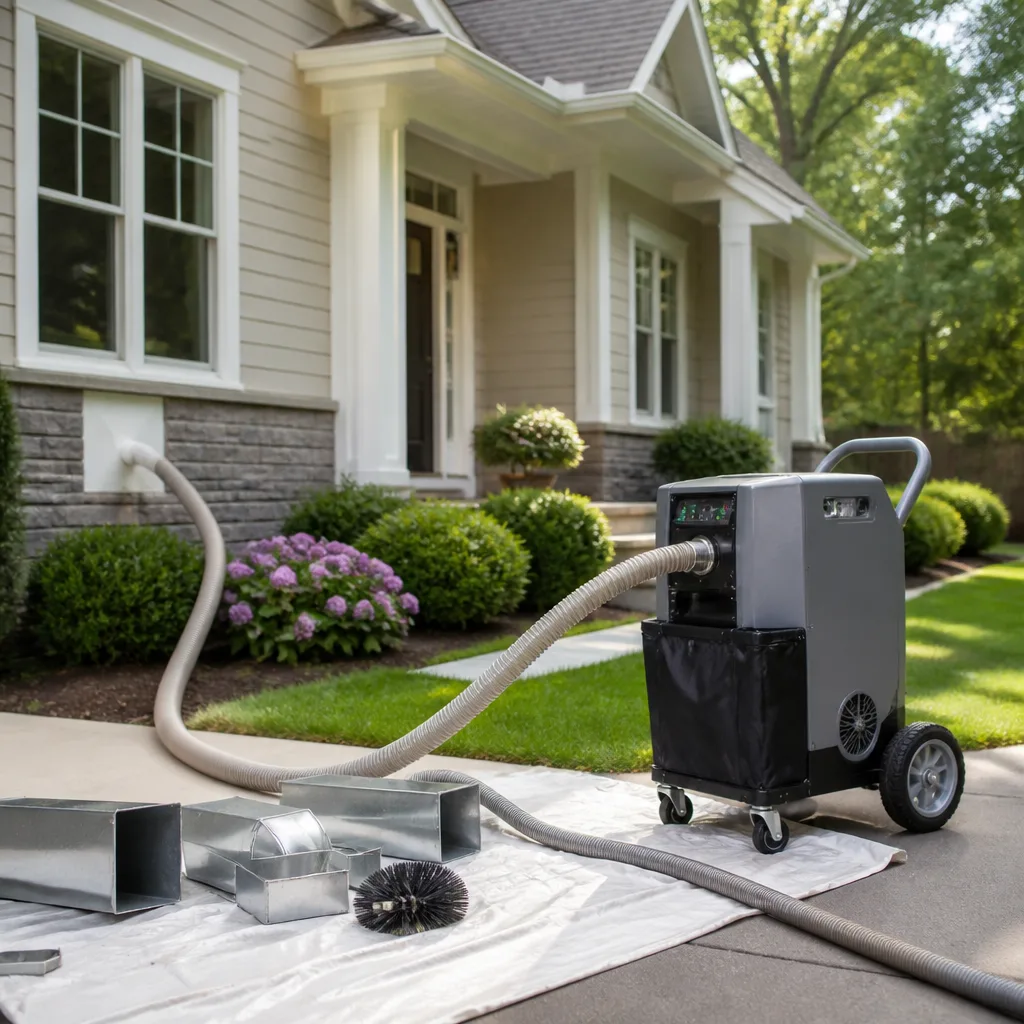 Whole-home duct cleaning
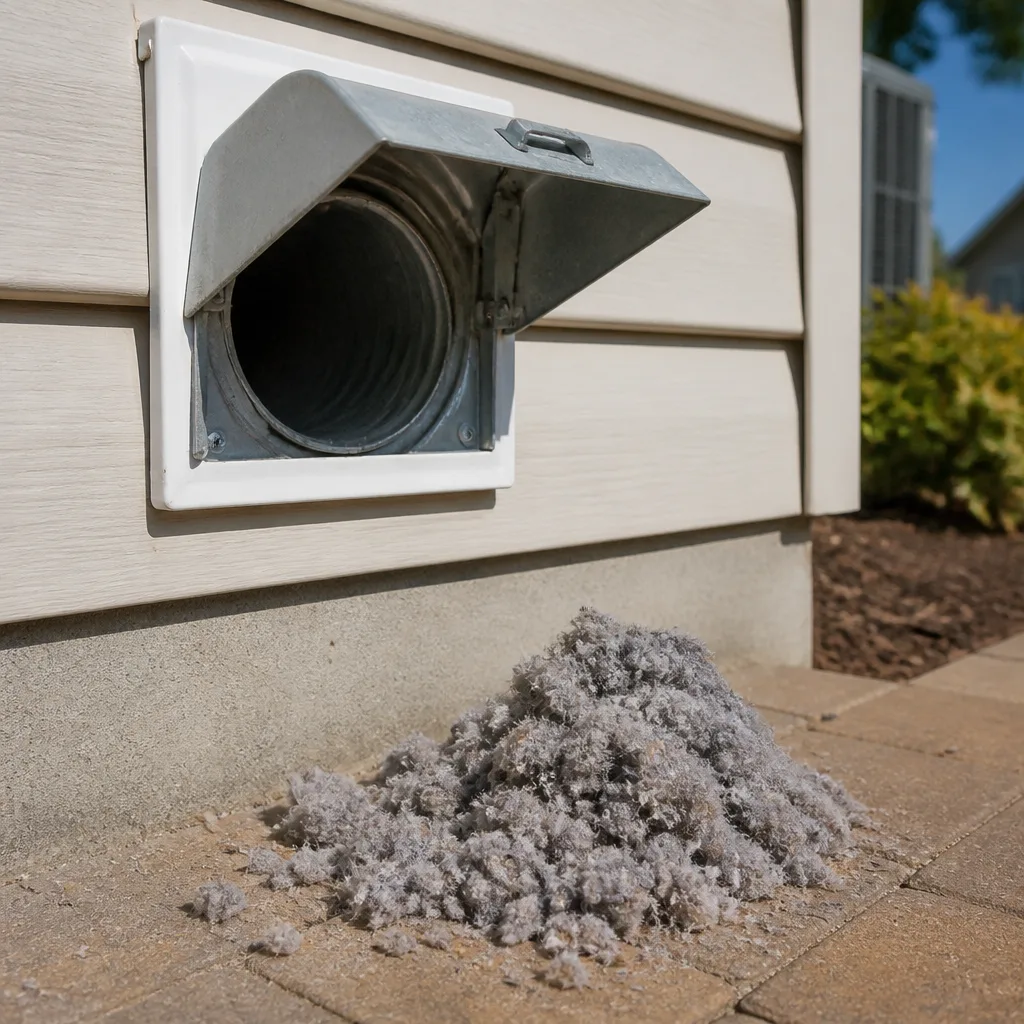 Dryer vent cleaning
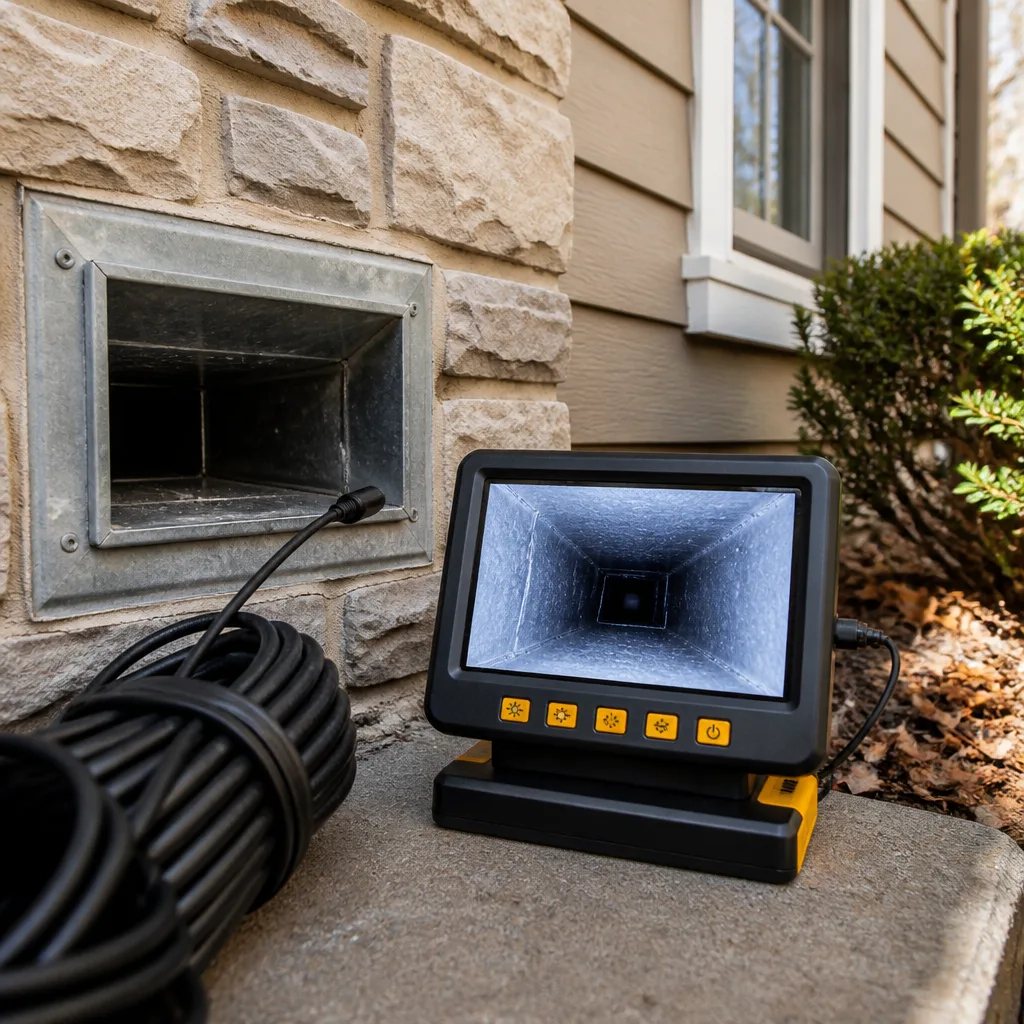 Camera inspection
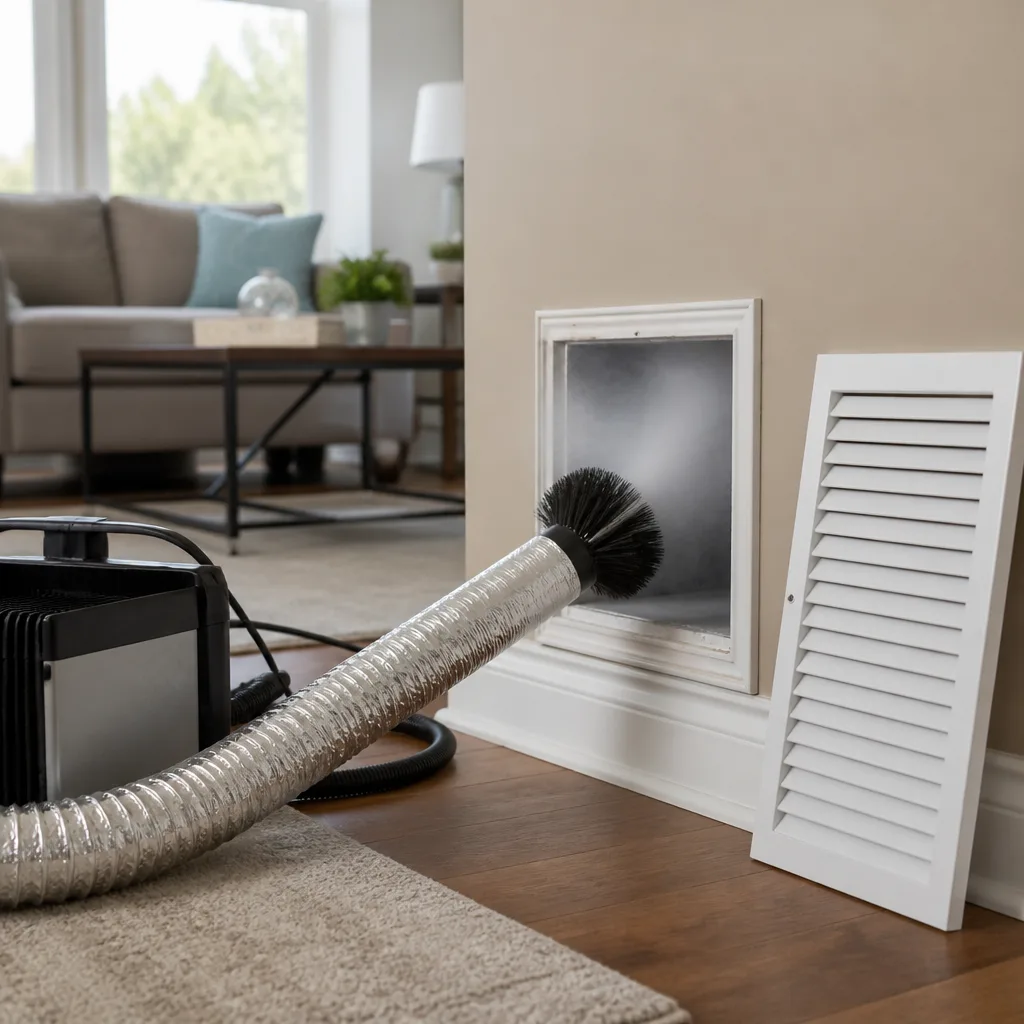 Sanitizing & deodorizing
Whole-system duct and dryer vent check with before-and-after photos - you see exactly what came out of your vents
That "$99 whole-house special" is a bait ad - the real number appears once they are in your hallway, or the "clean" is a shop-vac at the register. We photograph the inside of your ducts before and after instead.
DIY vs Professional Air Duct Cleaning: The Longmont Homeowner’s Decision Guide
Most homeowners who decide to clean their own ducts don’t fail because they lack skill. They fail because of physics. A shop vacuum or a consumer-grade unit attached to a spinning brush can work the register and the first stretch of duct just behind it. Past that point, the machine simply cannot pull enough air to carry debris out of a closed system, so it stirs the dust loose and leaves it to settle somewhere downstream. We’re a duct cleaning company, so yes, we have a stake in this answer. But the reason DIY duct cleaning so often disappoints in Longmont isn’t effort. It’s what the equipment can and cannot do. This guide walks through the actual mechanics, the tasks you can safely handle yourself, where DIY attempts go wrong, and how to figure out when a professional visit is worth it.
Quick Answer
Professional air duct cleaning is worth it when your ducts have visible buildup, musty odors, uneven airflow, or years of accumulated dust, because a contractor-grade extraction system generates the negative pressure needed to actually remove debris rather than redistribute it. DIY cleaning is a reasonable choice for register and grille wiping, filter changes, and dryer vent lint trap clearing. Anything past the first section of duct generally needs contact-and-capture equipment to do real work. In Longmont, where forced-air heating runs hard through dry winters and windy spring dust season, that distinction matters more than most homeowners realize.
Styles & brands we work with
- Whole-home duct cleaning
- Dryer vent cleaning
- Camera inspection
- Sanitizing & deodorizing
Table of Contents
- The Physics Problem: Why Most DIY Duct Cleaning Doesn’t Work
- What You Can Legitimately DIY (and What’s Safe)
- Where DIY Attempts Cause Real Damage
- What a Professional Actually Does That You Can’t Replicate
- The Break-Even Calculation: When DIY Stops Making Sense
- Longmont Climate, Housing Stock, and Duct Wear
- Equipment Matters: What Contractor-Grade Actually Means
- Common Mistakes to Avoid
- When to Call a Professional
The Physics Problem: Why Most DIY Duct Cleaning Doesn’t Work
Duct cleaning is a negative-pressure operation. Air has to move through the system in a single direction, carrying loose debris with it toward a collection point, usually a HEPA vacuum connected at the main trunk or at a register. The moment you break that pressure, dust stops moving. Consumer vacuums top out at a fraction of the airflow and static pressure a professional extraction unit pulls, and a spinning brush without sufficient suction behind it just loosens material and pushes it around.
Here’s the practical version. A homeowner with a shop vacuum and a flexible brush kit can create mechanical agitation but not the air volume to evacuate the dust that agitation releases. The result is that the debris dislodges from the duct wall and settles further down the run, or drifts into the air handler compartment. That’s not cleaning. It’s relocation.
When we clean a system in Longmont, the setup is different. A Rotobrush brush-agitation tool loosens material from the duct walls while a Nikro HEPA vacuum pulls the dislodged debris into a sealed collection unit. Contact and capture, working together. The brush doesn’t clean the duct. The vacuum doesn’t clean the duct. The combination does. Removing one side of that equation at home leaves you with half the process.
- CFM (cubic feet per minute): how much air volume the unit moves through the duct.
- Static pressure: the suction force that holds debris suspended long enough to travel to the collection point.
- Sealed HEPA collection: what keeps the extracted material from re-entering your living space.
That third item is often overlooked and it’s the one homeowners notice most after a failed DIY attempt. Without a sealed HEPA collection system, the dust you dislodge ends up in the air you’re breathing during the job. We’ve seen this in plenty of Longmont homes where a homeowner tried the vacuum-brush approach and ended up with a dust bloom that lasted days.
What You Can Legitimately DIY (and What’s Safe)
Some duct-system maintenance is absolutely appropriate for a homeowner. In fact, doing these tasks between professional cleanings extends the life of the system and keeps everyday air quality reasonable. What follows is the list we’d hand a neighbor who asked where to draw the line.
- Register and grille cleaning. Remove the supply and return grilles and wipe them down with a damp cloth. This is where most visible dust accumulates and it’s completely safe to handle yourself.
- Filter replacement. Change your furnace filter on the schedule the manufacturer recommends. A clogged filter forces the blower to work harder and contributes to the dust problems that eventually need professional cleaning.
- Visual inspection at accessible points. A flashlight and a phone camera can reveal whether there’s visible dust buildup near a register boot. What you see there is informative; what you can’t see down the trunk line is where the real question lives.
- Dryer vent lint trap clearing. Pull the lint screen after every load. This is the single most effective thing you can do to prevent dryer vent problems and it takes ten seconds.
- Dusting return air pathways. Wiping down the return-air chase and the area around the furnace housing removes loose surface dust that would otherwise get pulled into the system.
That’s the entire safe list, and we want to be clear about why it stops there. These tasks address the parts of the system you can reach and physically wipe. Anything involving the duct interior, the air handler compartment, or the dryer vent run behind the wall requires equipment you don’t have at home.
If you’re planning a professional visit for air duct cleaning anyway, keep up the filter and register routine between cleanings. It makes the outcome measurably better and it costs you almost nothing.
Where DIY Attempts Cause Real Damage
The cost of a DIY attempt isn’t just wasted time. In the wrong circumstances, it causes damage that’s more expensive than the cleaning would have been. Three specific failure modes come up again and again.
Flex duct punctures from rigid brush attachments
Much of the ductwork in newer Longmont construction and in retrofit work is flexible insulated duct, and the inner liner is a thin plastic membrane stretched over a wire helix. A rigid brush pushed through that membrane punches holes that leak air into the attic or crawlspace. Once a flex run is punctured, it needs to be replaced, not patched. That’s a repair job, not a cleaning job, and it’s one of the most common reasons we end up doing air duct repair after a homeowner’s attempt gone wrong.
Debris displacement into the air handler
When you agitate dust without capturing it, gravity and airflow carry it downstream. The air handler compartment is where that material pools. Coils get coated, the blower wheel gets unbalanced, and the overall system efficiency drops. Our technicians have up to 10 years of experience and they’ve pulled plenty of dust-clogged blower wheels out of equipment that was fine before a homeowner tried to clean it themselves.
Dislodging taped duct joints
Ductwork is often assembled with mastic and foil tape at the joints. Rigid brushes snag tape edges and peel them back. That opens up leaks in the supply system that reduce the delivered airflow to the rooms you’re actually trying to heat.
The pattern is consistent: DIY duct cleaning that reaches past the register creates problems that require repair. If you’ve already had an attempt go wrong, our Duct Cleaning Longmont page explains how we diagnose and fix what we find during a single visit, rather than sending you to a separate contractor.
What a Professional Actually Does That You Can’t Replicate
Equipment is only half the difference. The other half is what a trained technician does before, during, and after the cleaning. This is the part most homeowners never see and often don’t know exists.
Diagnostic steps that determine whether cleaning is even needed
- Static pressure testing. A manometer reads the pressure differential across the system. High pressure on the supply side or low return pressure tells the technician whether the issue is a duct restriction, a filter problem, or a blower problem, none of which a visual check reveals.
- Camera scoping. A borescope run through the duct shows the actual condition of the interior. This is where we find the difference between “dusty but fine” and “needs cleaning now.” It’s also where we find the mold, rodent debris, or renovation fallout that changes the whole approach.
- Airflow measurement at registers. A balancing hood or anemometer at each supply tells us whether the system is delivering the CFM it was designed for, which is how we catch duct problems that a homeowner would never notice until the heating bill came in.
That diagnostic phase determines whether cleaning is warranted in the first place. A reputable professional will sometimes tell you your ducts are fine and you don’t need a cleaning. That’s a good sign, not a sales dodge. If the technician finds mold or contamination from a renovation or water event, the job moves into Abatement Technologies filtration equipment and a more careful protocol. That’s the gear contractors use in professional remediation work, and it’s why a cleaning visit sometimes looks more like a containment operation than a vacuum job.
After the cleaning, we can move into filtration upgrades with Honeywell and Aprilaire products. Cleaning ducts improves the condition of what’s already installed. Filtration changes what the system does going forward. Doing both in one visit means homeowners get past “clean ducts” to “better air” without scheduling two companies. If your ducts were fine but the filter system is undersized, that’s a legitimate thing to address, and we can handle it as part of the same appointment. The Longmont page covers how we schedule and scope visits across the area.
The Break-Even Calculation: When DIY Stops Making Sense
Here’s an honest way to think about the decision. Any DIY attempt has four costs: your time, the tools you have to buy or rent, the risk of damage, and the likelihood that the job still isn’t done afterward. Even if the tools were free, most homeowners reach the third and fourth costs before the first one looks reasonable.
The break-even calculation runs something like this. A shop vacuum and a brush kit with any real capability cost a hundred dollars or more, and the result is usually surface cleaning at the registers with no effective treatment of the trunk lines. If that’s the goal, don’t buy the tools. Wipe the grilles by hand and change the filter. If the goal is actual duct cleaning, the tools and time add up quickly, and the risk of puncturing a flex run or peeling a joint loose is a repair bill on top.
For a professional job, the range you should expect for a typical Longmont home depends on the size of the system and the condition. We don’t advertise a per-vent price or pull a teaser figure out of thin air because the honest number depends on the house. We agree on one flat price per system before any work starts, and the written estimate is the final word. When comparing quotes in Longmont, ask what the price actually covers. If a quote is dramatically lower than others, it’s usually covering less of the system or a shorter cleaning protocol.
The break-even point arrives when the cost of a professional cleaning is less than the cost of your time, tools, and repair risk. For most homeowners with more than one register per room or any ductwork beyond a simple ranch layout, that point arrives quickly.
Longmont Climate, Housing Stock, and Duct Wear
Longmont sits at the edge of the Front Range where two climate patterns collide. Down-slope winds off the foothills send fine dust through the area for weeks in spring, and dry winter air with heavy furnace use keeps that dust circulating inside the house for months. Neither condition is unusual for Colorado, but both affect how quickly duct interiors load up compared to milder, more humid regions.
The housing stock in Longmont matters too. Older homes in neighborhoods like Old Town Longmont and the neighborhoods around downtown tend to have rigid metal ductwork with taped or mastic-sealed joints that can start to loosen with age. Newer construction and subdivisions generally use flexible insulated duct that’s easy to install but more susceptible to the punctures we described. A homeowner in either type of house benefits from knowing what they’re working with before they reach for a brush.
- Spring dust season: winds carry fine-gauge grit that makes it into supply and return pathways.
- Winter furnace cycle: constant forced-air operation moves more airborne material into the duct system daily.
- Dry air: low humidity in the heating season keeps dust airborne longer and drives it deeper into the system.
- Ranch and split-level layouts: long, low trunk runs are harder to clean effectively without professional extraction than shorter, more compact systems.
None of that means every Longmont homeowner needs a duct cleaning this year. It does mean the accumulated condition of ductwork here tends to justify a professional inspection at intervals that might feel early in a more humid climate. That’s useful context when you’re deciding whether to pick up a brush or schedule a visit.
Equipment Matters: What Contractor-Grade Actually Means
When we say contractor-grade, we mean specific tools. A Rotobrush system provides the brush agitation that dislodges material from the walls of the duct. A Nikro HEPA vacuum provides the negative pressure that captures it. Together, they represent the contact-and-capture method that industry-standard duct cleaning protocols are built around. Neither is a consumer product. Both are what a professional operation uses because they actually work.
The other names in our equipment roster follow the same logic. Abatement Technologies air-filtration units come into play when we’re dealing with contamination scenarios (mold, renovation fallout, post-remediation clearance) that require HEPA containment beyond what a standard cleaning setup handles. Honeywell and Aprilaire products let us install upgraded filtration and IAQ components as part of the same visit. Guardsman products round out the mix for specific duct-care applications.
What does that mean for you when you’re evaluating a professional quote? Ask what equipment the technician will bring. If the answer is a shop vacuum and a generic brush, that’s a warning sign. Duct cleaning at the professional level uses specific, heavy equipment, and the contractor should be able to name it. If a company can’t tell you what they’ll use, they probably don’t have what’s needed to do the job.
Common Mistakes to Avoid
- Cleaning right after a filter change without wiping the register first. Pulling dust through clean ducts just because the supply grille is still coated with visible grime. Wipe the grilles before running the system for any length of time.
- Using a rigid brush on flex duct without testing for clearance. The inner liner is thin and unforgiving. A single punctured run in Longmont turns a cleaning task into a repair job that requires opening up the duct run.
- Running a shop vacuum on a sealed return while the furnace is on. The blower pull competes with the vacuum and pushes dislodged debris toward the air handler rather than into the collection unit. Turn the system off before any cleaning attempt.
- Ignoring the dryer vent during a duct cleaning push. The dryer vent is a separate run with its own failure modes, and lint buildup behind the wall is a real hazard. Treat it as its own service, not a side note. Our dryer vent cleaning page explains what’s involved.
- Assuming “musty smell gone” means the job is done. Odor can be masked by a filter change. If the smell returns in a few weeks, the source is in the duct or the coil, not the air.
- Hiring a quoted-per-vent company without asking about diagnostic steps. A per-vent price with no camera scope or pressure reading tells you they’re not interested in what the ducts actually need.
- Skipping the filter upgrade. If the existing filter is undersized for the system, a clean duct will just load back up. Cleaning and filtration work better together.
When to Call a Professional
Call a professional if you’re seeing visible dust buildup inside the registers, if there’s a musty or stale smell that returns after filter changes, if airflow is noticeably uneven between rooms, or if the system hasn’t been cleaned in several years. Call right away if you notice mold, pest debris, or fallout from a renovation or water event in the duct system, because those situations need proper containment equipment rather than a standard cleaning protocol. Call us if you’ve already attempted a DIY cleaning and the condition worsened. Duct Cleaning Longmont offers free estimates in Longmont, and we’ll tell you honestly whether a visit is warranted. Same-day service is available. Call (866) 361-9658. We answer 24/7. Fast dispatch from 7am to 7pm, Sunday through Friday.
See the difference
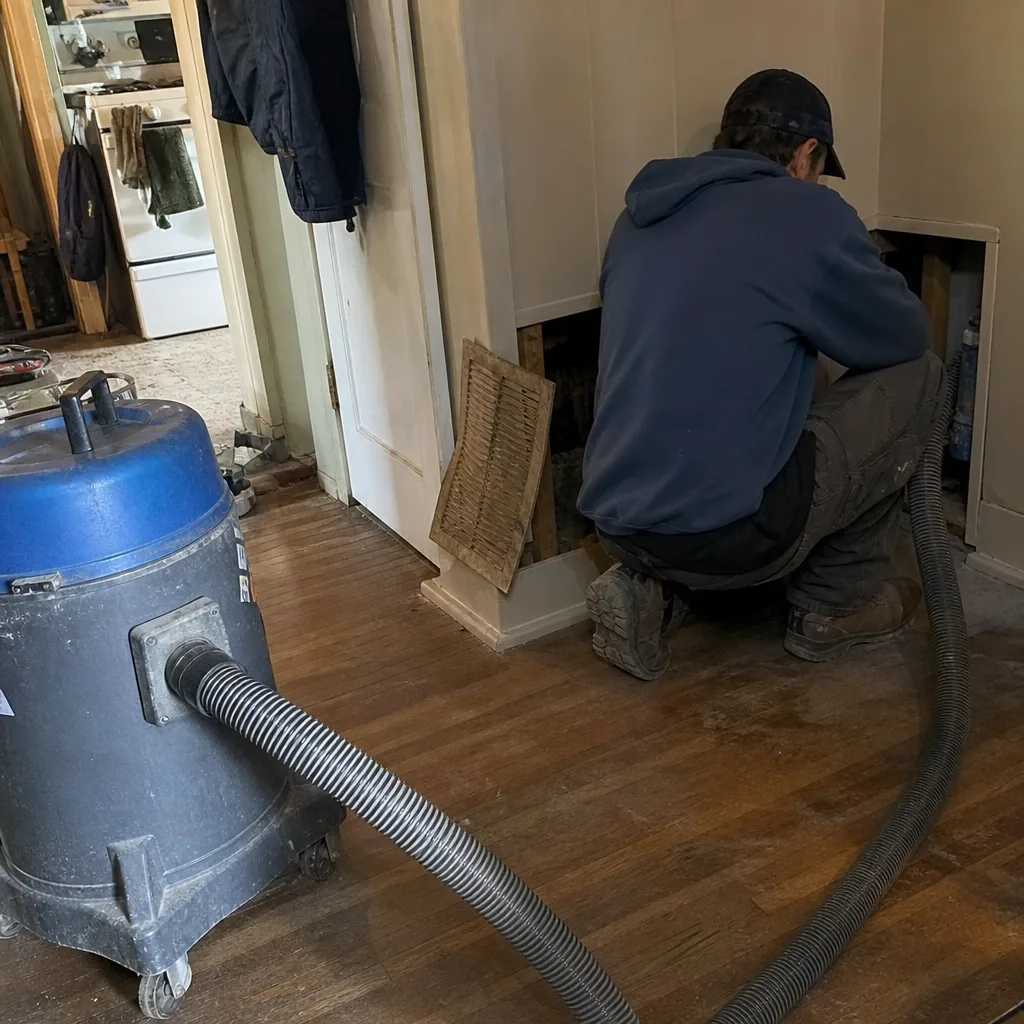 Before
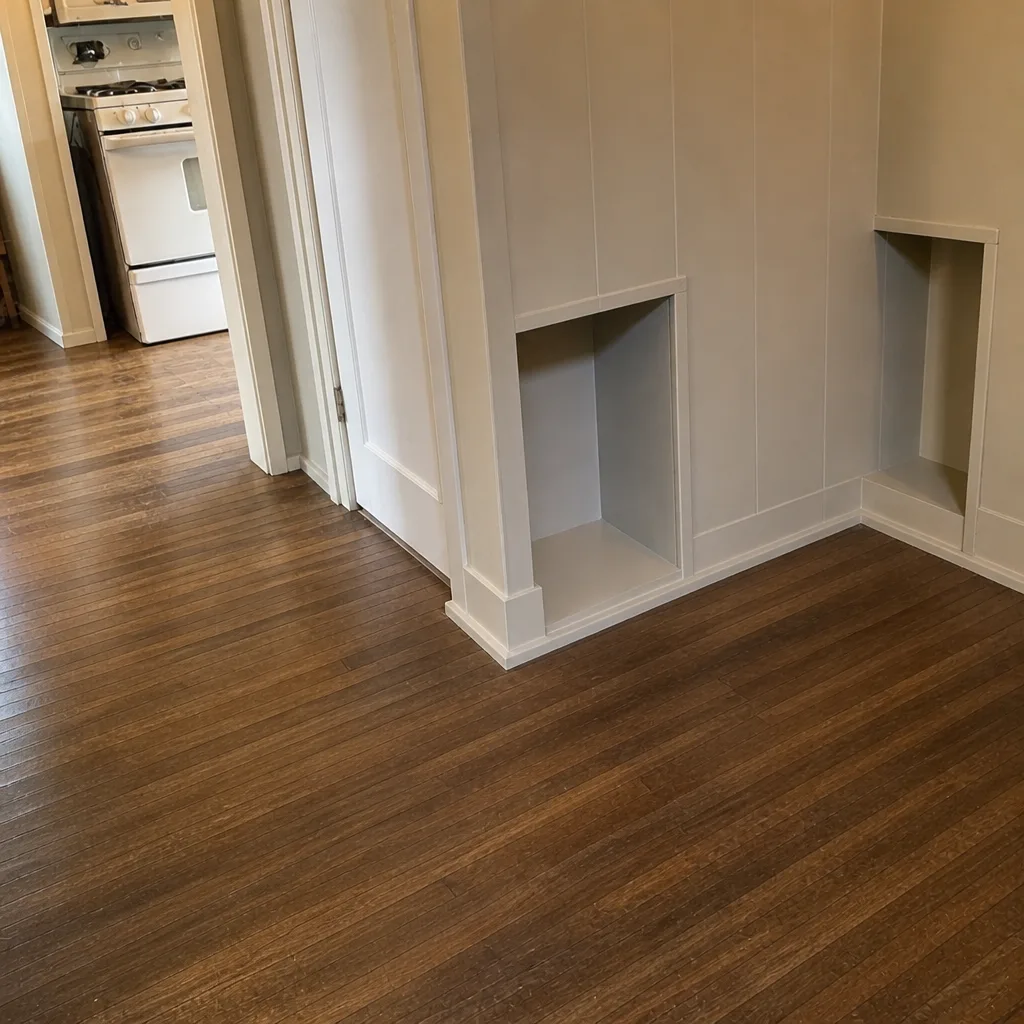 After
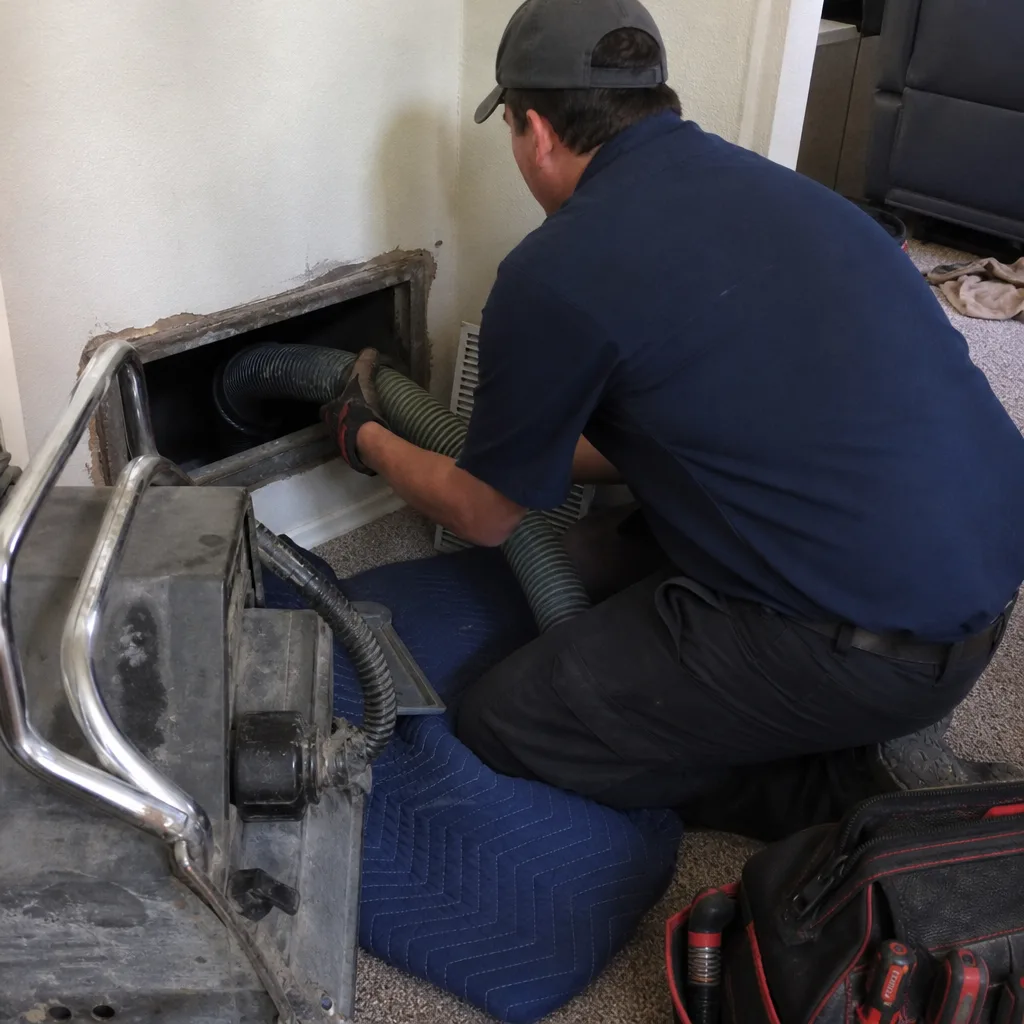 Before
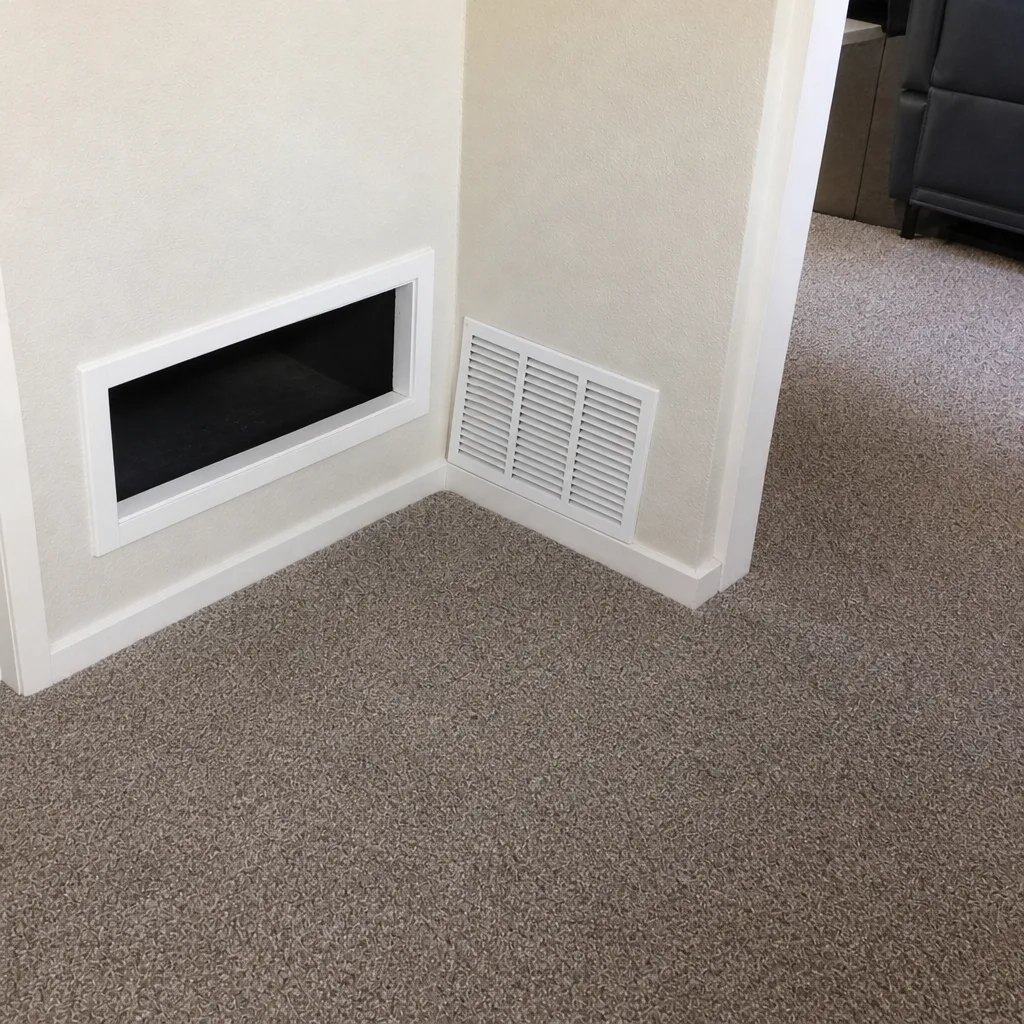 After
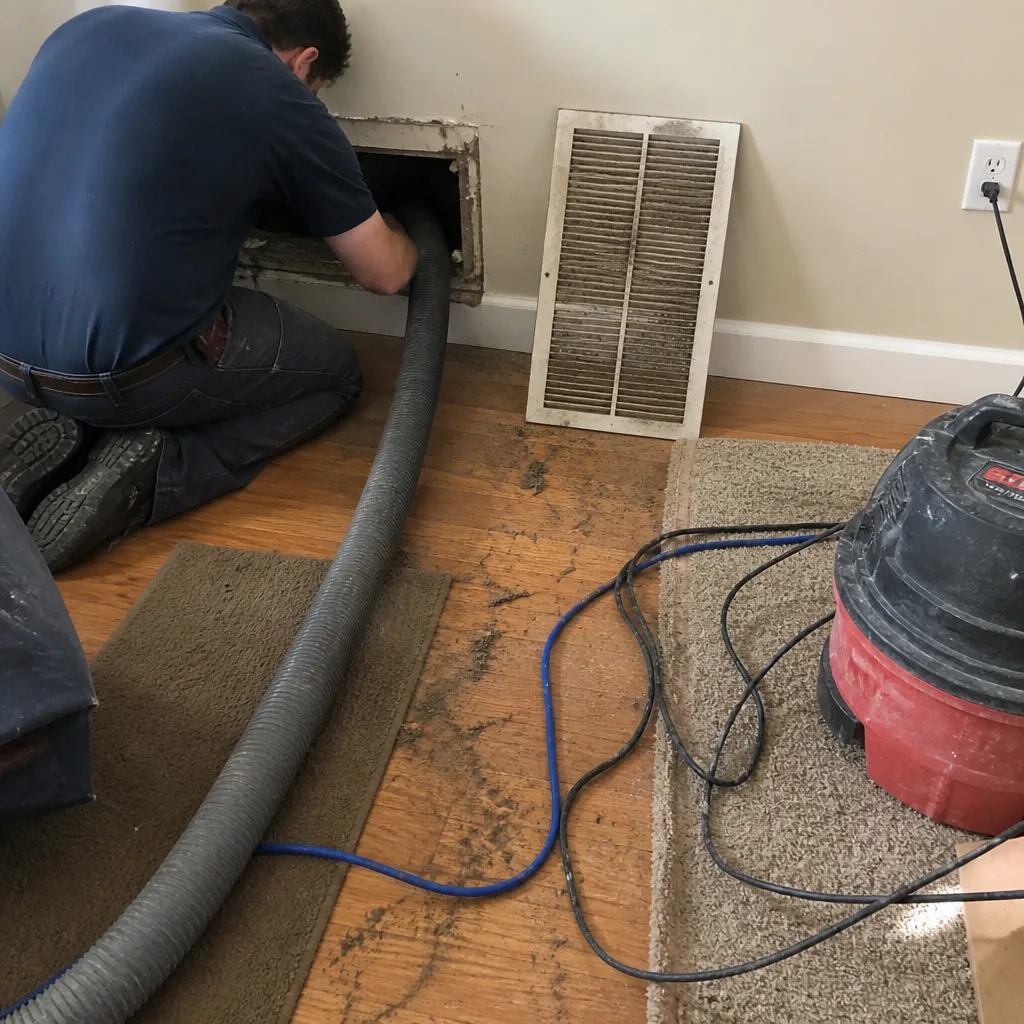 Before
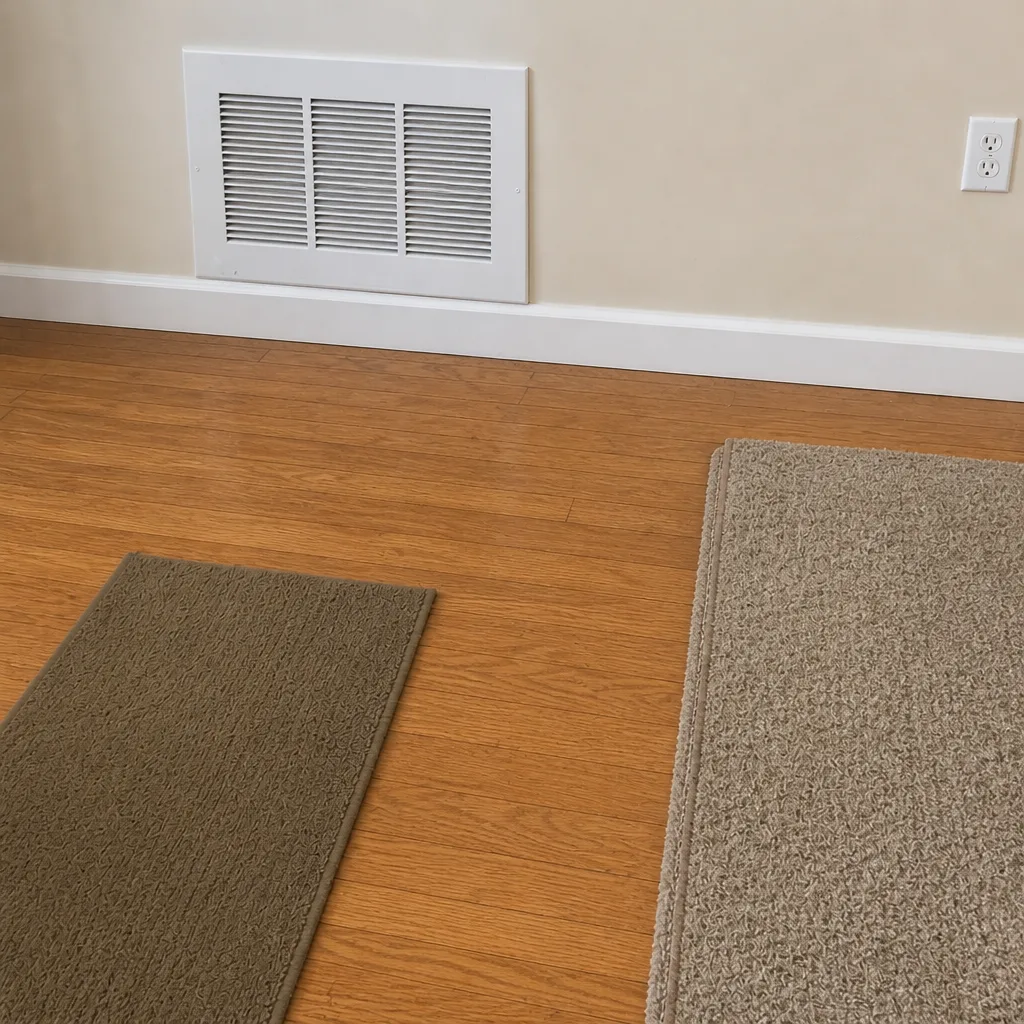 After
Frequently Asked Questions
A shop vacuum can clean the register and the first section of duct immediately behind it, but it can’t generate enough airflow to evacuate debris from the rest of the system. Pushing a brush into a duct without strong negative pressure loosens dust and lets it settle downstream or drift into the air handler. That’s often worse than leaving it alone until a proper cleaning is scheduled. For a real cleaning in Longmont, contact-and-capture equipment is the honest answer. Call (866) 361-9658 for a free estimate.
Visible dust buildup at the registers, musty odors that return after a filter change, uneven airflow between rooms, and a system that hasn’t been cleaned in several years are the main indicators. A proper assessment includes a camera scope or a static pressure reading, because what’s visible at the register doesn’t tell you what’s happening in the trunk lines. We’ll tell you whether a cleaning is genuinely needed before you schedule. Call (866) 361-9658. We answer 24/7.
A dramatically low quote usually means the cleaning covers less of the system, a shorter cleaning protocol, or generic equipment. Per-vent pricing and teaser coupons are common in the industry for exactly this reason, because the low figure stops covering the work once the technician is on site. We agree on one flat price per system before work starts, and the written estimate is what you’ll pay. Call (866) 361-9658 for an honest quote.
Before-and-after photos of your own ducts are the simplest way to verify the job. Any reputable company can provide them for the portions of the system that are accessible for camera. We photograph what we clean, and we walk through the findings before, during, and after the visit. Call (866) 361-9658 for a free estimate.
Most homes benefit from a professional cleaning every three to five years, with more frequent intervals if you have pets, allergies, a recent renovation, or a home with older ductwork that hasn’t been checked. Longmont’s dry winters and dusty spring winds push debris into systems faster than in milder, more humid climates, so the interval often runs closer to the shorter end. If you’re unsure, a professional inspection will give you a real answer. Call (866) 361-9658. Fast dispatch from 7am to 7pm, Sunday through Friday.
Contractor-grade equipment, not consumer vacuums. At minimum, expect a brush-agitation system like Rotobrush paired with a HEPA vacuum like Nikro, plus camera scoping and pressure testing to diagnose what’s actually going on. For homes in Longmont with contamination from mold, renovation work, or water events, Abatement Technologies filtration equipment is the right tool. If a company can’t tell you what equipment they’ll bring to your home, that’s worth taking into account. Call (866) 361-9658 for a free estimate.
The Bottom Line
DIY duct cleaning works for the parts of the system you can reach: the grilles, the filter, the lint screen, the visible surfaces. Past the register boot, it stops being cleaning and starts being wishful thinking, because the equipment can’t generate the negative pressure needed to extract what the brush loosens. Contractor-grade equipment (Rotobrush brush-agitation with Nikro HEPA extraction, backed by Abatement Technologies filtration for contamination scenarios) is what makes the difference. In Longmont, where dry winters and dusty springs push more into the system than in milder climates, a professional cleaning every few years is the pragmatic choice for most homes. We give one flat price per system, agreed before work starts, with before-and-after photos of your own ducts. If you’ve been going back and forth on the decision, this is the moment to get a real answer.
Call (866) 361-9658 for a free estimate. We answer 24/7. Fast dispatch from 7am to 7pm, Sunday through Friday. Duct cleaning, duct repair, and dryer vent cleaning are all handled by the same trained technicians, so one company diagnoses and fixes what they find. We can also install upgraded Honeywell and Aprilaire filtration during the same visit if your filter system is undersized for the ducts. No separate contractors for connected problems, no per-vent pricing, and no surprise invoice at the end.
Written by the team at Duct Cleaning Longmont.