
Last updated November 15, 2026
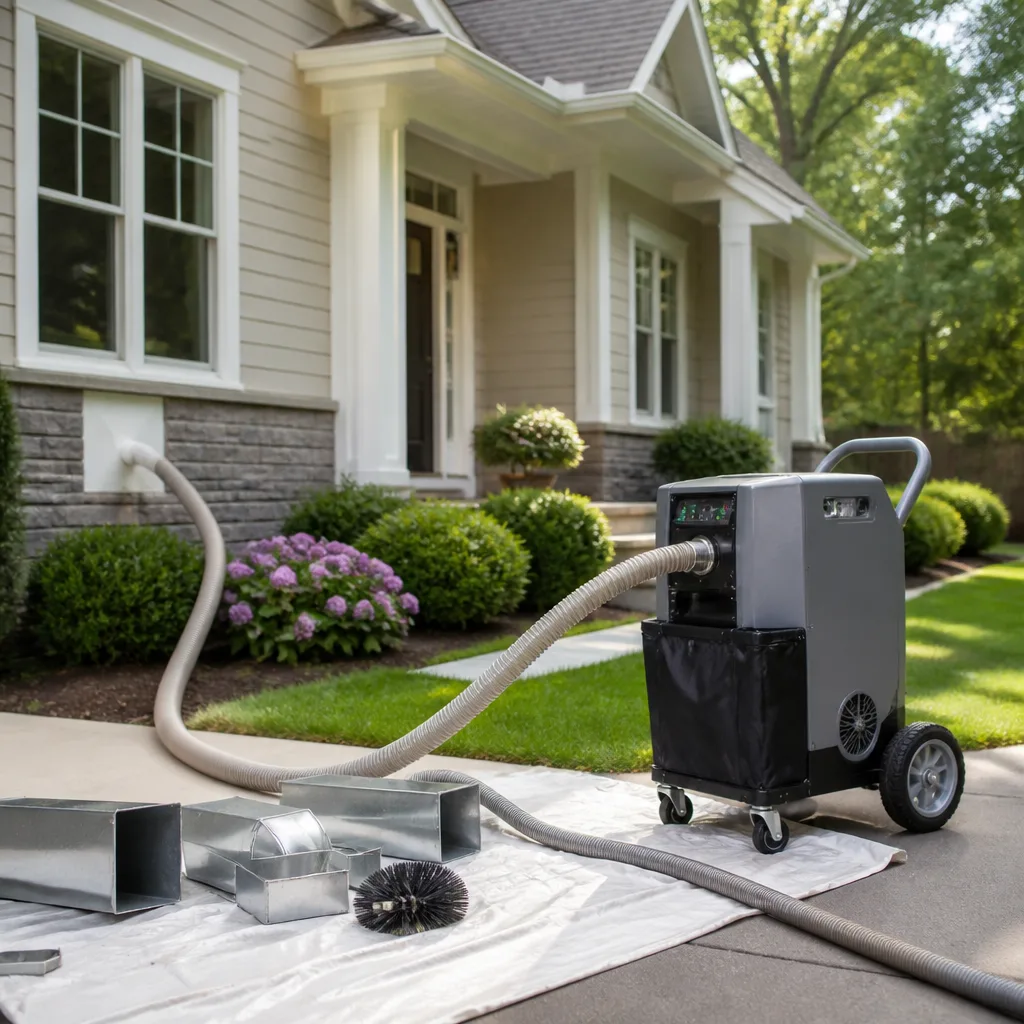 Whole-home duct cleaning
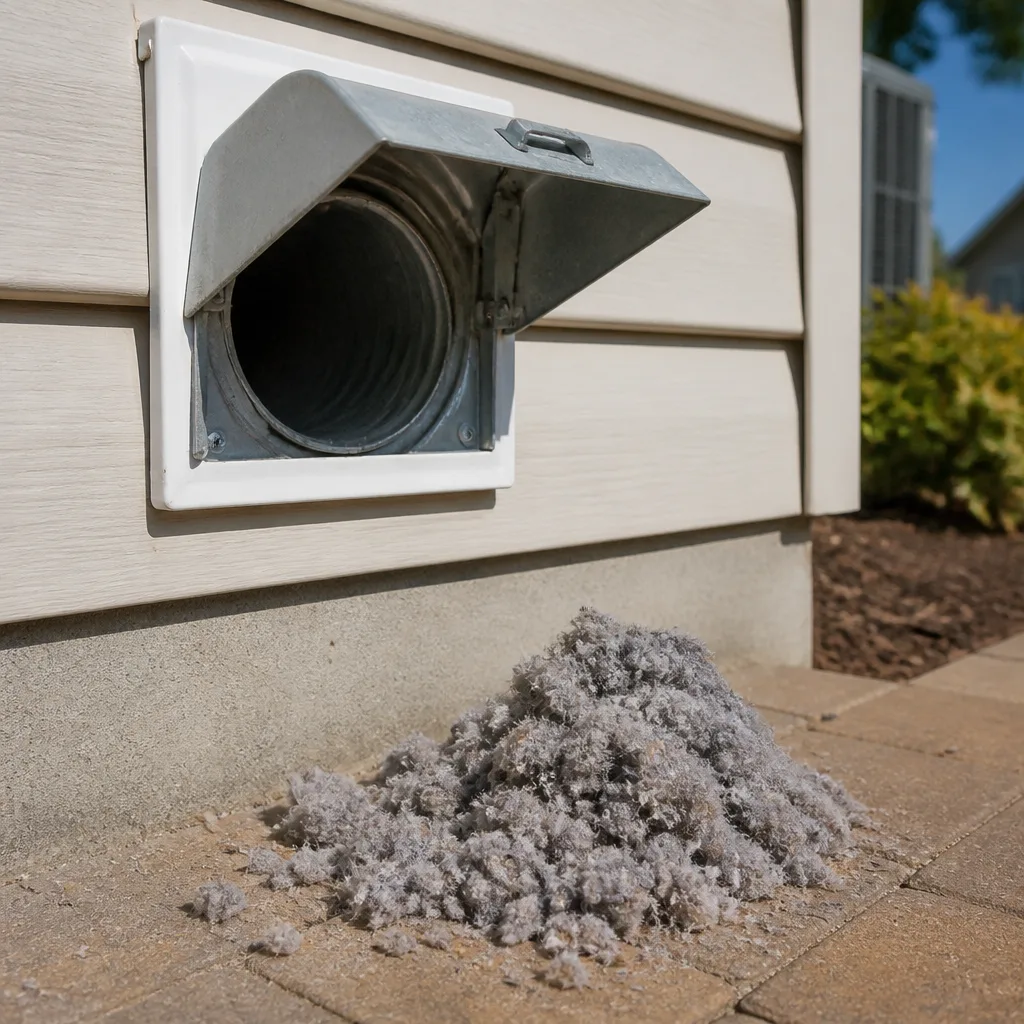 Dryer vent cleaning
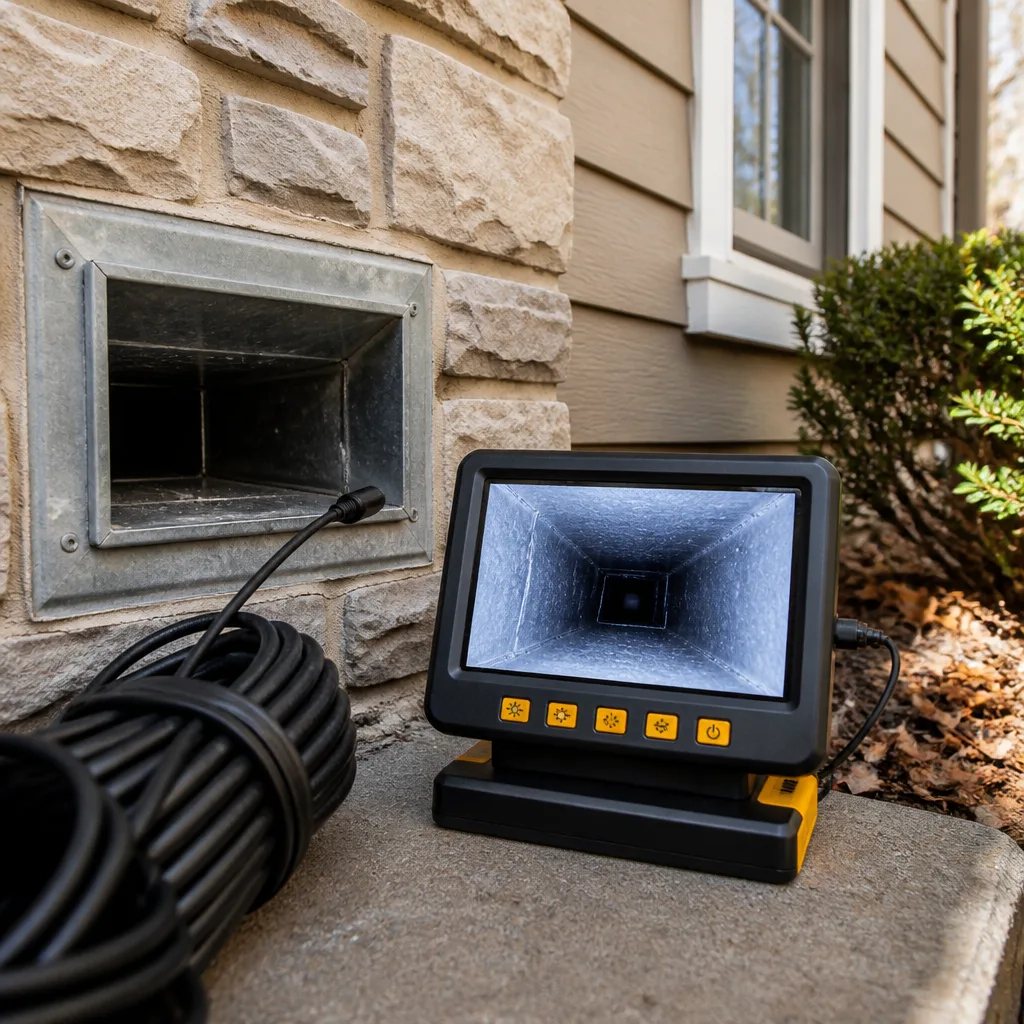 Camera inspection
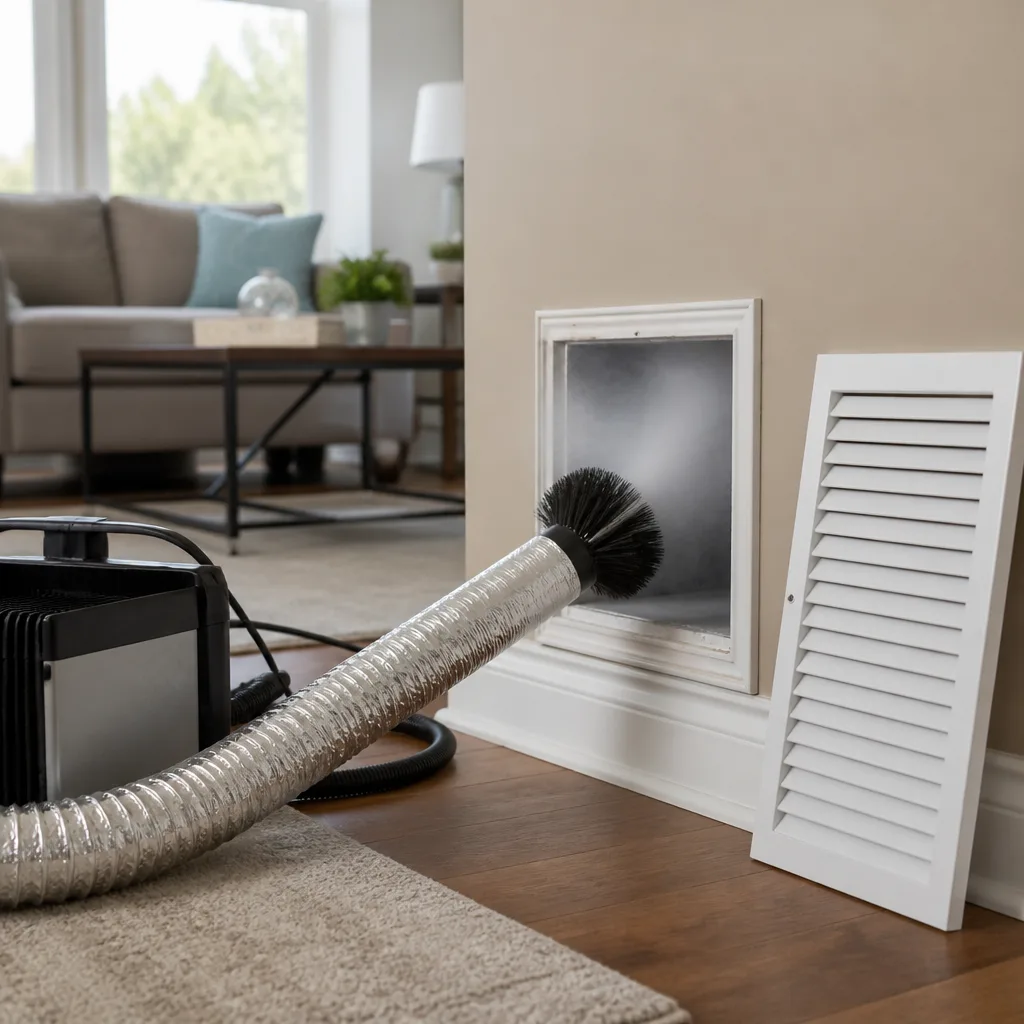 Sanitizing & deodorizing
Whole-system duct and dryer vent check with before-and-after photos - you see exactly what came out of your vents
That "$99 whole-house special" is a bait ad - the real number appears once they are in your hallway, or the "clean" is a shop-vac at the register. We photograph the inside of your ducts before and after instead.
Choosing the Right Air Duct Cleaning Brand: A Buyer’s Guide for Longmont
Two contractors both call themselves duct cleaning specialists. One runs a Rotobrush BrushBeast with a HEPA collection unit. The other runs a shop-vac with a flex brush. The quote difference might be a couple hundred dollars. The performance difference is the entire system, and it shows up in what stays in your ducts after the job is “done.” Most homeowners pick a duct cleaner by scanning reviews or comparing two prices. That approach misses the single factor that actually determines results: what equipment gets driven into the driveway. In this guide, we walk through how to identify which method and machine a Longmont contractor actually runs, why brush-and-vacuum and negative-pressure systems suit different jobs, and how to ask the right questions before you book.
Quick Answer
The right air duct cleaning brand for your Longmont home is the one whose equipment matches your duct type and contamination level, and who can name the make and model of their primary vacuum unit. Look for a contractor running contractor-grade gear like Rotobrush brush-agitation systems paired with Nikro HEPA extraction, not a consumer shop-vac kit. Confirm the method, ask about HEPA filtration on the extractor, and verify they can repair what they find rather than just flag it.
Styles & brands we work with
- Whole-home duct cleaning
- Dryer vent cleaning
- Camera inspection
- Sanitizing & deodorizing
Table of Contents
- Why the Equipment Brand Matters More Than the Company Name
- Brush-and-Vacuum vs. Negative-Pressure: Matching the Method to Your Ducts
- What HEPA Filtration on the Extraction Unit Actually Protects
- How to Evaluate a Longmont Contractor Before Booking
- What Equipment Investment Signals About a Contractor’s Business Model
- Why Full-System Scope Beats Piecemeal Cleaning
- Reading Your Home’s Airflow and Odor Signals
- The Upgrade Path: From Clean Ducts to Better Filtration
Why the Equipment Brand Matters More Than the Company Name
Most homeowner conversations about Duct Cleaning Longmont start with the same question: which company is best? A better first question is which machine shows up. The company name on the invoice tells you almost nothing about how thoroughly your ducts get cleaned. The equipment roster tells you nearly everything. A contractor running Rotobrush and Nikro systems has invested in tools designed for full-system cleaning, with brush agitation and HEPA capture built into the workflow. A contractor running generic consumer gear is running a fundamentally different operation, even if both use the word “specialist.”
Here’s why this matters so much for a Longmont home. Longmont sits in a high-plains climate with dry winters, windy spring afternoons, and a heating season that keeps the system cycling hard for months. Dust, pollen, and construction debris accumulate inside a duct system differently than they would in a humid climate, and they get pushed through the full return-to-supply loop every time the furnace or AC kicks on. A vacuum that only pulls from the trunk line without agitation leaves the settled layer on the duct walls untouched. That layer is the part that keeps releasing particulate into the air. Rotobrush brush heads and Nikro extraction are built to dislodge and capture that settled layer, not skim the top of it.
Ask what the primary vacuum unit is. If the answer is vague, the answer is telling. A capable contractor knows the make, model, and output of their extractor because it sets the price of the equipment and the performance of every job. A contractor who can’t name it is likely running a system that punches far below the label on the truck.
- Ask for the machine by name. Rotobrush, Nikro, Abatement Technologies, and Guardsman are recognizable names in the trade. “Professional equipment” is not.
- Ask about HEPA on the extractor. Not just a HEPA filter on the vacuum, but a sealed HEPA collection unit that captures the fine fraction before it returns to the room.
- Ask what happens between the brush pass and the final vacuum pass. Contact-and-capture means agitation followed by extraction, not one or the other.
Brush-and-Vacuum vs. Negative-Pressure: Matching the Method to Your Ducts
Two cleaning methods dominate the residential market, and the best Longmont contractors run both. Brush-and-vacuum systems, the category Rotobrush lives in, send an agitating brush head through the ductwork and pair it with a HEPA collection vacuum. The brush physically dislodges debris from the duct wall, and the vacuum captures it in one pass. This is contact-and-capture cleaning. It’s the right approach for most residential sheet-metal and flex duct systems in Longmont homes, because the agitation is what breaks the settled layer loose in the first place.
Negative-pressure systems, the category Nikro and Abatement Technologies equipment belongs to, hold the entire duct system under suction throughout the job. Every supply and return register is hooked up, the unit pulls a continuous vacuum on the system, and any dislodged material flows toward the collection point. These systems are essential when contamination is heavy or the environment needs to stay contained: mold-affected systems, post-renovation fallout, or jobs requiring clearance cleaning after remediation work. Abatement Technologies air-filtration equipment is the same category of gear used in professional remediation, which is why it shows up on jobs where standard cleaning would just relocate the contamination.
Which method do you want for your Longmont home? It depends on three things: duct material, contamination level, and what got into the system. Most routine air duct cleaning jobs are best served by brush-and-vacuum. Jobs where the system has seen water damage, renovation dust, or long-term neglect call for negative pressure, often combined with brush agitation. A contractor who only offers one method will use it whether or not it fits.
- Confirm duct material. Flex duct, rigid sheet metal, and trunk-and-branch layouts behave differently under a brush head. The right brush stiffness and speed get set accordingly.
- Describe what drove the call. Allergy flare-ups, musty odors, post-renovation dust, or just years without service all point to different equipment needs.
- Ask which method fits and why. A contractor who can explain the choice is running the right system. A contractor who quotes the same method for every house is not.
What HEPA Filtration on the Extraction Unit Actually Protects
Every duct cleaning job dislodges particulate. The question is where that particulate goes. A non-HEPA extraction unit pulls debris out of the ducts and exhausts the fine fraction straight back into your living space. That means the visible dust ends up in the collection bin, but a meaningful share of the sub-micron particulate gets re-released into the room air. If the whole point of the service was to get allergens and fine dust out of circulation, a non-HEPA exhaust undercuts the job during the job.
HEPA filtration on the extraction unit captures particulate down to 0.3 microns at 99.97% efficiency, and that capture happens at the vacuum, before anything exhausts. Rotobrush and Nikro HEPA systems are engineered for this, and it’s a specific reason they cost more than general-purpose shop vacuums. For a Longmont household dealing with allergy symptoms, asthma, or a family member with a compromised respiratory system, this detail is not a marketing line. It’s the difference between removing contamination and redistributing it.
The same principle applies to Abatement Technologies air-filtration equipment on jobs where contamination levels are elevated. During mold-affected or post-remediation work, an air scrubber holds the room under filtered negative pressure, and the fine particulate that would otherwise settle back onto surfaces stays contained until the job is done. Many contractors don’t run this equipment because it’s specialized and costly. On jobs where it’s warranted, its absence is obvious to anyone who knows what to look for.
- HEPA on the extractor captures fine particulate before it can exhaust back into the room.
- HEPA on an air scrubber contains ambient particulate during elevated-contamination jobs.
- No HEPA anywhere means fine dust recirculates into the same rooms the customer was trying to clean.
How to Evaluate a Longmont Contractor Before Booking
The right questions separate a contractor-grade operation from a consumer-grade one in about five minutes on the phone. Most homeowners don’t ask them because they assume all duct cleaners run comparable equipment. They don’t. And that difference is exactly what determines whether the job actually fixes the problem the homeowner called about. Here’s the sequence we recommend for any Longmont homeowner evaluating a quote.
- Ask for the make and model of their primary vacuum unit. A capable contractor names it without hesitation. If the answer is “a professional-grade unit,” ask again and be specific.
- Cross-reference the manufacturer’s published specs. Rotobrush, Nikro, and Abatement Technologies all publish their equipment details. A quick search tells you whether the unit is contractor-grade or consumer-grade.
- Ask which cleaning method they use and how they decide. Brush-and-vacuum and negative-pressure solve different problems. A contractor who can explain the choice is matching method to job.
- Ask about HEPA filtration on the extraction unit. Not just whether they own a HEPA filter, but whether the primary extractor runs sealed HEPA capture.
- Ask what happens if they find damaged ductwork or a disconnected joint. A cleaner who flags problems and can’t fix them leaves you calling a second contractor. Look for one who does dryer vent cleaning and duct repair as part of the same job scope.
- Ask for a walk-through of what the process looks like in your home. Before-and-after photos of your own ducts are the standard, not a bonus.
Notice what isn’t on this list: online reviews and how many years the company has been around. Reviews tell you about customer service interactions. They don’t tell you what equipment gets used. Company age tells you nothing about current equipment or current capacity. The most useful information a Longmont homeowner can gather before booking is technical, not social.
What Equipment Investment Signals About a Contractor’s Business Model
A contractor-grade truck-mount or full-system cleaning rig represents a substantial capital commitment. Rotobrush and Nikro systems are built for the throughput, capture rate, and durability required to run professional duct cleaning at volume. When a contractor owns this category of equipment, they’ve committed to doing full-system work as their core business, not as an add-on to something else. That investment shows up in the workflow: proper register-by-register coverage, sealed collection, and the willingness to spend the time the job actually requires.
A consumer shop-vac with a brush attachment sits at the opposite end. It’s fine for a single vent or a quick trim around a register, but it doesn’t generate enough suction or contain enough filtration to clean a full duct system. The operator running one isn’t doing the same job with cheaper tools. They’re doing a fundamentally different job. The gap isn’t one of degree, it’s a difference in category.
For a Longmont property manager with several units, or a homeowner with a complex duct layout, this distinction matters because the wrong equipment can’t be compensated for by working harder. If the machine can’t agitate and capture the settled layer, extra time on the job just moves dust around. What you actually get out of a quote is a simple read on capability: if the contractor’s stated equipment is in the same category as what shows up at your door, the job will meet the standard. When the equipment story is vague, the price is the only thing being negotiated.
- Full-system rigs signal a full-service business model, with the throughput and containment built in.
- HEPA extractors signal a contractor who plans for the indoor air quality consequences of the cleaning job itself.
- Multi-brand inventory (Rotobrush, Nikro, Abatement Technologies, Aprilaire, Guardsman) signals a contractor who tailors equipment to the job instead of running one tool for every scenario.
Why Full-System Scope Beats Piecemeal Cleaning
A duct system is one connected assembly from return grille to supply register. Cleaning part of it and leaving the rest untouched creates a specific problem: debris gets redistributed to the untouched section during the next few heating cycles, and the homeowner pays for a job that doesn’t hold. The same logic applies to repair and dryer-vent work. If a duct run is disconnected or crushed somewhere along the way, cleaning upstream of the break does nothing for the airflow reaching the room. If the dryer vent is clogged or has a damaged transition, no amount of register cleaning will help the dryer dry.
This is why we handle air duct cleaning, air duct repair, and dryer vent cleaning as one operation. When the technician finds a disconnected joint or a crushed flex section, they can repair it during the same visit rather than leaving it as a note for a follow-up contractor. For Longmont homes built in the last few decades, flex duct in retrofits and remodels is common, and crush points behind cabinetry or above ceiling drywall are a frequent discovery. Repairing those joints during the cleaning pass turns a “clean but underperforming” system into one that actually moves air.
Ask your contractor how they handle repairs they discover mid-job. A contractor whose only tool is a vacuum has to hand you off to someone else. A contractor who runs the full scope finishes the job correctly.
Reading Your Home’s Airflow and Odor Signals
Duct cleaning decisions usually start with a symptom. That symptom is a data point about what’s inside the system and what equipment will be needed to resolve it. Below is how we read the most common signals in Longmont homes and what each one points to.
- Allergy flare-ups that worsen when the system cycles on. Usually points to accumulated settled particulate in supply runs, especially post-return-joint. Brush-and-vacuum with HEPA capture is the routine answer.
- Musty or stale odors when the furnace starts. Often points to organic growth in the return plenum or a section that has seen moisture. Negative-pressure with air filtration handles this reliably.
- Uneven airflow between rooms. Frequently a duct problem, not an airflow setpoint problem: crushed flex, disconnected joints, or a damper stuck in the closed position. Repair during cleaning resolves more of these than a cleaning alone.
- Visible dust settling quickly after cleaning. Points to a duct system that was skim-cleaned or that has a leak reintroducing dust from unconditioned space.
- Dryer taking longer than one cycle. Points to dryer vent cleaning and a check of the transition duct and exterior vent termination.
If more than one signal is present, that usually means the contamination has spread through the full connected system, and the job needs to cover the whole system rather than a partial run. That’s a scope question, and it’s another area where the equipment matters: a full-system rig can process every register in one visit without cutting corners.
The Upgrade Path: From Clean Ducts to Better Filtration
Cleaning the ducts gets the system to a neutral baseline. What happens next determines how long that baseline holds. Longmont’s dry climate, windy spring dust, and long heating season mean a clean system can reaccumulate settled particulate faster than a homeowner expects, especially if the return filter is underperforming. That’s where the filtration side of the job comes in.
Honeywell and Aprilaire filtration and IAQ products install at the return or in-line with the system to capture a much finer fraction of airborne particulate than a standard fiberglass filter. A contractor who can install these products as part of the same visit turns a cleaning job into a system upgrade. For homeowners whose duct cleaning was triggered by allergy symptoms or ongoing dust complaints, adding proper filtration is often the step that makes the cleaning job actually stick.
Look for a contractor authorized to supply and install Honeywell and Aprilaire IAQ products, and who can talk about filter ratings (MERV) in plain terms. The upgrade path is straightforward: clean the ducts, repair what’s broken, and install filtration that keeps the system clean going forward. One visit, one scope, one contractor responsible for the outcome. That’s the practical advantage of looking at the full system instead of buying pieces of it.
Common Mistakes to Avoid
- Booking by price alone. A quote in the low hundreds almost always signals consumer-grade equipment or a partial-system scope. The performance gap is real, and it shows up in the air quality inside the home.
- Trusting “specialist” as a technical term. Any company can call itself a specialist. Ask for the machine name, not the marketing title.
- Ignoring what happens to the exhaust air. Non-HEPA extractors re-release fine particulate into the same rooms being cleaned. Ask specifically about HEPA capture on the extractor.
- Assuming reviews measure equipment. Online reviews describe scheduling and customer service, not whether a Rotobrush BrushBeast or a shop-vac showed up. The two are different jobs.
- Skipping the duct repair question. In Longmont homes with retrofit flex duct, crushed or disconnected runs are common. A cleaner who can vacuum but not repair leaves the actual problem in place.
- Treating dryer vent cleaning as an afterthought. A blocked or damaged vent adds drying time, wastes energy, and can become a fire hazard. Ask whether it’s part of the same service call.
- Not asking for before-and-after photos of your own system. A verifiable job comes with documentation of what the ducts looked like before and after. If photos aren’t offered, ask.
See the difference
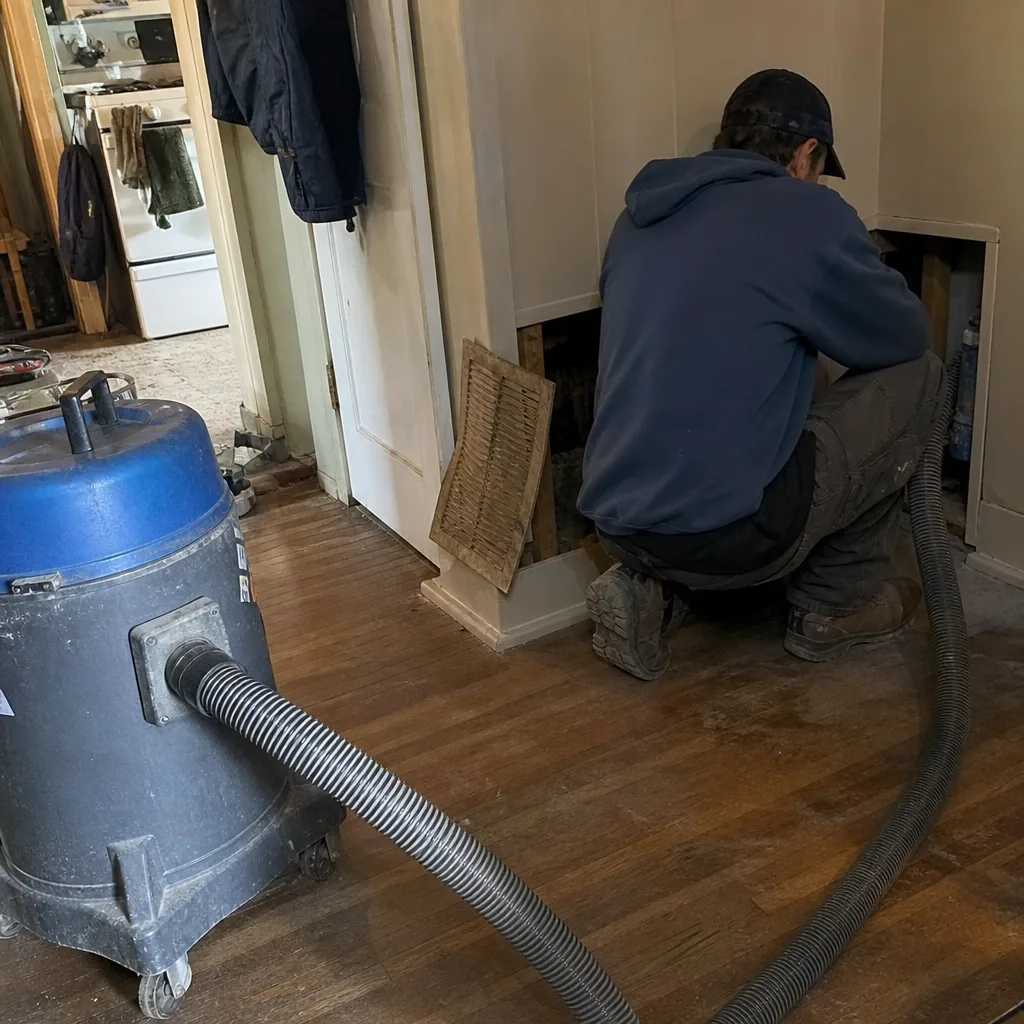 Before
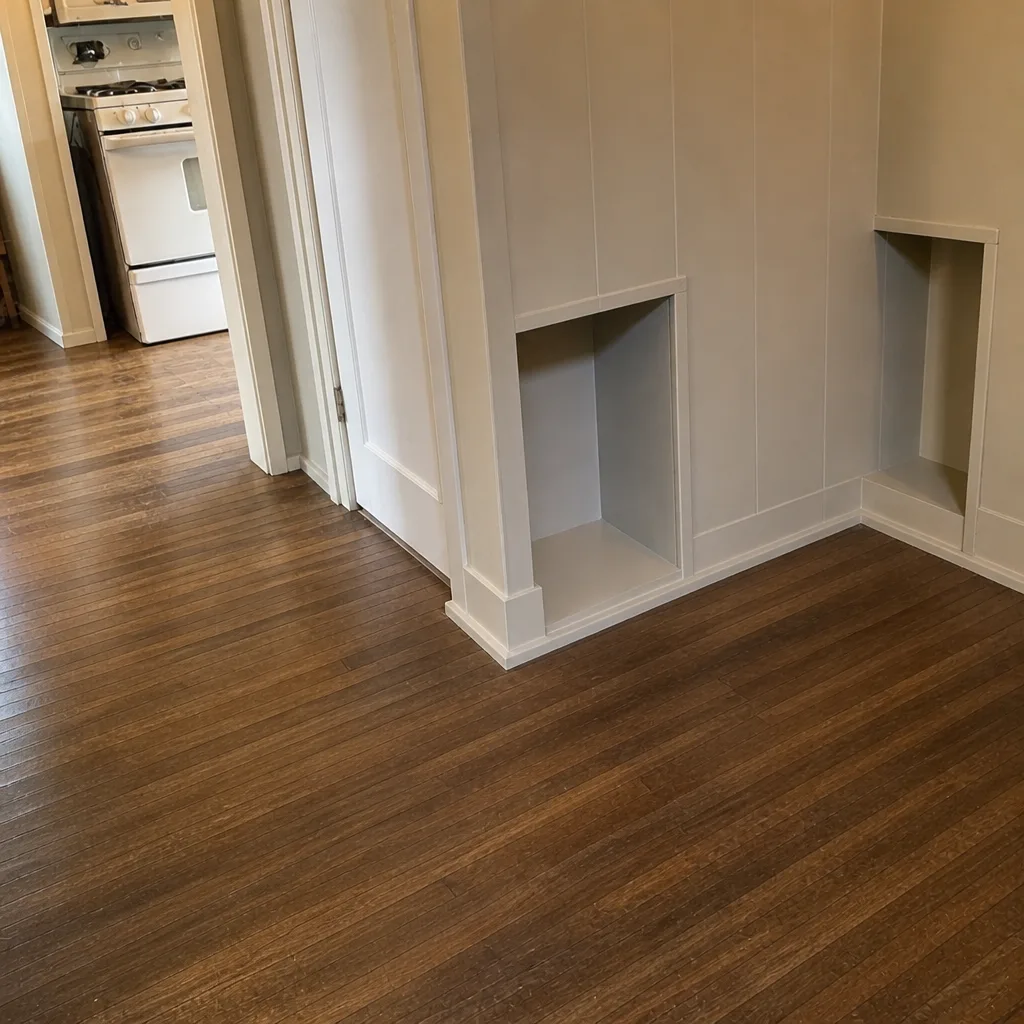 After
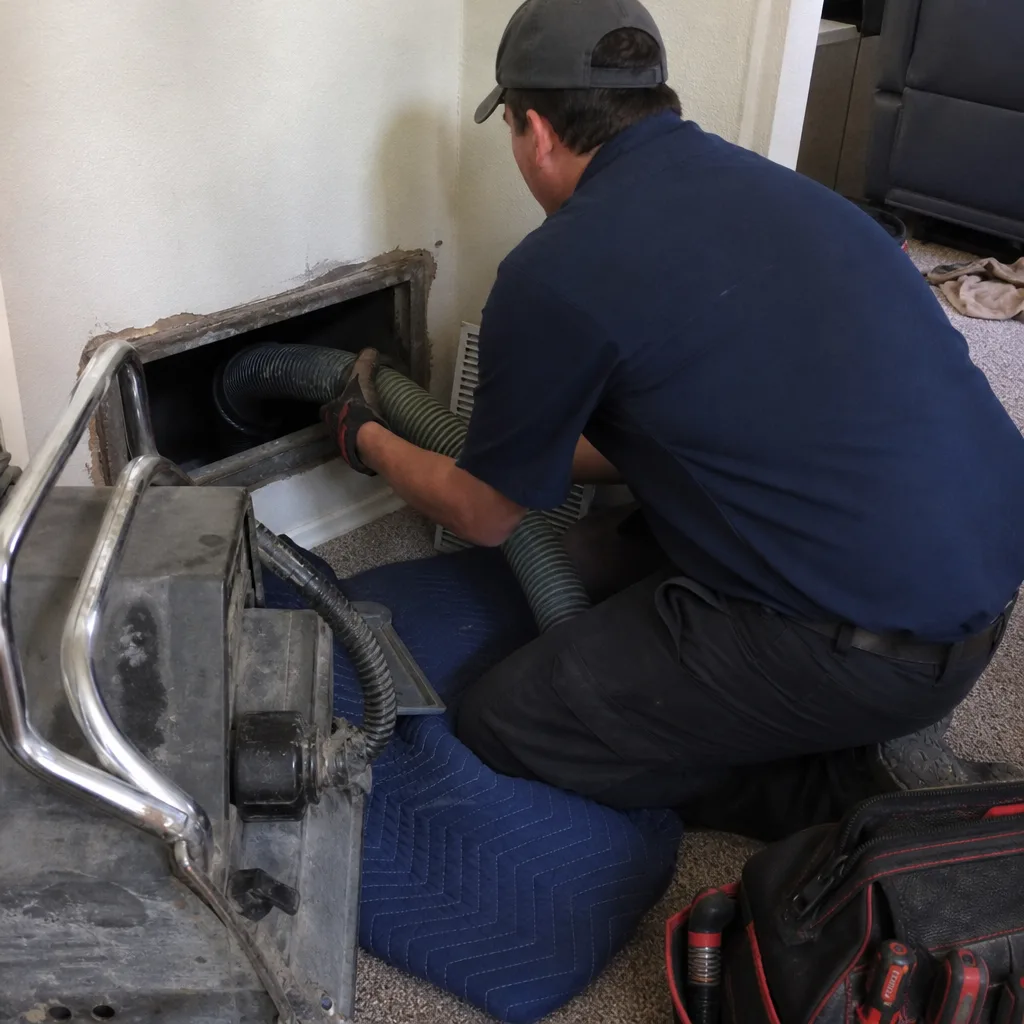 Before
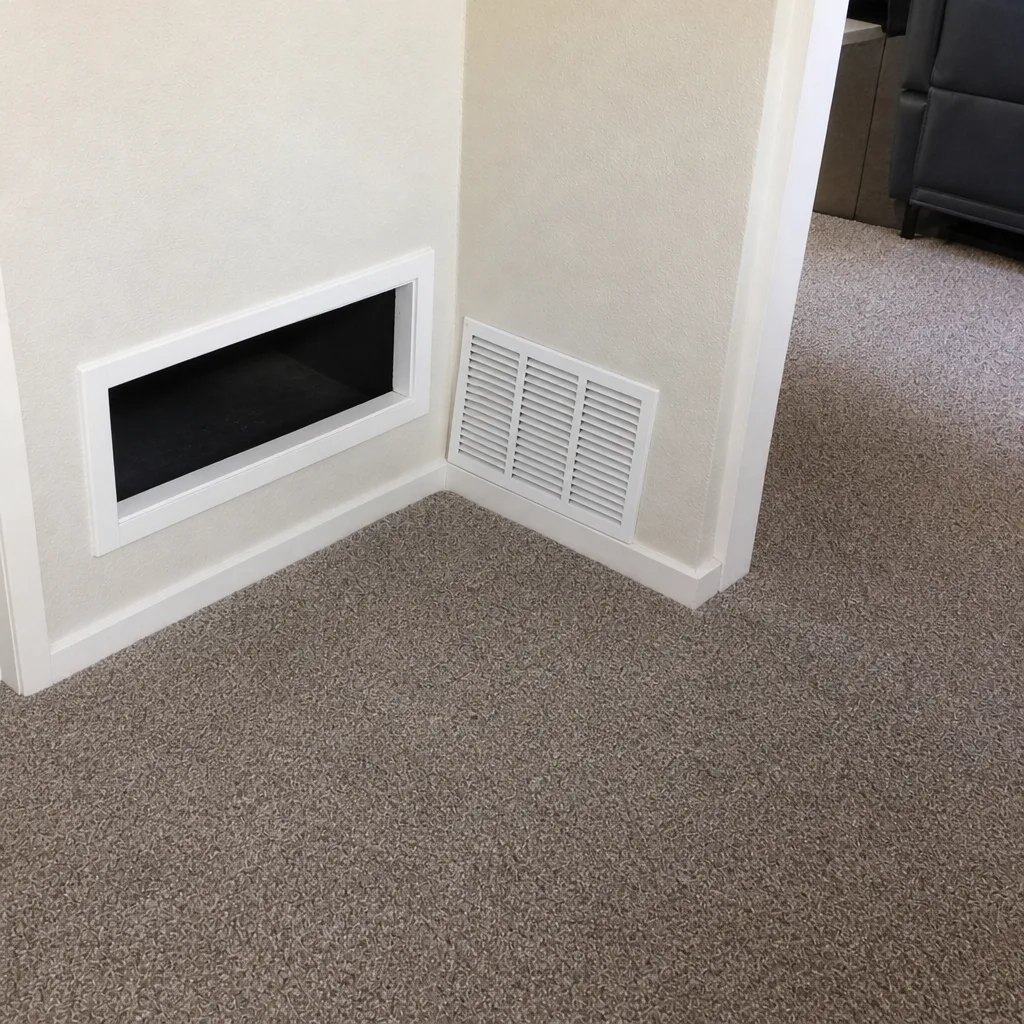 After
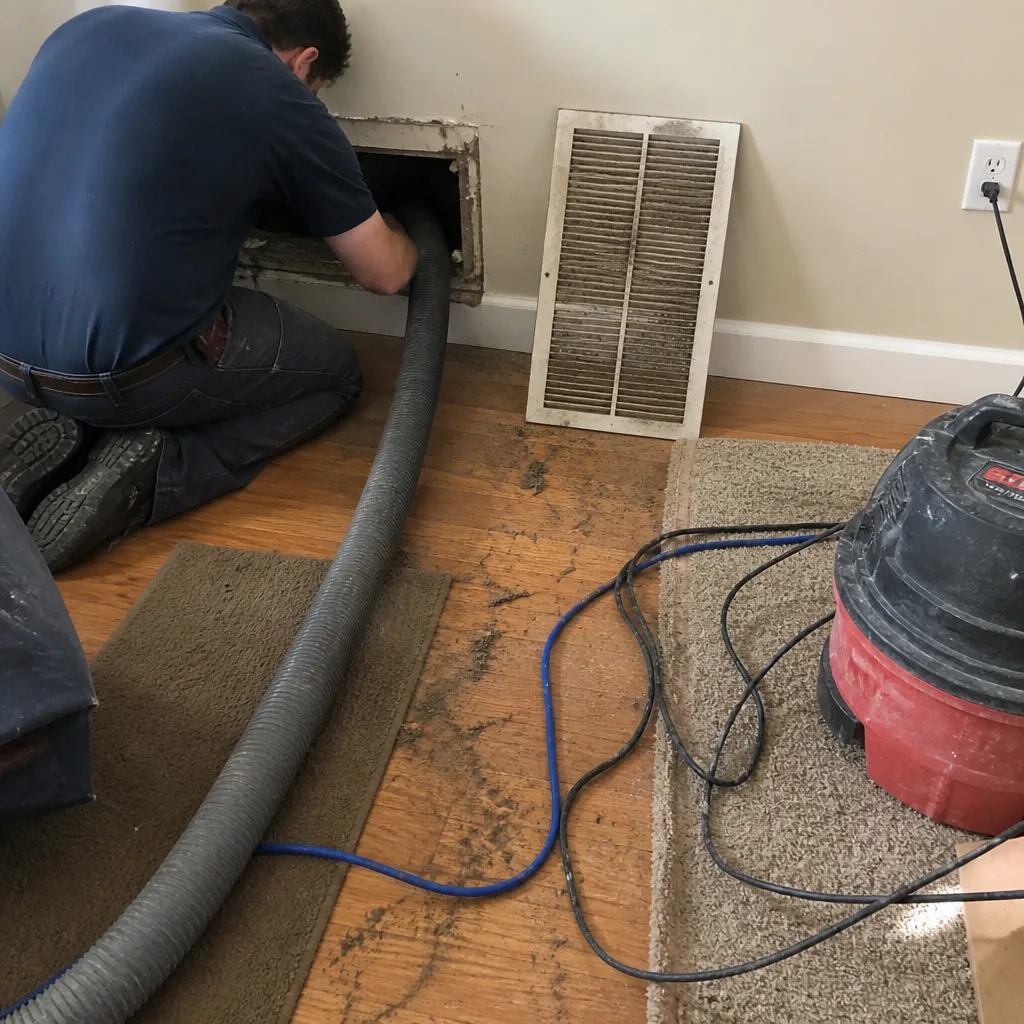 Before
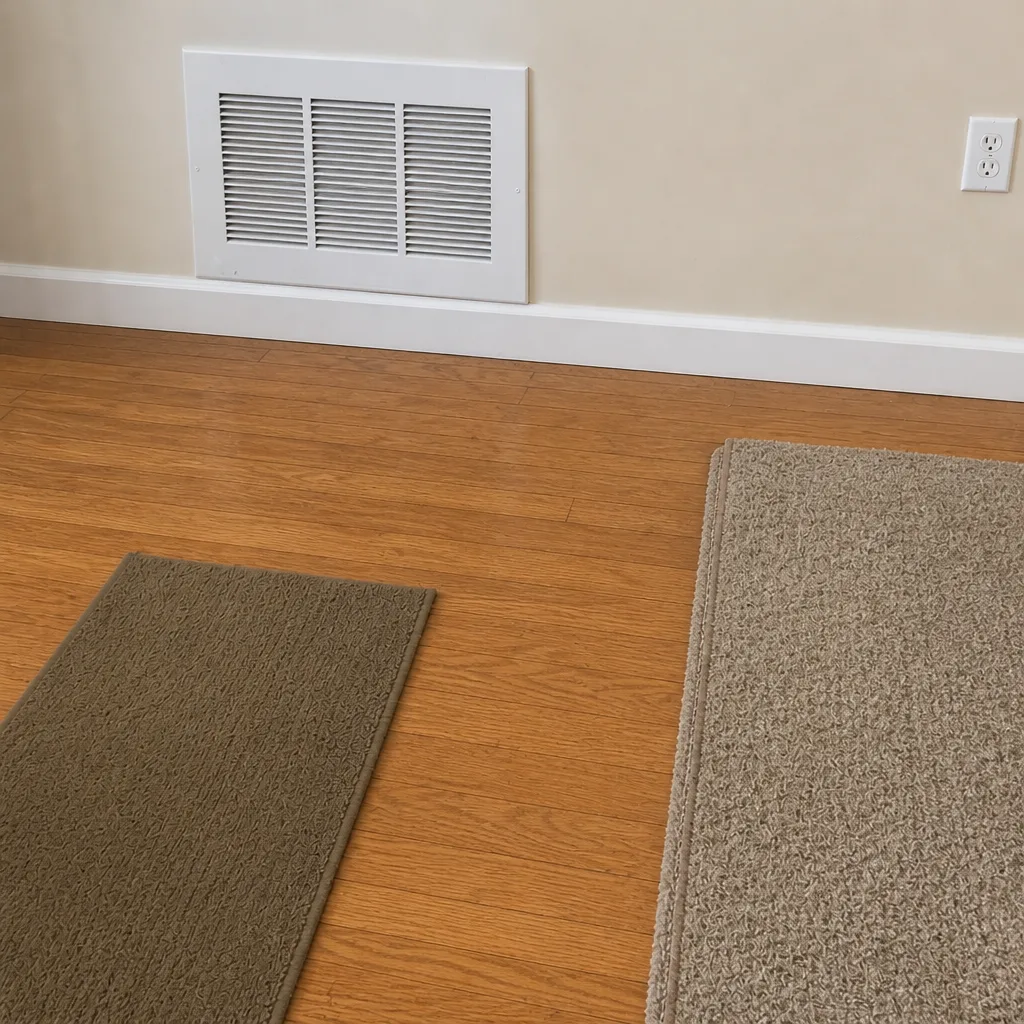 After
When to Call a Professional
Not every dusty register needs a full cleaning. But specific situations call for a contractor-grade visit rather than a wait-and-see approach. If you’ve noticed recurring allergy symptoms that worsen when the system cycles on, call. If there’s a musty smell when the heat kicks in, call. If airflow is uneven between rooms, or the dryer is taking two cycles instead of one, those are signs the system has a specific problem your equipment can’t diagnose from the outside. Same goes for a home that has just come through renovation, water damage, or years without service: the contamination load is likely beyond what a filter change can address. Duct Cleaning Longmont offers free estimates in Longmont. Call (866) 361-9658 to schedule. We answer 24/7. Fast dispatch from 7am to 7pm, Sunday through Friday.
Frequently Asked Questions
Air duct cleaning in Longmont typically runs in the range that reflects full-system, contractor-grade work: allowance for the equipment, the register count, and whether repairs are needed mid-job. Quotes that come in far lower almost always reflect a consumer-grade vacuum and a partial-system pass. The written estimate sets the final price, and it should be based on an in-person assessment of your system, not a phone quote. Call (866) 361-9658 for an exact quote. Estimates are free.
Because they’re quoting a different job. A cheaper quote usually reflects one of three things: consumer-grade equipment instead of a professional rig like a Rotobrush or Nikro system, a partial-system scope that only covers the main trunk rather than every register, or no HEPA capture on the exhaust, which means fine particulate gets re-released into the home during the job. Those aren’t discounts on the same service. They’re a lower category of service. Call (866) 361-9658 for a quote based on the actual equipment and scope. Estimates are free.
Ask for before-and-after photos of your own ducts, taken inside the system at multiple points. A contractor with the right equipment can document exactly what the ducts looked like at the start and at the end of the job. Ask for this when you book, not after. Call (866) 361-9658 to schedule. Estimates are free.
Most Longmont homes do fine with cleaning every few years (typically every 3 to 5 years for a typical household, more often if there are pets, allergy concerns, or recent renovation dust). Homes with a family member who has asthma or allergies often benefit from a shorter interval. If your system has never been cleaned, start with an assessment before setting a schedule. Call (866) 361-9658 for an estimate. Estimates are free.
Cleaning the ducts removes accumulated particulate from the system, which reduces what gets circulated into the room on every heating and cooling cycle. For a household where symptoms worsen when the system cycles on, that’s the direct mechanism. The result holds best when the ducts are cleaned with HEPA capture and paired with a proper filter at the return. Call (866) 361-9658 to talk through your system. Estimates are free.
Brush-and-vacuum uses an agitating brush head plus a HEPA extractor to physically dislodge and capture settled debris; it’s the right routine method for most residential systems. Negative-pressure holds the whole duct system under suction with a contractor-grade extractor, and it’s the method of choice for elevated contamination like mold, renovation fallout, or post-remediation work. Many jobs benefit from both methods used together. Call (866) 361-9658 for a scope assessment. Estimates are free.
The Bottom Line
The right duct cleaning brand isn’t the one with the strongest marketing, the biggest review count, or the longest history. It’s the one whose equipment matches your duct type and contamination level and whose contractor can name what’s coming into your home. Rotobrush brush-agitation paired with Nikro HEPA extraction is the standard for routine residential work in Longmont. Abatement Technologies negative-pressure and air-filtration gear belongs on jobs where contamination runs deeper. Honeywell and Aprilaire filtration finishes the job so it holds. Ask the make and model, confirm the method, check for repair capability, and require before-and-after photos. That’s the entire buying decision.
Ready to Book a Duct Cleaning in Longmont?
Duct Cleaning Longmont runs contractor-grade equipment for air duct cleaning, air duct repair, and dryer vent cleaning across the Longmont area. Every estimate is free and gets set per job in writing, so you know the price before work starts. We answer 24/7. Fast dispatch from 7am to 7pm, Sunday through Friday. Call (866) 361-9658 for a free estimate.
Written by the team at Duct Cleaning Longmont.