
Last updated November 15, 2026
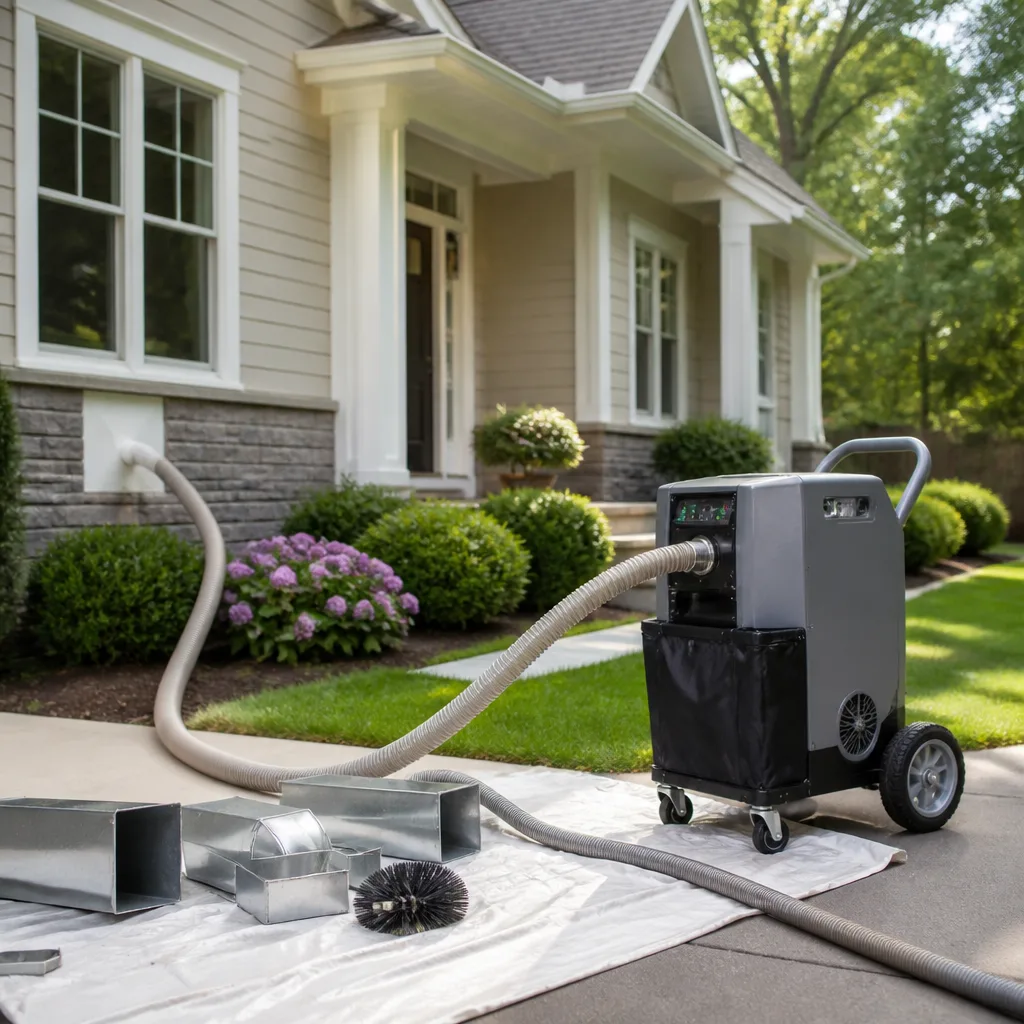 Whole-home duct cleaning
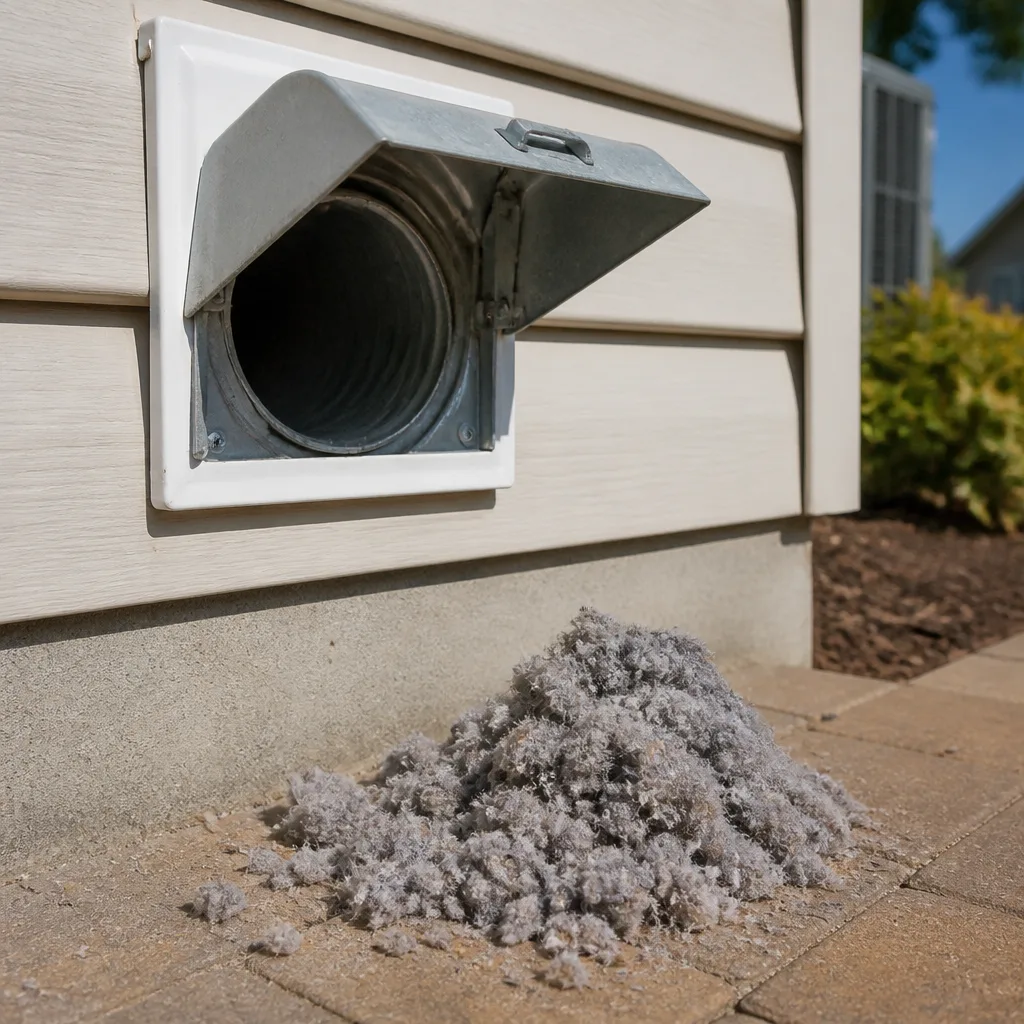 Dryer vent cleaning
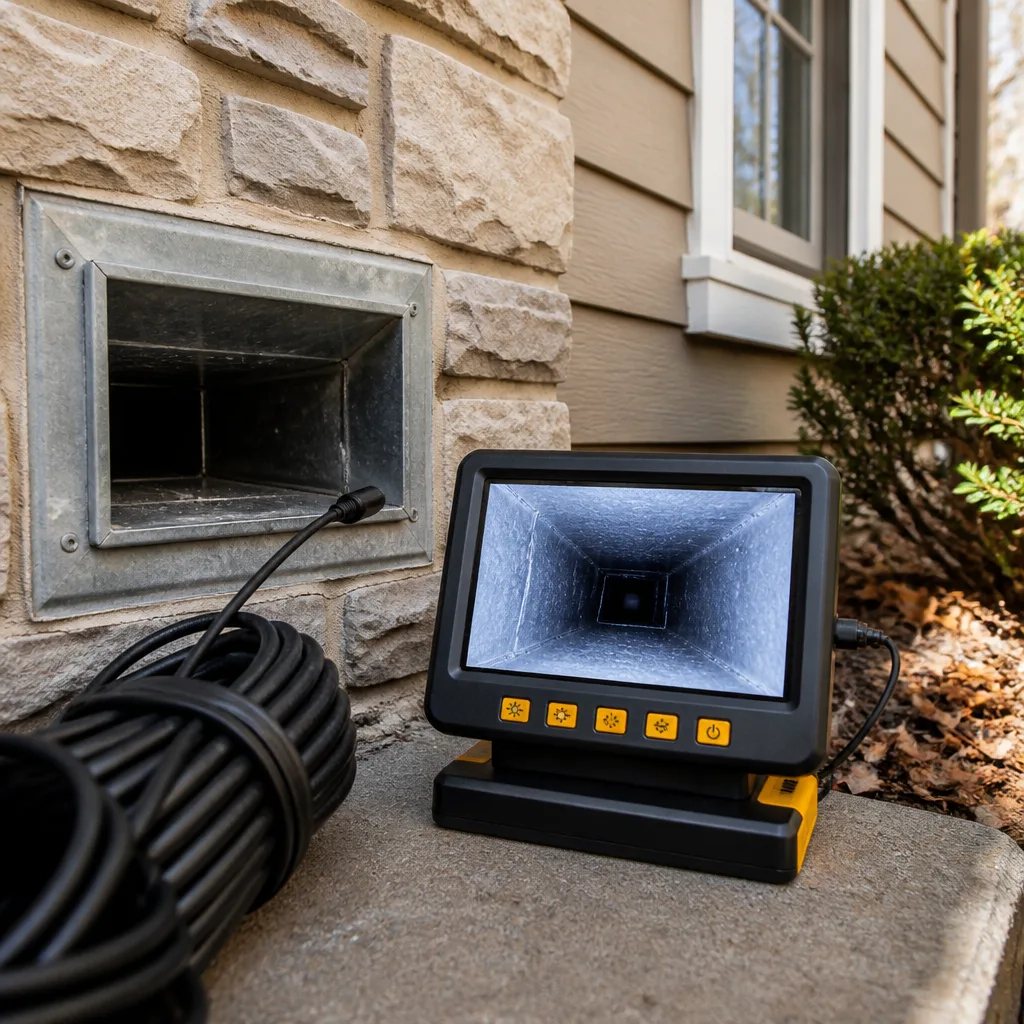 Camera inspection
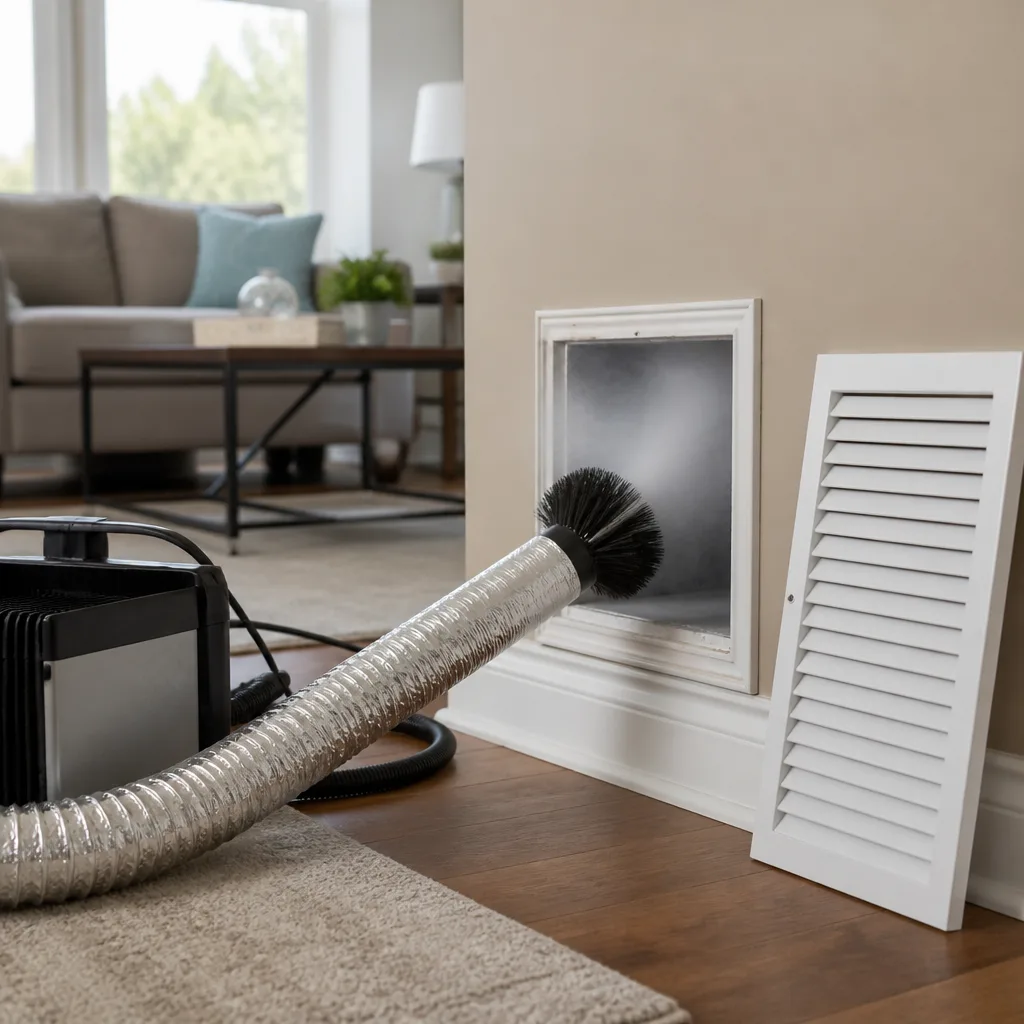 Sanitizing & deodorizing
Whole-system duct and dryer vent check with before-and-after photos - you see exactly what came out of your vents
That "$99 whole-house special" is a bait ad - the real number appears once they are in your hallway, or the "clean" is a shop-vac at the register. We photograph the inside of your ducts before and after instead.
Air Duct Cleaning Warning Signs: A Longmont Homeowner’s Reference Guide
Visible dust on your registers is not the first warning sign. It’s one of the last. By the time you can see debris coating a supply grille, the inside of that duct run has been collecting it for months, and the visible layer is just what finally pushed through. The symptoms most Longmont homeowners blame on allergy season, thin insulation, or an HVAC system that’s simply getting old are frequently duct-system problems in disguise: disconnected runs, failing liner, pressure imbalance, or debris that’s been quietly going airborne every time the blower kicks on. This guide maps the signs you can actually observe to the mechanical causes behind them, so you’re diagnosing the system instead of guessing at it.
Quick Answer
The main air duct cleaning warning signs are uneven room temperatures, musty odors at system startup, dark staining around registers, filters that clog far too fast, and allergy symptoms that spike when the heat or AC runs. In Longmont, these signs matter most in older homes with original 1970s and 1980s duct systems, where fiberglass liner can break down and shed fibers into the airstream. Any single sign is worth investigating. Dark residue, visible mold, or a disconnected run means call a professional now rather than schedule cleaning later.
Styles & brands we work with
- Whole-home duct cleaning
- Dryer vent cleaning
- Camera inspection
- Sanitizing & deodorizing
Table of Contents
- Five Observable Symptoms and What They Actually Mean
- The 10-Minute Inspection That Confirms or Rules Out a Duct Problem
- What Different Debris Types Inside a Duct Tell You
- Why Longmont’s Housing Stock Produces Specific Warning Signs
- When a Warning Sign Means “Schedule Cleaning” vs. “Call Today”
- Liner Degradation, Filtration, and the Upgrade Path
- Common Mistakes to Avoid
- When to Call a Professional
Five Observable Symptoms and What They Actually Mean
Most duct problems announce themselves the same five ways. The trick is that each symptom points to a specific mechanical cause, and knowing which cause you’re looking at tells you what kind of fix is actually needed.
- Uneven room temperatures. If the upstairs bedroom runs hot in summer while the main floor is comfortable, or a far room never quite warms up, the cause is usually a blocked, kinked, or fully disconnected run. Flexible duct in particular can sag, crush, or pull loose from its collar behind a wall. Airflow takes the path of least resistance, so one broken branch throws off static pressure across the whole system.
- Musty odors at startup. That smell that hits in the first thirty seconds after the blower engages is telling you something. It usually means biological growth in the air handler, the evaporator coil cabinet, or the supply plenum where cold surfaces and condensation live. The duct is often just the delivery mechanism; the source sits upstream.
- Dark staining around registers. A gray shadow line or sooty ring around the edge of a supply grille often means bypass leakage. Air is escaping around the boot instead of through the register, pulling attic or wall-cavity dust with it. The stain itself is filtration evidence: the gap is acting like a dirty filter and it’s been doing it a long time.
- Excessive filter loading. A filter that clogs in a few weeks instead of a few months usually means there’s a debris source upstream of it. That could be a deteriorating liner, an open return in a dusty space, or a duct run full of construction fallout. Changing the filter treats the symptom, not the source.
- Unexplained allergy spikes. Symptoms that track with the HVAC schedule rather than with outdoor pollen counts point to particulate becoming airborne from disturbed duct lining. When liner breaks down or a seam opens, the blower turns the duct system into a distribution network for exactly the particles you’re trying to avoid.
Notice what’s missing from that list: visible dust on the grille. That’s the late-stage confirmation, not the early signal. Our technicians have up to 10 years of experience and the job is almost always further along than the visible dust suggests.
The 10-Minute Inspection That Confirms or Rules Out a Duct Problem
You can gather solid evidence about your duct system in about ten minutes, and it’s worth doing before you pay anyone to look at it. This is a rule-out inspection, not a cleaning how-to. You’re looking for signs, not fixing anything.
- Pull and inspect the filter. Note whether it’s evenly gray or has a distinct dark crescent on one side. A one-sided loading pattern often points to a specific debris source feeding that return.
- Remove one supply register in an interior room. Look at the visible duct run with a flashlight. You’re checking the debris type (see the section below) and whether the duct surface is intact or fraying.
- Remove one return register. The return side tends to tell you more, because debris accumulates there before it reaches the supply runs. Look for soft material, dark residue, or material shedding off the walls.
- Check the register boots for gaps. Run the system and hold a tissue near the edge of the boot. If it flutters, you have leakage.
- Test airflow at each register with your hand. A noticeably weak register on a run that should be strong points to a blocked or disconnected branch.
- Note the smell at startup. Turn the system on and stand near a supply register. Mustiness within the first thirty seconds suggests growth in the handler or plenum.
- Confirm the air handler is accessible. Look but don’t open anything electrical or gas-adjacent. Just note whether debris is visible around the cabinet seams.
Put the registers back the way you found them. What you’ve done is gather the evidence a technician would use to scope the job. If you found debris that looks abnormal, the next step is professional air duct cleaning, which you can read more about on our service page.
What Different Debris Types Inside a Duct Tell You
The color and texture of what’s inside your duct opening is diagnostic. Not all dust is the same, and a trained eye reads the difference quickly.
- Light gray, powdery dust. This is normal accumulation. It builds up in any duct system over time and isn’t a cause for alarm on its own. If the layer is thin and even, the system is behaving normally.
- Black or dark brown residue. This can be combustion byproduct or it can be biological growth. Either way it deserves a look by someone who can identify it in person. Black residue on duct surfaces is one of the specific findings that triggers an immediate call rather than scheduling a routine visit.
- Fibrous material, tufts, or shedding. Loose fibers inside a duct usually mean deteriorating liner or insulation. This is where older Longmont homes deserve specific attention, because fiberglass-lined duct from the 1970s and 1980s can break down and shed into the airstream. Fibrous debris is not a maintenance issue; it’s a material failure that needs assessment.
- Construction fallout (fine white powder, grit, or drywall dust). Common in homes that have had recent renovation. The duct system often traps the debris, but it can release over months.
- Pest evidence (droppings, nesting material). If you see this, don’t run the system until it’s addressed. This is a call-today finding.
Longmont sits in a semi-arid stretch of the Front Range where summer dust and winter dry air both work on a duct system, and homes with original ductwork carry an additional variable. When we scope a job in a Longmont home with an older system, the first thing we look at is the liner condition, because it drives the cleaning method. Read more about Longmont service if you want to see how we typically approach it.
Why Longmont’s Housing Stock Produces Specific Warning Signs
Longmont’s housing inventory spans a wide range, and the age of the duct system matters more than the age of the house. Homes built from the 1970s into the 1980s commonly have original duct runs with fiberglass liner on the interior walls. That liner was never designed to last forever. Once it starts to delaminate, you get fibroid shedding, reduced airflow, and a debris source that cleaning alone won’t fix. We see this most often in the older neighborhoods near the center of town, and it’s a mechanical issue, not a housekeeping one.
The Front Range climate adds its own stressor. Summers bring fine dust and pollen that work their way into return systems quickly, and dry winters keep the humidity low enough that debris stays loose until the blower picks it up. That cycle repeats season after season. Homes that were tightened up with new windows and doors also change the pressure dynamics inside the duct system, which can turn a small leakage point into a bigger bypass.
Condensation is the third factor. During cooling season, an undersized or underserviced evaporator coil can stay wet enough to support growth. The duct usually gets the blame, but the source often sits at the air handler. If your system shows musty odors at startup, the diagnostic question is not “how dirty are the ducts” but “where is the condensation.” We’re also seeing more homes add filtration after a duct problem is identified, and that’s where brands like Honeywell and Aprilaire come in; more on that below.
When a Warning Sign Means “Schedule Cleaning” vs. “Call Today”
This is the question most Longmont homeowners actually need answered: is this a “schedule a cleaning” situation or a “call right now” situation? The distinction is finding-specific, and it matters because it determines how the system gets used until it’s addressed.
Schedule cleaning when you’re seeing:
- Uniform gray dust inside ducts or on registers
- Filters loading faster than they should
- Allergy symptoms that track with HVAC use
- Uneven airflow without a strong musty smell
- Years since last cleaning with no acute symptoms
Call today when you’re seeing:
- Black residue on duct surfaces or around the air handler
- Visible fibrous shedding from the liner
- Musty smell that appears within seconds of startup
- Pest evidence in a duct
- A disconnected run dumping air into a wall or attic cavity
- Debris around the air handler cabinet seams
The second list is the active-contamination list. “Call today” doesn’t mean panic; it means the system has a finding that could spread or that indicates a material problem. For a clean reading on what a professional job actually involves in Longmont, the air duct cleaning page walks through the method step by step.
Liner Degradation, Filtration, and the Upgrade Path
Once a duct cleaning confirms evidence of a deteriorating liner or an undersized filtration setup, homeowners usually want to know what the options are. There are three worth knowing about.
The first is repair. If the diagnostic found a disconnected run, a crushed flex duct, or a failing boot, we repair what we find rather than just cleaning around it. That’s the difference between a cleaning visit and a real fix.
The second is filtration. A system that keeps loading filters fast or keeps showing particulate problems usually benefits from an upgraded filter setup. We’re authorized to supply and install Honeywell and Aprilaire IAQ products, including media cabinets and thicker filter strategies that catch what a standard filter can’t. This lets you move from “clean ducts” to “better air” without a separate contractor for the filtration side.
The third is capability for the harder jobs. We run contractor-grade equipment, including Rotobrush brush-agitation systems paired with Nikro HEPA-vacuum extraction, which is a contact-and-capture method: the brush physically dislodges debris from the duct wall and the HEPA vacuum captures it, rather than just blowing it around. We also use Abatement Technologies air-filtration equipment on applicable jobs including renovation fallout and post-remediation clearance cleaning, which is the same category of gear used in professional remediation work. Alongside these we use Guardsman products in the service mix. All of that gear is why a professional visit does a materially different job than a shop-vac could.
Common Mistakes to Avoid
- Waiting for visible dust on the registers. As above, that’s a late sign. By the time it’s visible, the run has been accumulating for months and the problem may already have migrated to the plenum or liner.
- Treating the filter as the fix. A fast-loading filter is evidence of an upstream problem. Changing it more often is fine, but it doesn’t fix a broken liner or a disconnected run.
- Assuming the duct is the source of a musty smell. The biology is often in the air handler or the evaporator coil cabinet. Cleaning the ducts without addressing the wet surface upstream leaves the source in place.
- Cleaning ducts without inspecting the liner first. In older Longmont homes, aggressive cleaning of a failing fiberglass liner can make conditions worse. The liner condition should drive the cleaning method.
- Letting a disconnected run get cleaned before it gets repaired. Cleaning a run that’s dumping air into a wall cavity wastes the effort. Repair first, clean second.
- Buying filtration without a duct baseline. Adding a Honeywell or Aprilaire cabinet to a system full of debris just loads the new filter faster. Clean first, then add filtration if the diagnostic supports it.
- Choosing the cheapest bid. That’s a broader issue than this guide, but the “why are some quotes so much cheaper” question matters. Cheap quotes usually mean consumer-grade equipment, no liner assessment, and no finding report. You’re paying for the method and the equipment roster, not just a visit.
Our technicians have up to 10 years of experience and every job on the schedule is scoped after the diagnostic, so you know what you’re buying before work starts. We also handle dryer vent cleaning on the same visit if you want the full ventilation system checked.
When to Call a Professional
Call us if your 10-minute inspection turned up any of the following: black residue inside a duct, fibrous shedding from the liner, musty odor within seconds of startup, pest evidence, or a run that clearly isn’t delivering air. Those are diagnostic findings, not cleanup items, and the next step is someone with the right equipment looking at them in person. Call us as well if your filters load faster than they should, your allergy symptoms track with HVAC use, or the system is simply older and hasn’t been inspected in years. The estimate is free and the price is set per job by the written estimate, so a call costs you nothing but ten minutes.
Duct Cleaning Longmont offers free estimates in Longmont. Call duct cleaning Longmont at (866) 361-9658. We answer 24/7. Fast dispatch from 7am to 7pm, Sunday through Friday.
See the difference
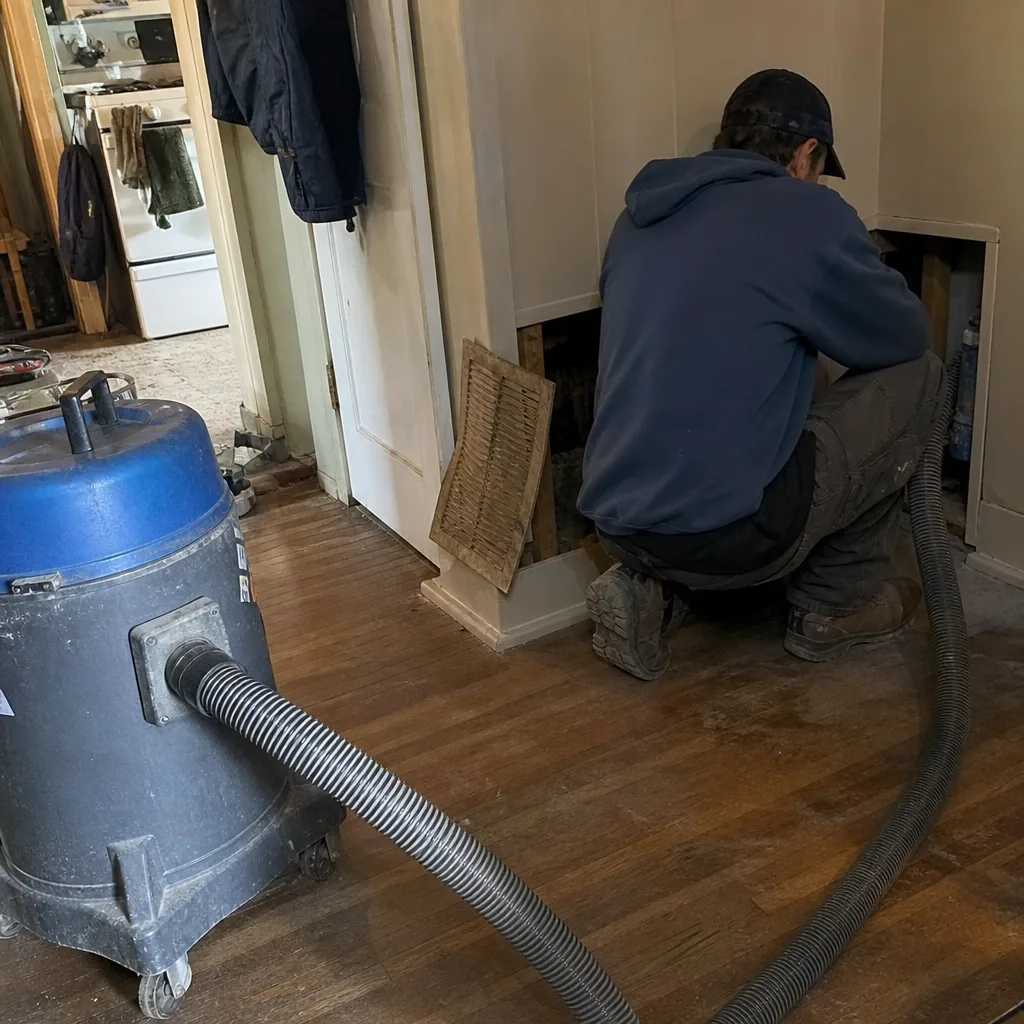 Before
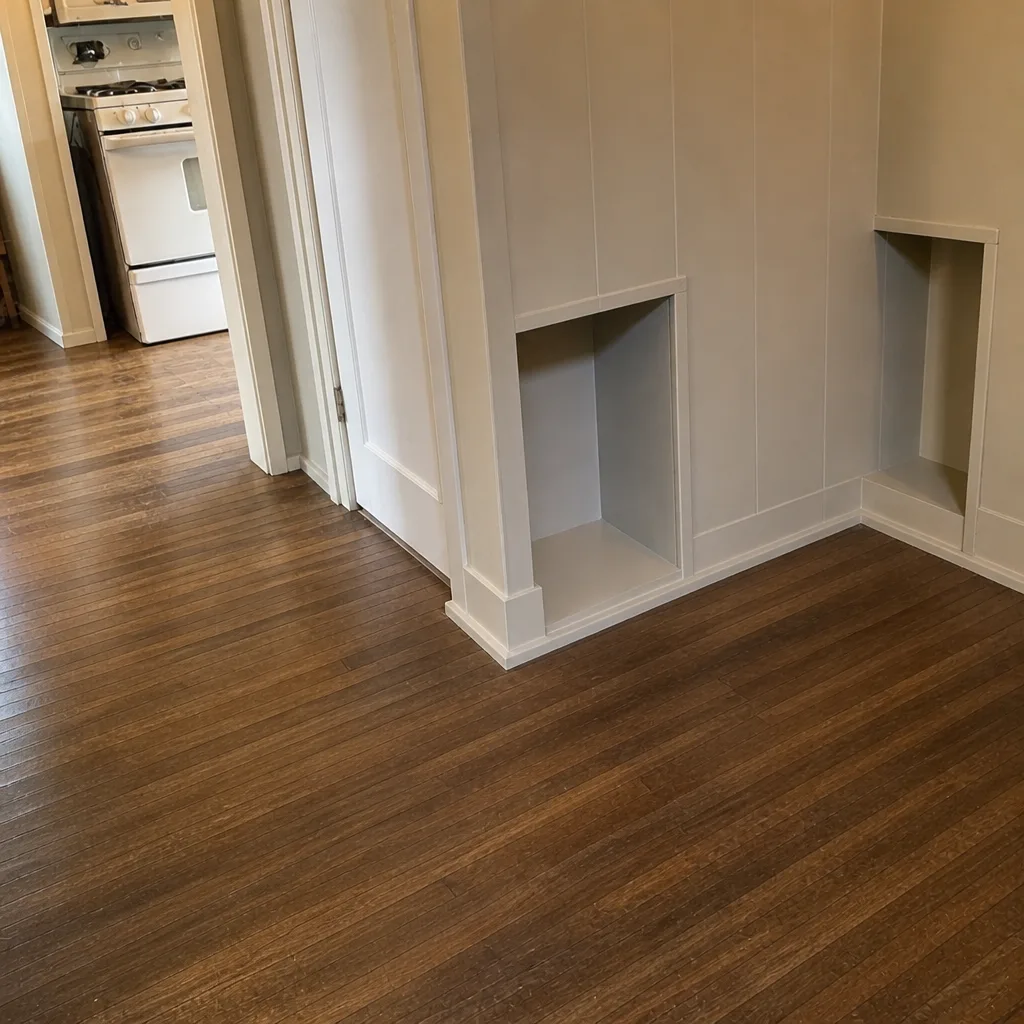 After
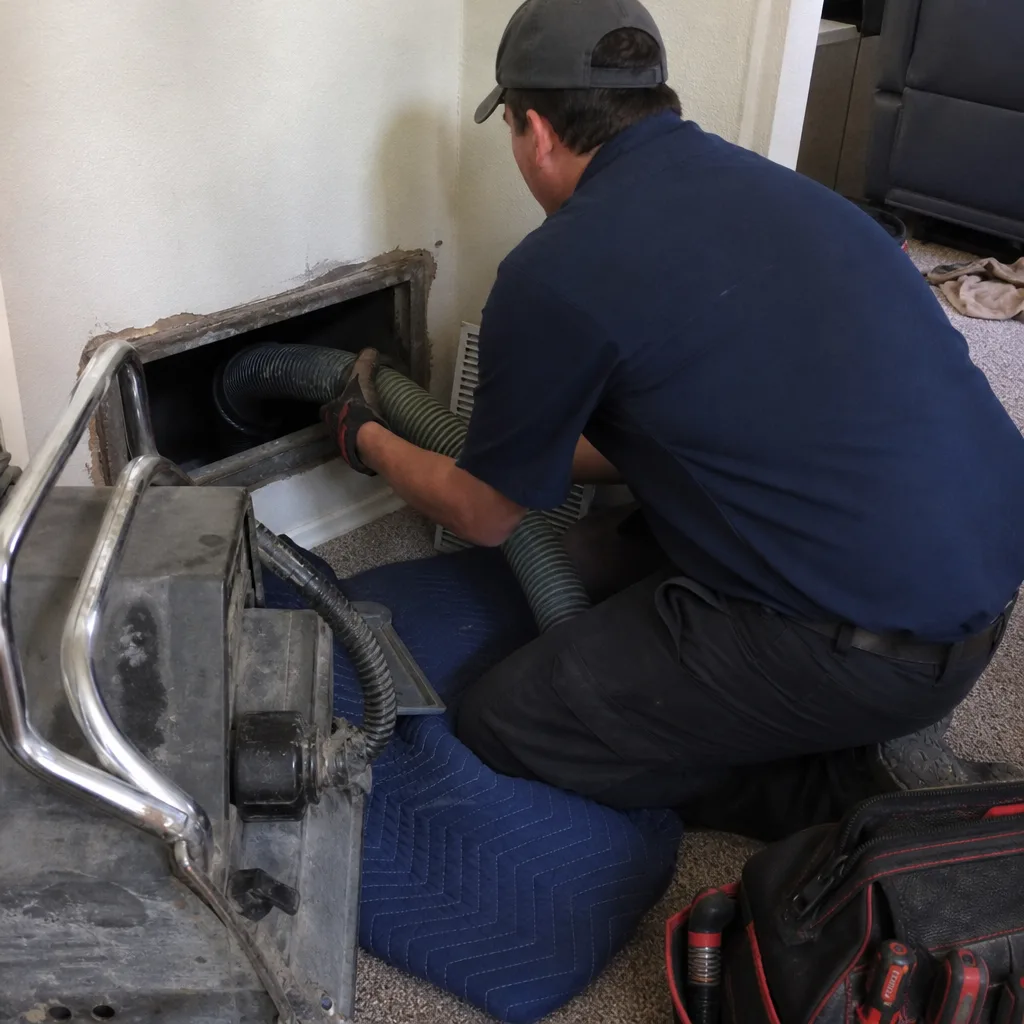 Before
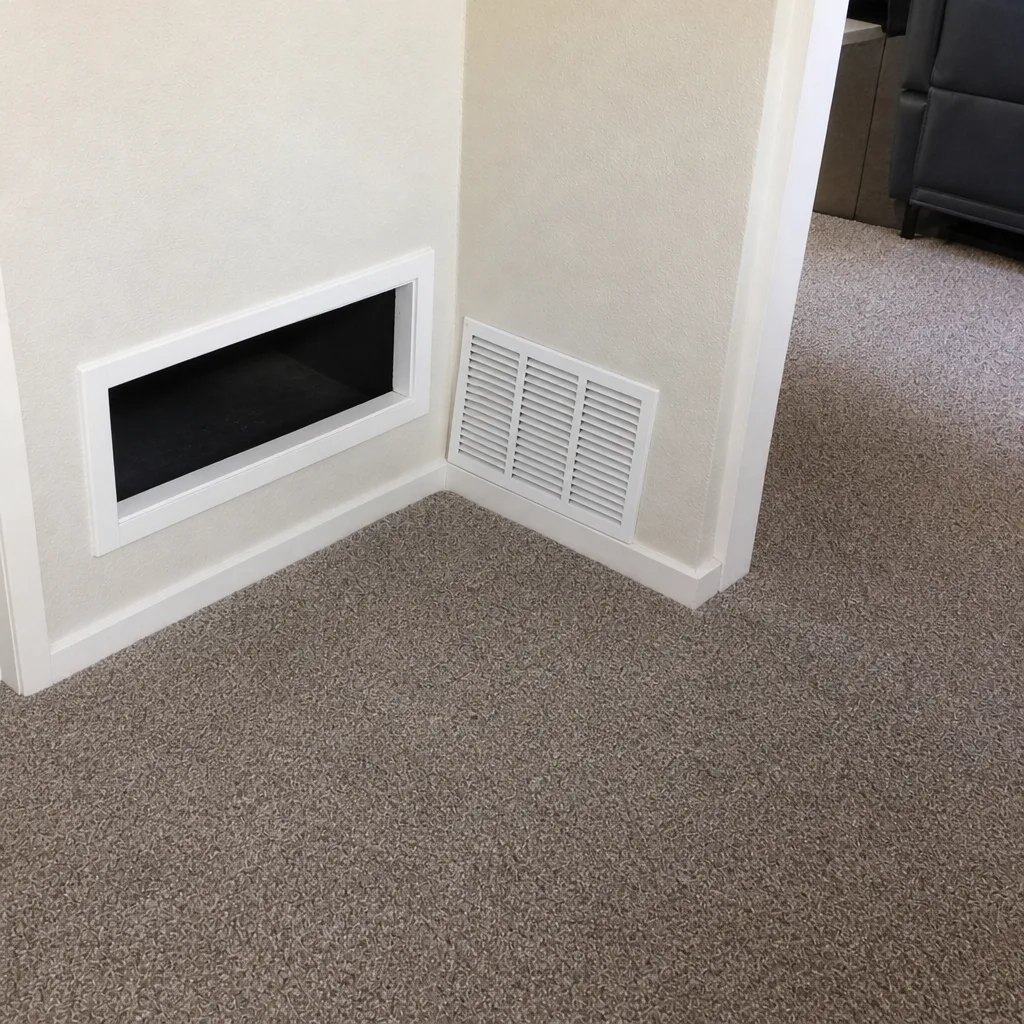 After
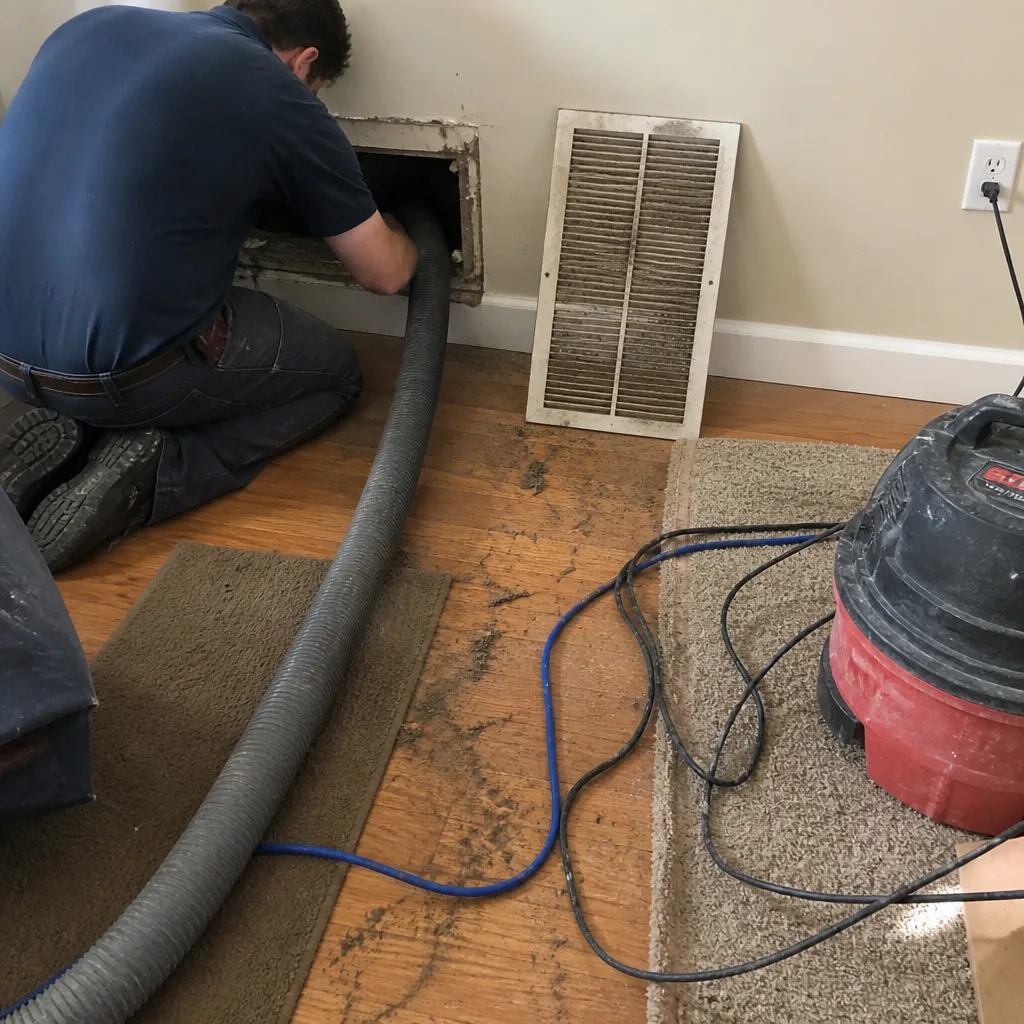 Before
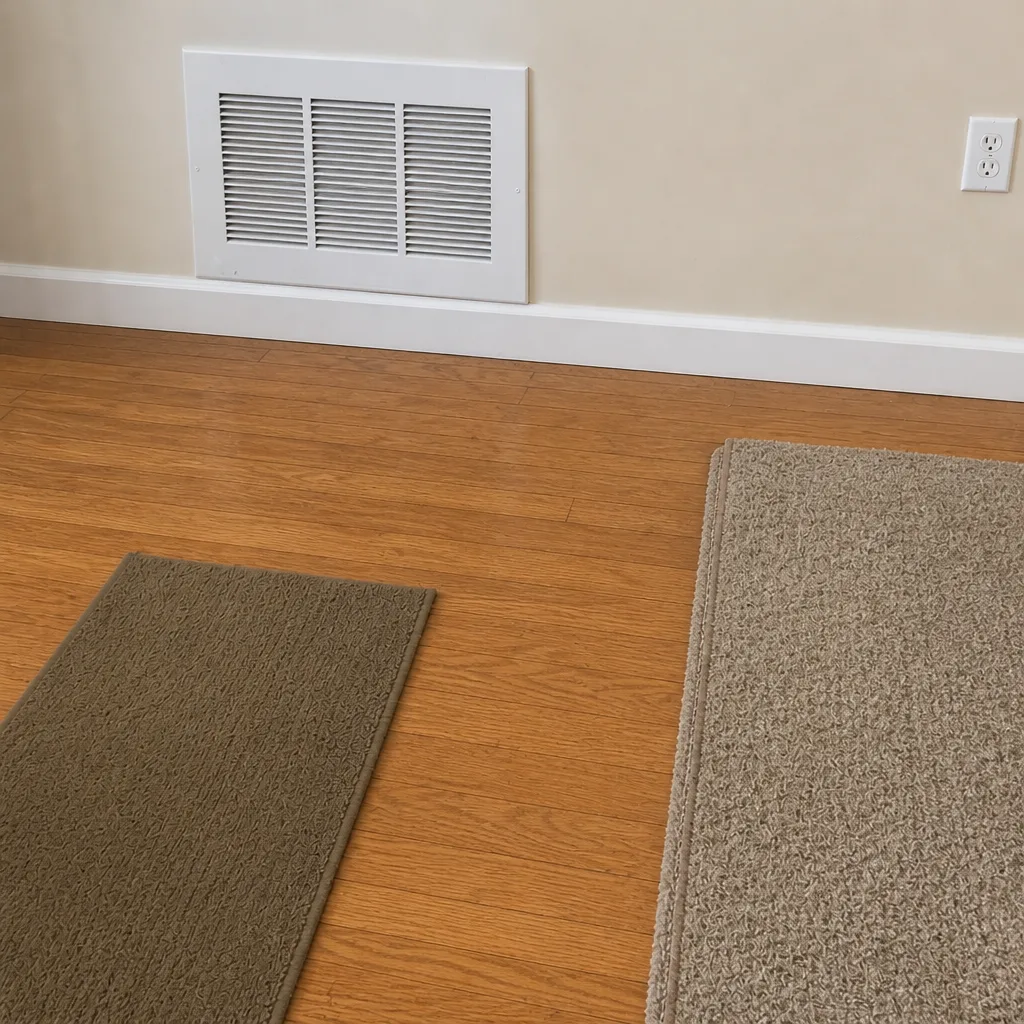 After
Frequently Asked Questions
Musty odor within the first thirty seconds of startup is the single most reliable warning sign, because it points to an active source rather than passive dust. A close second is a filter that clogs in a few weeks rather than months, which usually means a debris source upstream. Both are worth a professional look. Call (866) 361-9658 for an exact quote; estimates are free.
Air duct cleaning in Longmont is priced per job by the written estimate, not per vent, so the range depends on the system size, the debris type, and whether repairs are needed. What we’ll tell you upfront is that the quote you receive is the price of the whole system, agreed before work starts. Call (866) 361-9658 for an exact quote; estimates are free.
Cheap quotes typically indicate consumer-grade equipment, no liner assessment, and no before-and-after photos of your own ducts. The industry’s bait-and-switch reputation comes from exactly that pattern: a low teaser price that becomes a larger invoice once the technician is on site. We set one flat price per system before work starts. Call (866) 361-9658 for an exact quote; estimates are free.
Ask for before-and-after photos of your own duct runs, not stock images. A professional visit produces visual evidence of the starting condition and the finished condition for the specific system in your home. That’s our standard on every job. Call (866) 361-9658 for an exact quote; estimates are free.
Most homes in Longmont need it less often than marketers suggest and more often than homeowners assume; the trigger is evidence, not a calendar. A system with no symptoms, no shedding liner, and reasonably clean filters doesn’t need an annual visit. A system with fast-loading filters, musty smell at startup, or an older fiberglass-lined duct network needs inspection sooner. Call (866) 361-9658 for an exact quote; estimates are free.
Yes, in a specific way. The Front Range’s summer dust loads the returns quickly, dry winters keep debris loose enough for the blower to lift, and condensation at the evaporator coil can support growth during cooling season. Homes built in the 1970s and 1980s carry the extra variable of fiberglass liner that can break down. If you’re seeing any of these signs, our Longmont service page explains how we approach it. Call (866) 361-9658 for an exact quote; estimates are free.
The Bottom Line
Duct problems rarely announce themselves with visible dust. They announce themselves with airflow, smell, staining, filter loading, and allergy symptoms that track with HVAC use, and each of those points to a specific mechanical cause. A 10-minute rule-out inspection tells you which finding you’re dealing with. In Longmont, homes with original 1970s and 1980s duct systems deserve specific attention for liner degradation, and homes with original fiberglass-lined duct should be assessed before they’re cleaned. If you found a call-today finding, don’t run the system until it’s looked at. If you found a schedule-cleaning finding, get an estimate and treat it as a planned job rather than an emergency.
Call (866) 361-9658 for a free estimate. We answer 24/7. Fast dispatch from 7am to 7pm, Sunday through Friday.
Written by the team at Duct Cleaning Longmont.