
Last updated November 15, 2026
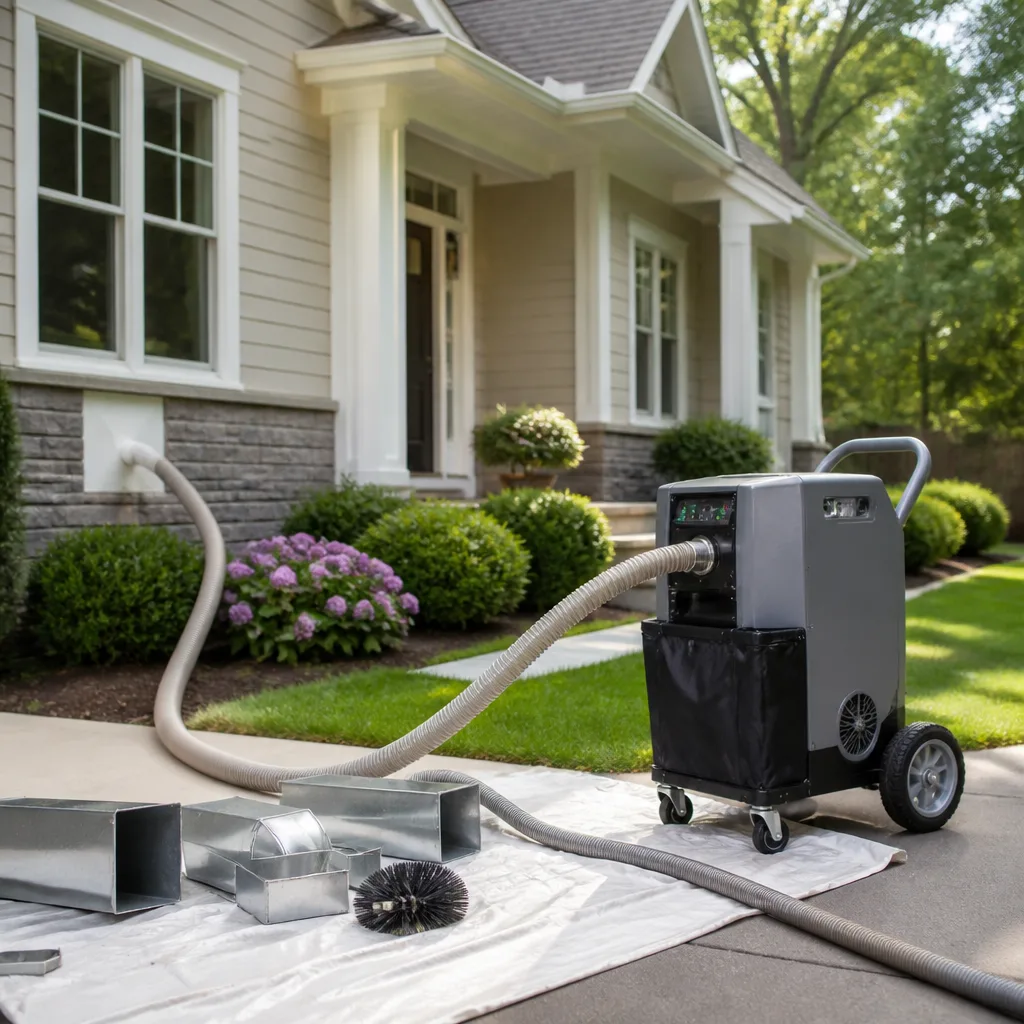 Whole-home duct cleaning
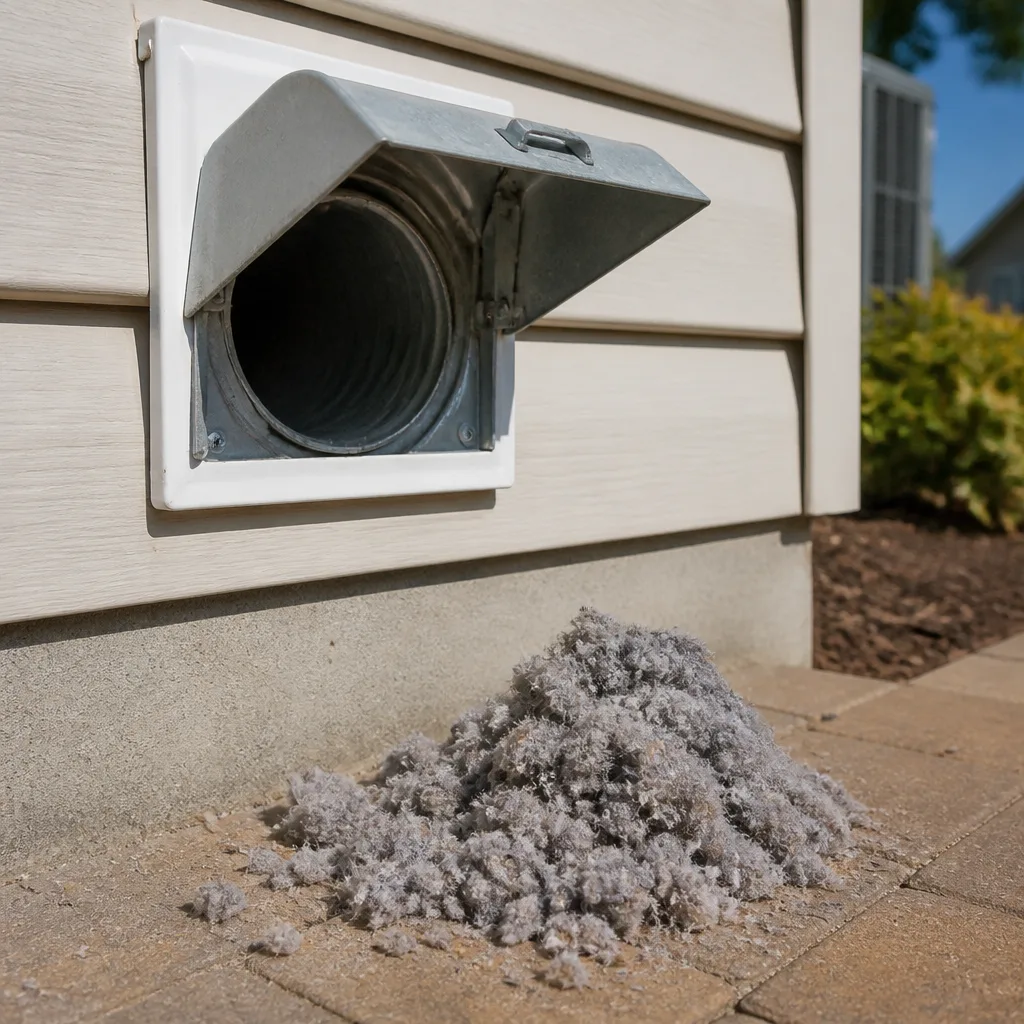 Dryer vent cleaning
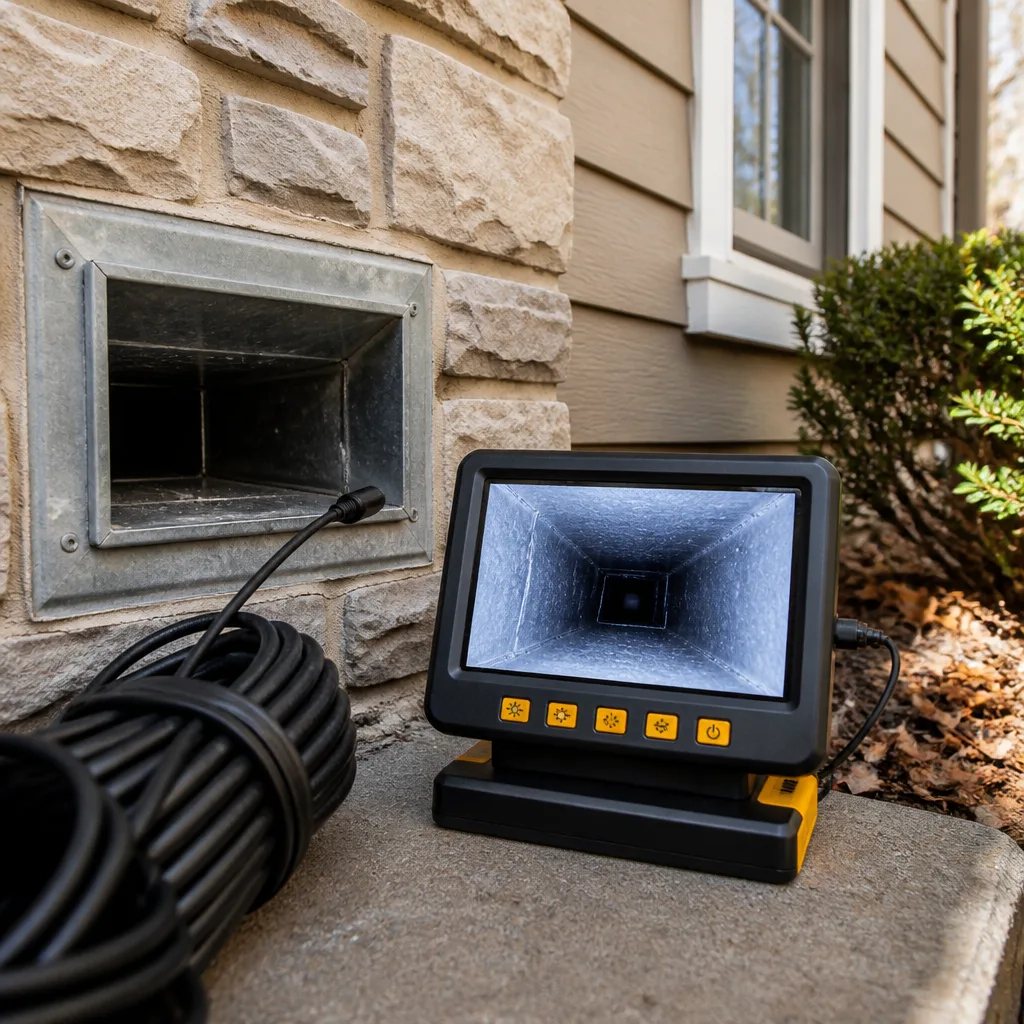 Camera inspection
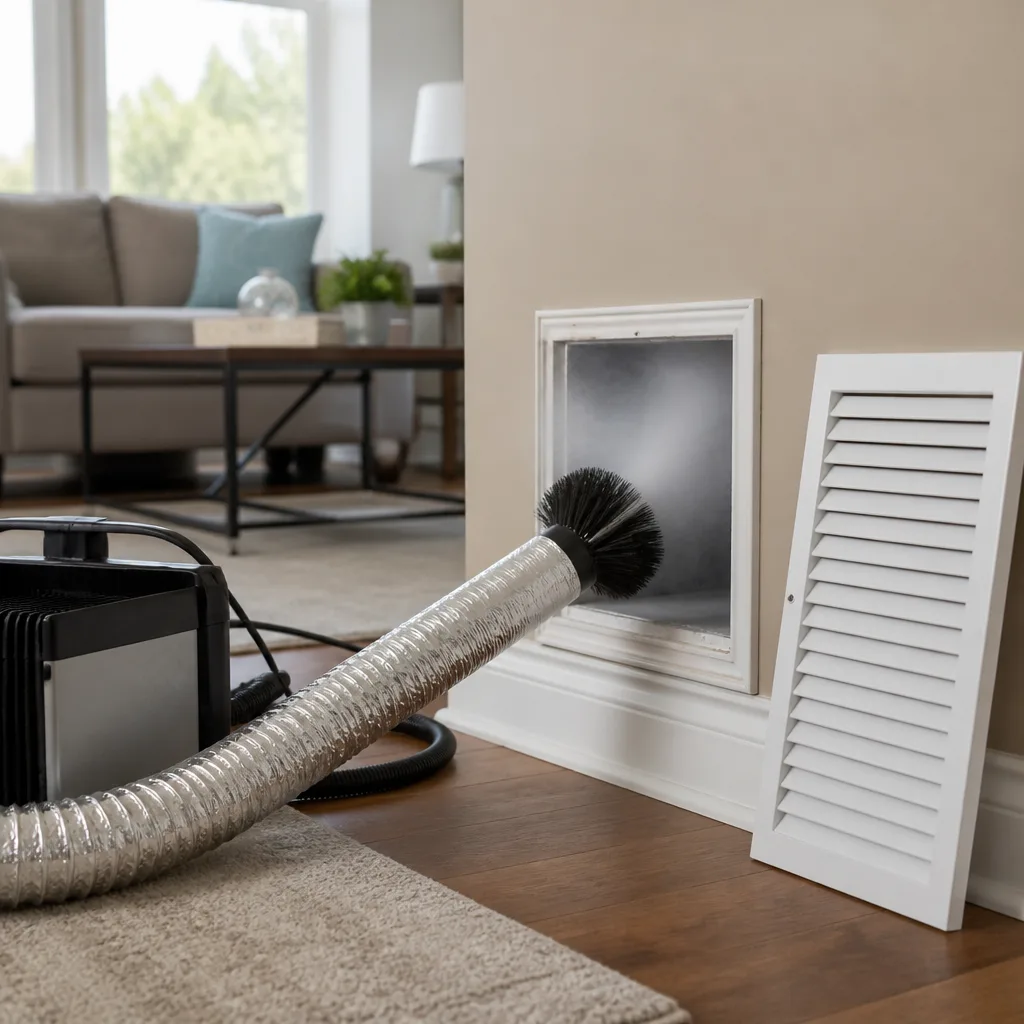 Sanitizing & deodorizing
Whole-system duct and dryer vent check with before-and-after photos - you see exactly what came out of your vents
That "$99 whole-house special" is a bait ad - the real number appears once they are in your hallway, or the "clean" is a shop-vac at the register. We photograph the inside of your ducts before and after instead.
The Complete Guide to Air Duct Cleaning in Longmont
A shop-vac and a spinning brush from the hardware store are what some “duct cleaners” show up with. That combination doesn’t clean a duct system. It stirs dust loose and pushes much of it back into the rooms you live in. Homeowners in Longmont often believe they’ve had their ducts cleaned when what actually happened was a surface wipe of the registers and a few photos of a vacuum hose. This guide explains what a full mechanical cleaning really covers, from trunk lines to return plenums to the air handler compartment, so you can tell the difference before anyone touches your system and verify the job afterward.
Quick Answer
A true air duct cleaning in Longmont means the whole system gets cleaned under negative pressure, not just the vents you can see. That includes every supply register, the trunk and branch lines behind them, the return air plenums, and the air handler compartment. Contact-and-capture equipment like Rotobrush brush agitation paired with Nikro HEPA extraction is what removes debris instead of just moving it around.
Styles & brands we work with
- Whole-home duct cleaning
- Dryer vent cleaning
- Camera inspection
- Sanitizing & deodorizing
Table of Contents
- What a Full Duct Cleaning Actually Covers
- Step by Step: How a Trunk-to-Register Cleaning Sequence Works
- Why Longmont’s High-Altitude, Low-Humidity Climate Fills Ducts Faster
- Supply Lines vs. Return Plenums: The Scope Difference
- How to Verify the Work: Photos, Airflow Readings, and Access Panels
- Red Flags That the Job Stopped Short
- From Cleaning to Filtration: Repair and IAQ Upgrades
- Dryer Vent Cleaning: The Other Half of Your Ventilation System
What a Full Duct Cleaning Actually Covers
Air duct cleaning in Longmont is often sold as a one-price package that turns out to be register-only work once the technician is on site. The real scope is bigger. A whole-system clean touches every component that air passes through between the return grille and the supply register. If any of those pieces is skipped, the system isn’t clean no matter how tidy the visible vents look.
Here’s the component list a legitimate full clean should cover:
- All supply registers and the boots behind them – the metal or plastic box where the duct meets the wall, floor, or ceiling.
- Branch lines – the smaller runs feeding individual rooms.
- Trunk lines – the larger main ducts that carry air away from the furnace or air handler.
- Return air plenums and return ducts – the pathway that draws air back to the equipment.
- The air handler compartment and blower area – often the dirtiest section because it sits closest to the filter.
- The filter slot and housing – dust that bypasses a poorly seated filter collects here.
This is why we describe our work as cleaning air duct cleaning the full system rather than a set number of vents. A 1,800-square-foot home in Longmont’s Prospect neighborhood and a 3,200-square-foot house out toward Hygiene have very different duct layouts. A per-vent price can’t honestly cover both, which is one reason we set a flat price per system after the written estimate.
Homeowners who want a technician-led assessment before booking a full clean can start with a call. Duct Cleaning Longmont offers free estimates in Longmont.
Step by Step: How a Trunk-to-Register Cleaning Sequence Works
Most people have never watched a duct cleaning happen. That’s fine, but knowing the sequence makes it easy to spot when a job is being done out of order or skipped. In our experience, the order matters as much as the equipment. Cleaning supply runs before returns, or registers before trunk lines, spreads contamination back through the system.
Here’s the general sequence a professional-grade clean follows:
- Inspection and setup. The technician inspects the accessible ductwork, checks the air handler, and confirms the filter condition. A negative-pressure setup is created, usually by connecting a Nikro HEPA vacuum unit to the main trunk or a dedicated access point. Access panels get cut where the system needs them.
- Return-side cleaning first. Return plenums and the air handler compartment are cleaned before the supply side, so loosened debris doesn’t get pulled back through supply lines.
- Trunk and branch agitation. The Rotobrush brush-agitation tool is fed through the trunk and branch lines. Rotating brushes physically dislodge compacted dust, pet hair, and construction residue from the duct walls.
- Simultaneous extraction. While the brush agitates, the Nikro HEPA vacuum pulls dislodged material out of the system and traps it in a sealed container. Contact-and-capture works only when both steps happen together, which is why a brush alone displaces debris instead of removing it.
- Register and boot cleaning. Each register is removed, washed, and the boot behind it is agitated and vacuumed.
- Final verification. The technician takes before-and-after photos, checks airflow at representative registers, and documents access panels that were cut and sealed.
If the total on-site time for a 2,000-square-foot home is under 45 minutes, one or more of those steps was skipped. That’s the most reliable schedule-based tell we can offer.
The scope of Duct Cleaning Longmont work includes repair alongside cleaning, which matters because agitation often reveals disconnected joints, crushed flex runs, or torn duct tape that a pure cleaner can only flag, not fix.
Why Longmont’s High-Altitude, Low-Humidity Climate Fills Ducts Faster
Longmont sits at roughly 5,000 feet of elevation on the northern Front Range, and the climate here is dry for most of the year. That combination changes how fast ducts accumulate dust compared with lower-elevation Front Range cities. Two mechanisms are at work.
First, dry air and static charge. Low indoor humidity during winter lets dust particles hold a static charge longer, which makes them cling to duct walls and sheet metal surfaces. In a wetter climate, that dust tends to be heavier, moves through the system more easily, and gets captured by the filter. Here, it sticks.
Second, seasonal pressure swings. The high-desert heating season in Longmont runs long, and the furnace or heat pump cycles hard from fall into spring. Each cycle moves a volume of air through ducts that has been drawn from rooms with carpet, pets, and normal household dust. Over several heating seasons, that dust layers inside the trunk and branch lines until airflow drops and registers start blowing visible dust on startup.
What this means practically: homes in Longmont tend to need cleaning on a shorter interval than the “every 3-5 years” line you’ll see on generic national sites suggests. If your registers are dusting surfaces within minutes of a system start, the layer inside the ducts has probably reached a stage where agitation is required, not just a filter change. Homes near the foothills on the west side of Longmont, where wind-driven dust off open ground is common, often reach that stage sooner.
Airflow readings and a visual inspection of the air handler give a clearer answer than any calendar rule. That’s why we prefer to look before we recommend.
Supply Lines vs. Return Plenums: The Scope Difference
The single biggest gap between a cheap “duct cleaning” and a full one is return-side coverage. Many budget services clean supply registers and supply branches only. The return side, where air carries the heaviest dust load back to the air handler, gets skipped entirely. If your quote doesn’t mention returns in writing, that’s what you’re buying.
Here’s how the two sides compare:
- Supply side: Carries conditioned air from the air handler out to each register. Dirt here shows up as dust on ceilings and surfaces near vents. Cleaning requires agitation and extraction through each branch.
- Return side: Draws room air back to the air handler. It’s the dirtiest part of most systems because it’s the first thing dirty air hits. The return plenum, the return drops, and the air handler compartment all need cleaning.
- Air handler compartment: Sits between the return and the supply. Dust, pet hair, and filter bypass collect here and get picked up by any brush passing nearby. If the compartment isn’t cleaned, supply-line agitation pulls fresh debris into the air stream.
A scope that lists “supply registers only” or “supply vents” without return plenums and the air handler is surface-level. Ask specifically whether the written estimate includes returns and the blower compartment. If the answer is vague, the job will be too.
When contamination in a return system is heavy or the home has had recent renovation work, we deploy Abatement Technologies air-filtration equipment to keep dust and particulate out of living space during the clean. That equipment sits in the same category used in professional remediation work, and it’s the right tool for the job.
How to Verify the Work: Photos, Airflow Readings, and Access Panels
Photos alone don’t prove a duct was cleaned. They help confirm what was done, but they’re easy to stage and easy to select. The more reliable proof is a combination of three things: before-and-after photos of the actual ducts (not just registers), airflow readings taken at representative registers on the same visit, and the physical presence of access panels that were cut for cleaning and sealed afterward.
A verification checklist you can use:
- Before-and-after photos inside the trunk and branches. Different angle, same location, taken with a camera fed through the duct. If the “after” photo could just as easily be a photo of a different system, it isn’t documentation.
- Airflow readings. A simple anemometer reading at each register, before and after, gives a number. If a technician claims airflow improved but can’t show a reading, treat it as unverified.
- Access panels. Cleaning a trunk line requires access. Panels that were cut should be visible afterward, sealed with tape or a proper cover. No panels means the brush never reached the trunk.
- Return-side confirmation. Ask to see a photo of the air handler compartment before and after. Most problems hide there.
- Written documentation of what was cleaned and what wasn’t. A one-page summary beats a verbal “all done.”
Ask for the whole set before anyone starts. A technician using contractor-grade gear and following through on the full scope will have no trouble producing it. Our Rotobrush and Nikro setup is built to generate this documentation on every job.
Red Flags That the Job Stopped Short
Some jobs look complete and aren’t. The patterns repeat. Here are the ones we’ve seen most often in Longmont and the surrounding area:
- Registers cleaned, trunk lines untouched. If the trunk has no access panel and no evidence of brush agitation, the main duct was skipped. Registers are the easiest thing to clean and the least informative.
- No return-side work. If the estimate and the walkthrough both focus on the supply grilles, the system’s heaviest dust load was never touched.
- No access panels cut. A legitimately cleaned trunk line almost always required cutting access. If none exist after the job, the trunk was not cleaned.
- Total job time under 45 minutes on a 2,000-square-foot home. Whole-system cleaning of that size takes meaningfully longer with proper agitation and extraction at every register.
- No before-and-after photos inside the ducts. Photos of a clean register don’t prove anything. Photos of the trunk interior do.
- Consumer-grade vacuum equipment. A shop-vac with a brush attachment doesn’t create the negative pressure needed to trap debris. Contractor-grade HEPA equipment (Rotobrush, Nikro) does.
- Price that gets “adjusted” on site. A low quote that doubles once the technician sees the system is the most common complaint in this trade. One flat price per system, agreed before the work starts, closes that gap.
Each of these is easy to check. The problem is that most homeowners don’t know what to look for until it’s already done. If you take one thing from this list, take the access-panel test. If panels were cut, the trunk was cleaned. If they weren’t, it wasn’t.
From Cleaning to Filtration: Repair and IAQ Upgrades
Cleaning reveals problems. Flex duct that’s crushed, joint tape that’s failed, a boot disconnected from a register, a return plenum that’s pulled away from the air handler. Most cleaning services can flag those issues but can’t fix them, which sends the homeowner looking for a second contractor. We repair what we find, on the same visit where it’s practical.
Common repairs discovered during a full clean include:
- Disconnected or sagging flex runs – the air leaks into crawlspaces and attics instead of reaching the room.
- Crushed or kinked flex duct – cuts airflow to a room and often shows up as uneven heating.
- Failed joints and tape – the classic cause of dusty rooms even after the ducts are clean.
- Disconnected boots and registers – air leaks behind drywall, dust stains appear on walls.
Once the system is clean and sealed, we can move it toward better air with filtration upgrades. We supply and install Honeywell and Aprilaire filtration and indoor air-quality products, which lets a homeowner go from “clean ducts” to “better air” without a second contractor visit. For homes with recent renovation dust or heavier contamination, Abatement Technologies air filtration handles the cleanup phase. For custom-fit filter housings, Guardsman products round out the offering.
All of this is part of the same service call. One company diagnoses, cleans, repairs, and upgrades the full duct and ventilation system. That single-accountability setup is the point.
Dryer Vent Cleaning: The Other Half of Your Ventilation System
Air ducts get the attention. The dryer vent is where the other half of the ventilation story lives, and it’s the one with a real safety margin. Lint accumulates in the vent line on every load. Over time it compacts, restricts airflow, and creates a fire hazard that most homeowners never see.
Signs your dryer vent needs cleaning:
- Clothes take longer than one cycle to dry.
- The dryer body gets hot to the touch during a normal load.
- You find lint behind the dryer or around the outside vent hood.
- The outside vent flap doesn’t open fully when the dryer runs.
- It’s been more than a year since the vent was last cleaned.
Dryer vent work uses the same brush-and-extraction approach as duct cleaning, scaled to the smaller line. Long runs and elbows, which are common in Longmont homes where the laundry sits away from an exterior wall, need a rotating brush to reach the far end and a vacuum to capture what’s loosened. This is part of our dryer vent cleaning work, and it pairs naturally with a duct clean since both use the same equipment and the same visit.
Common Mistakes to Avoid
- Booking on price alone without confirming the scope. A quote for “duct cleaning” that doesn’t specify returns, air handler, and trunk lines isn’t comparable to one that does. Ask for the component list in writing before you compare numbers.
- Assuming before-and-after photos of registers count as documentation. Register photos prove the register was wiped. Interior trunk photos and airflow readings prove the duct was cleaned. Ask for the right ones.
- Skipping the access panel conversation. If the technician is going to cut into your ductwork, you should know where and confirm the panels will be sealed afterward. Sealing matters as much as the cut.
- Waiting until registers visibly dust surfaces. By that point, the duct walls have built up a layer that needs mechanical agitation, not a filter change. In Longmont’s dry, dusty climate, homes often reach this stage faster than national guidelines suggest.
- Ignoring the air handler compartment. Most of the dust load in a Longmont system sits in the return plenum and air handler compartment, not the supply branches. A clean that skips those areas leaves the worst part untouched.
- Letting a low initial price anchor the decision. The complaint we hear most is a low quote that became a much bigger invoice once the technician was on site. One flat price per system, agreed before work starts, is the fix.
- Treating cleaning and repair as separate projects. A crushed flex run or disconnected boot won’t fix itself after a clean. Booking both together costs less time and gets the system back to working condition in one visit.
See the difference
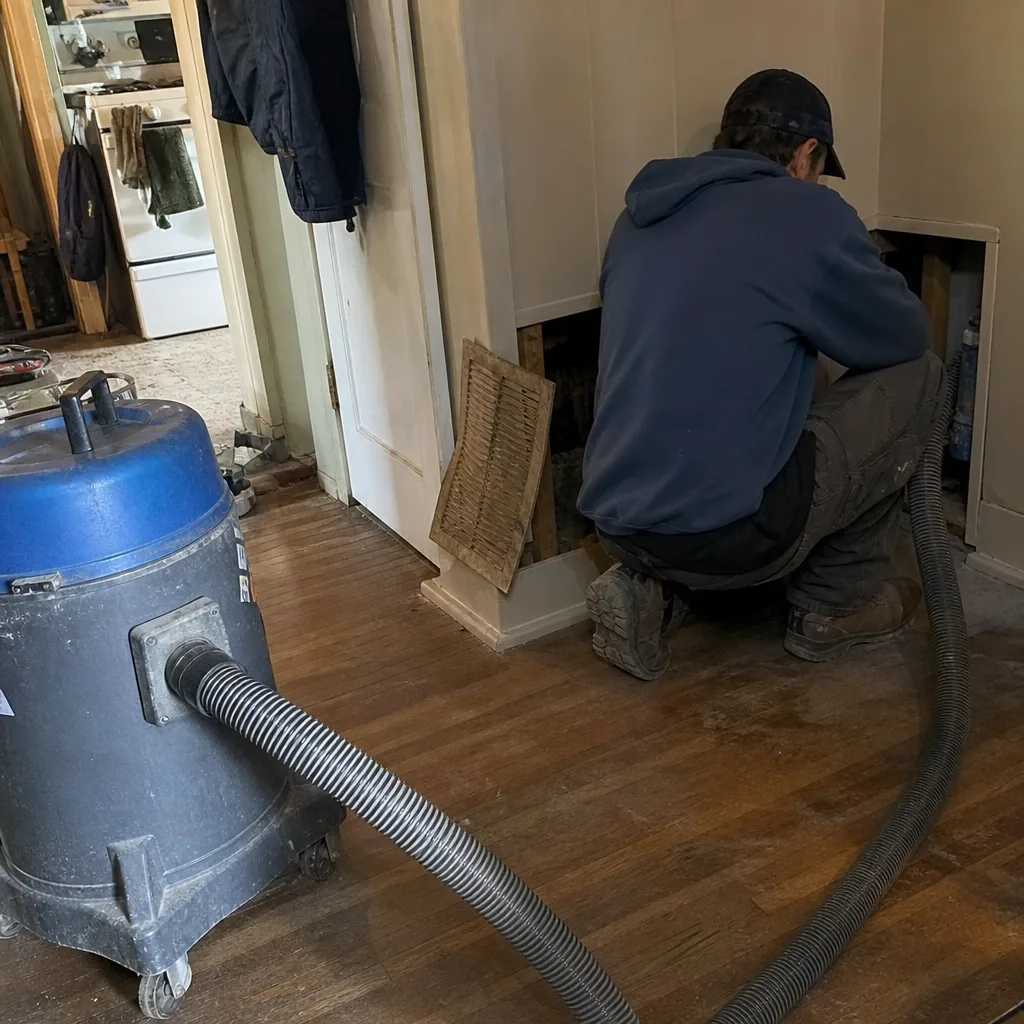 Before
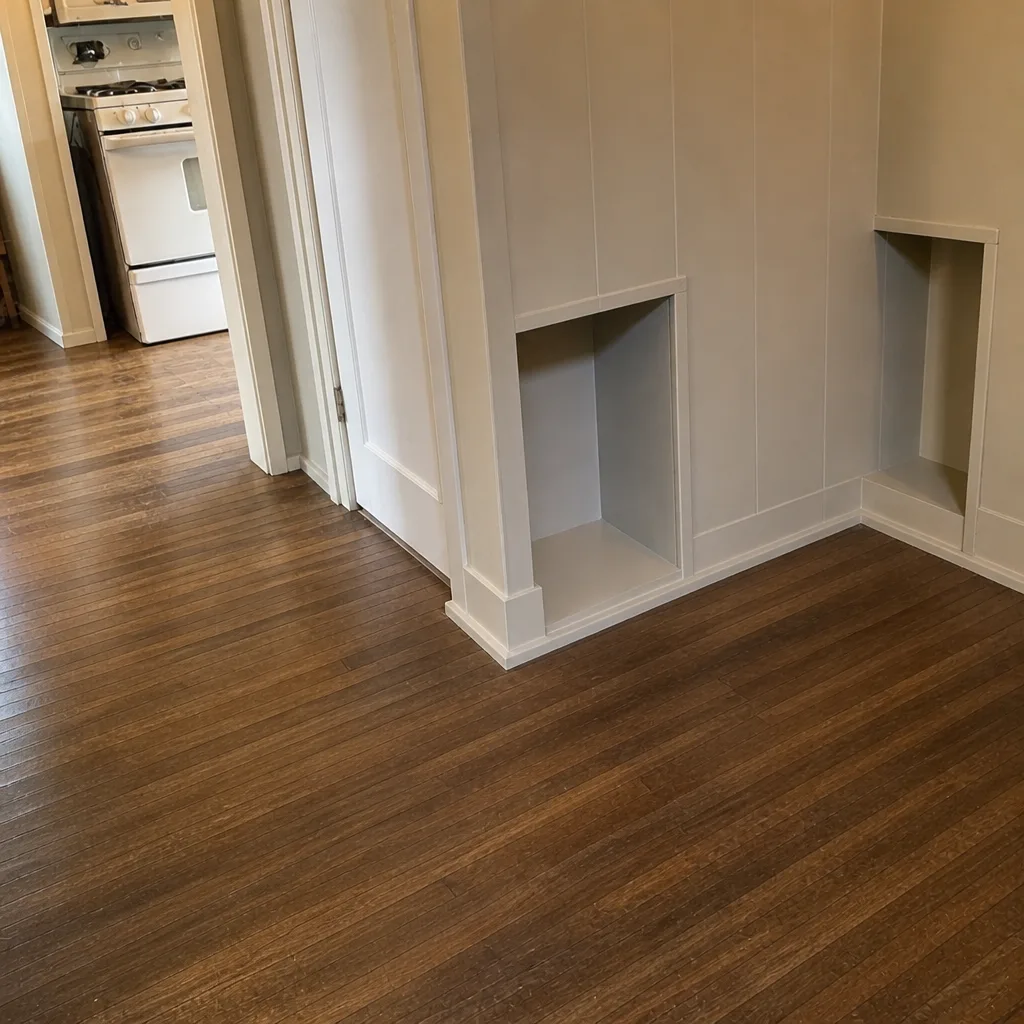 After
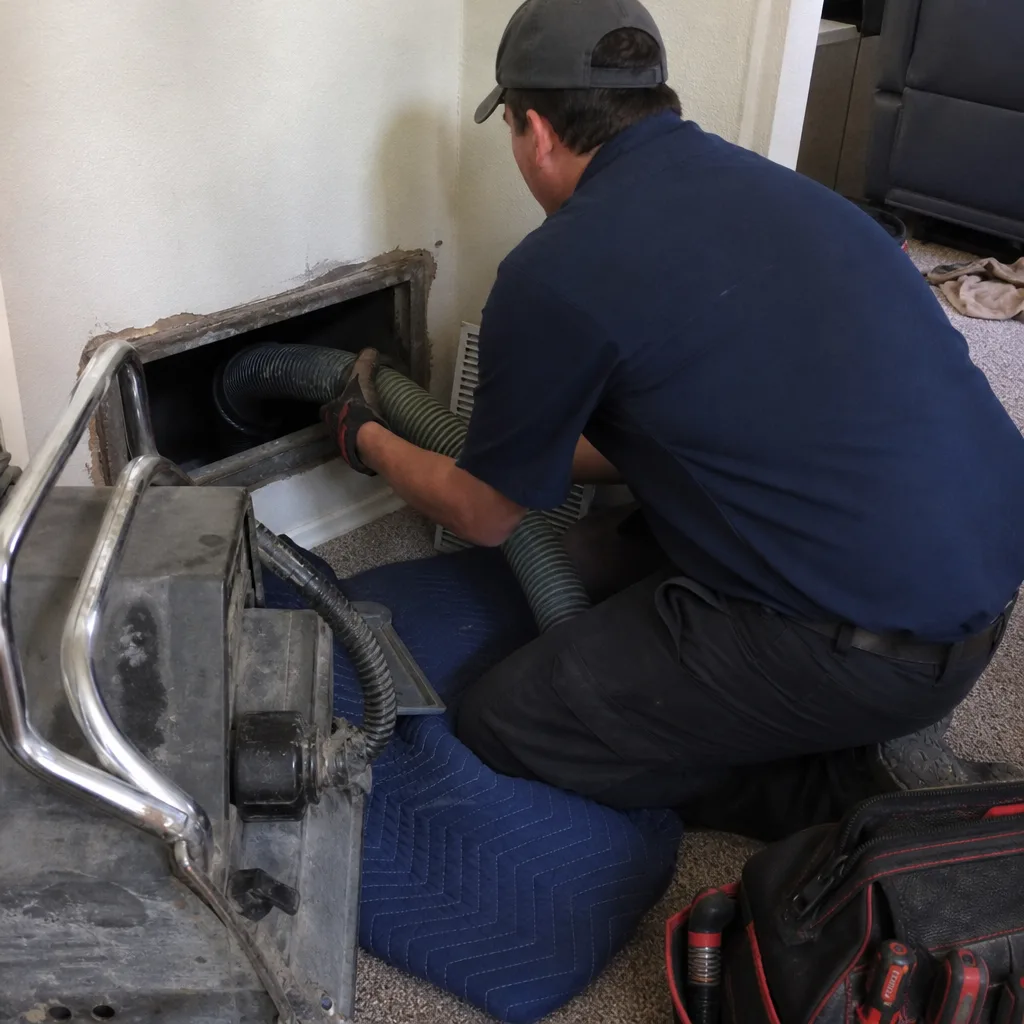 Before
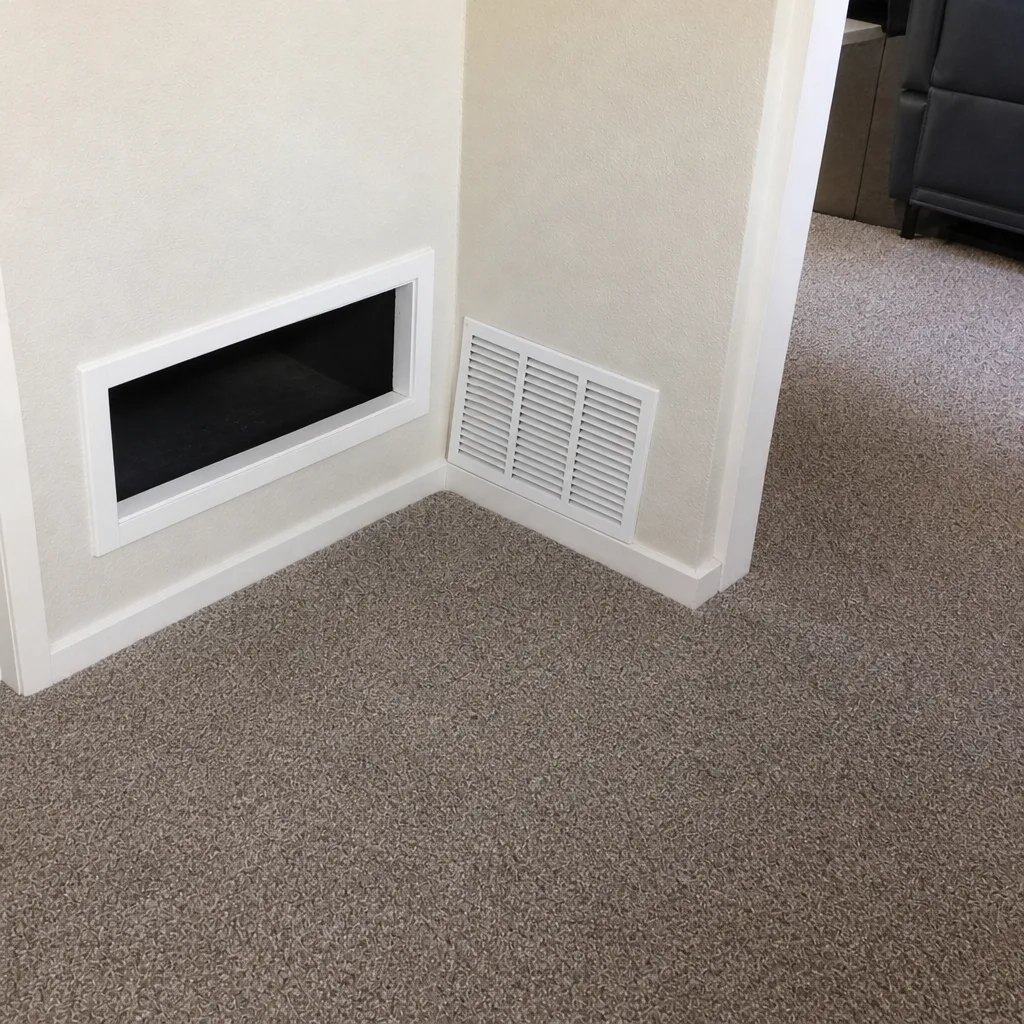 After
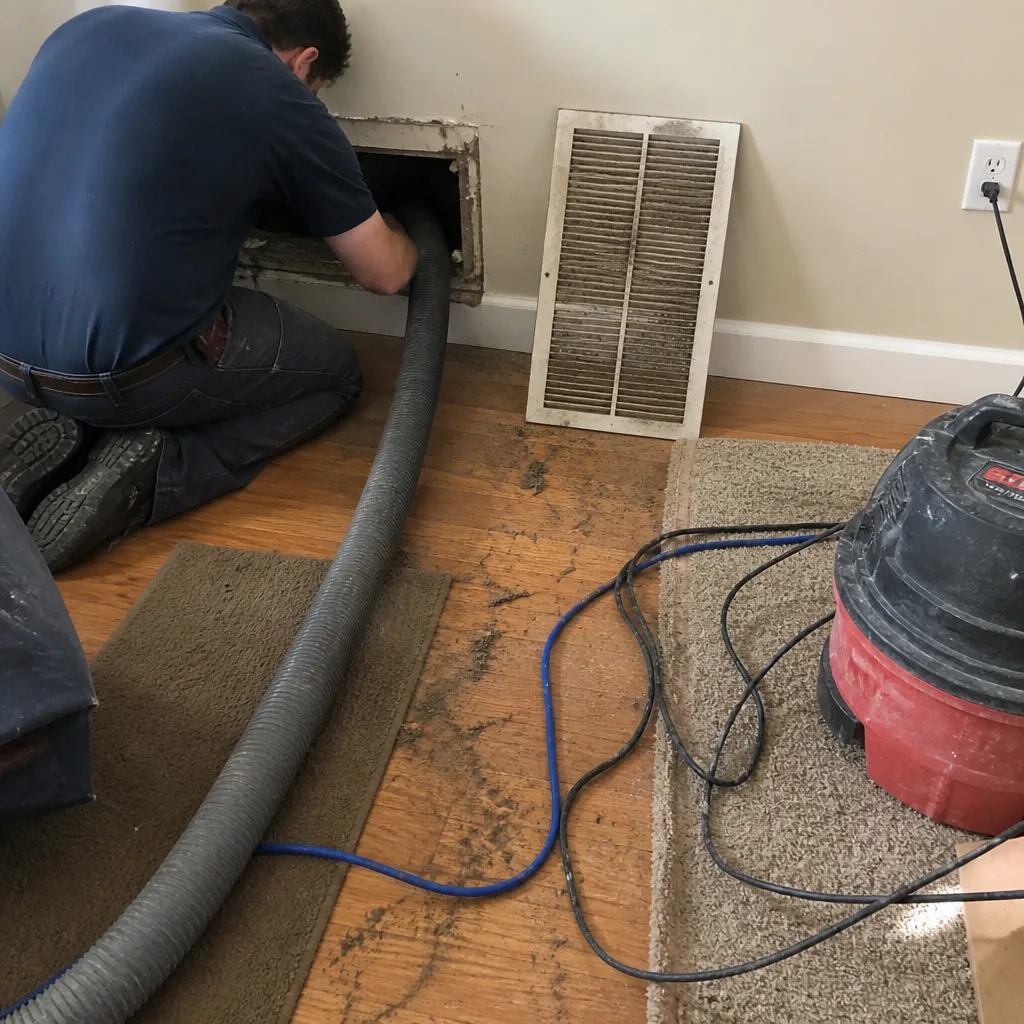 Before
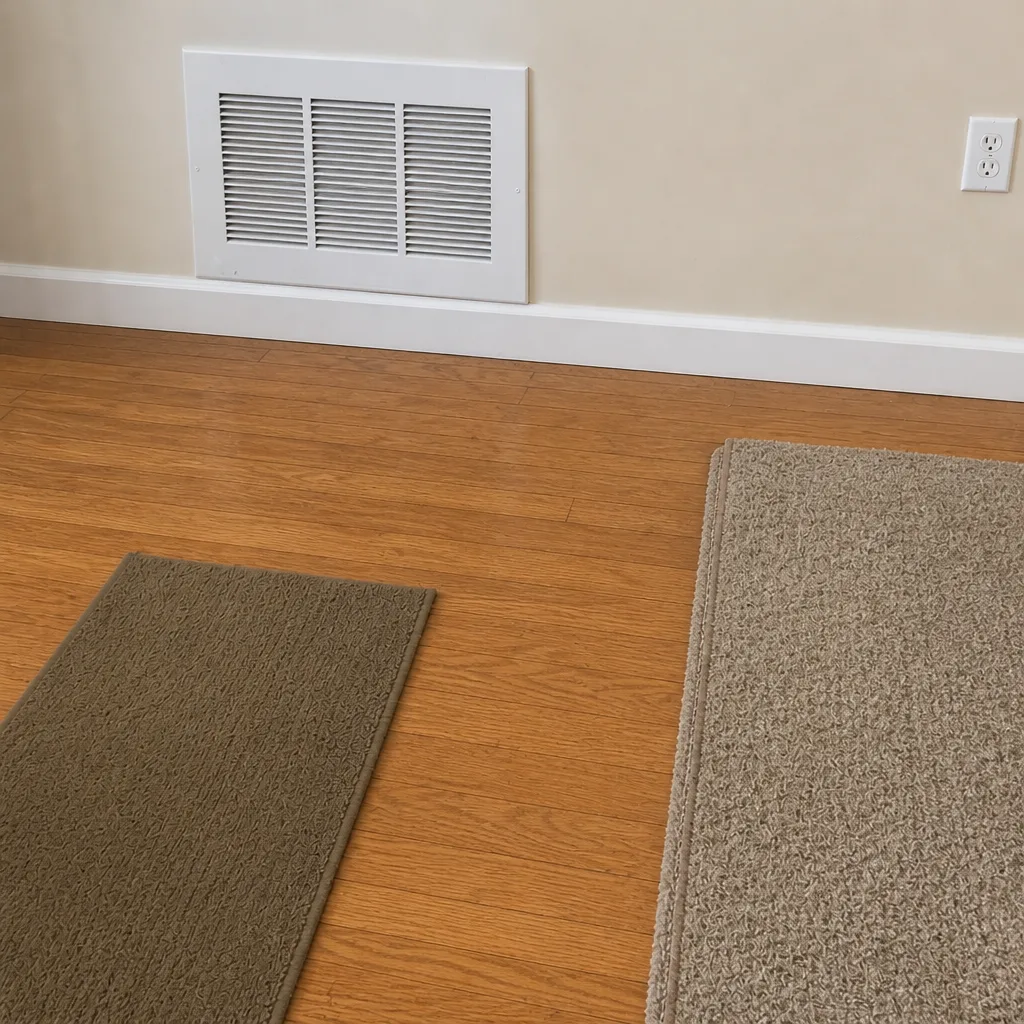 After
When to Call a Professional
Not every dusty register means the ducts need cleaning. But some situations do call for a professional look. If anyone in the house has asthma or seasonal allergies that seemed to get worse in the last couple of years, if rooms smell musty when the system kicks on, if heating or cooling is uneven room to room, or if the home hasn’t had a documented duct clean since you moved in, it’s time to schedule an inspection. Recent renovation work, a new pet, or a filter that keeps coming back dirty within a week also point in that direction. Duct Cleaning Longmont offers free estimates in Longmont. Call (866) 361-9658. We answer 24/7. Fast dispatch from 7am to 7pm, Sunday through Friday.
Frequently Asked Questions
Most full-system cleanings in the Longmont area land in the $350 to $700 range for a typical home, with larger or more complex systems costing more. Price depends on the number of trunk and branch runs, the condition of the system, and whether return plenums and the air handler are included in the scope. We give one flat price per system after the written estimate, so the number doesn’t move once work starts. Call (866) 361-9658 for an exact quote. Estimates are free.
Cheap quotes usually cover a smaller scope: supply registers only, no return side, no air handler, no trunk-line access. In some cases, the quote is a teaser price that gets adjusted on site once the technician sees the system. What looks like a $99 clean often ends up higher than a full scope quoted honestly up front. Ask for the component list before comparing prices. One flat price per system, agreed in writing, is the standard we work to.
Ask for before-and-after photos of the inside of the trunk and branch lines, airflow readings at representative registers, and confirmation that access panels were cut for the trunk clean and sealed afterward. Register photos alone don’t verify anything. Our Rotobrush and Nikro equipment produces the interior photos and readings on every job. If a technician can’t produce those three items, treat the job as unverified. Call (866) 361-9658 to schedule a photo-documented clean.
Most Longmont homes benefit from a documented duct cleaning every 3 to 5 years, and some need it more often because of the dry, dusty climate at this elevation. Homes near the foothills, homes with pets, and homes with recent renovation work tend to hit the interval sooner. Airflow readings and register dust patterns tell you more than a calendar. Call (866) 361-9658 for an inspection and a free estimate.
You need the return side and air handler cleaned. The return plenum and air handler compartment carry the heaviest dust load in most systems, and skipping them means the system isn’t clean even if the supply registers look spotless. Any scope that lists only supply vents is a surface clean. Ask specifically whether returns and the blower compartment are included before you book.
A professional clean requires contractor-grade contact-and-capture equipment: a rotating brush system like Rotobrush to agitate debris, paired with a HEPA vacuum like Nikro to extract it under negative pressure. For heavier contamination from renovation or mold scenarios, Abatement Technologies air-filtration equipment is the right tool. A shop-vac and a hand brush don’t create enough negative pressure to trap what they loosen. If you want a clean run with professional-grade equipment, call (866) 361-9658.
The Bottom Line
A full duct cleaning is a mechanical, component-by-component job, not a register wipe. The scope must include supply branches, trunk lines, return plenums, and the air handler compartment. The method must be contact-and-capture: brush agitation plus HEPA extraction under negative pressure, not a vacuum pushed into a vent. Documentation must include interior before-and-after photos, airflow readings, and evidence that access panels were cut. In Longmont’s high-altitude, dry climate, ducts fill faster than national guidelines suggest, and homes near the foothills hit the interval sooner. One flat price per system, agreed before work begins, is the honest way to price it.
Schedule a Full-System Clean in Longmont
If you’ve had a “duct cleaning” before and aren’t sure what was actually done, or if you’re booking one for the first time and want the scope in writing, we can help. Duct Cleaning Longmont handles cleaning, repair, and dryer vent work with contractor-grade equipment, and we walk you through the component list before anything gets touched. Call (866) 361-9658 for a free estimate. We answer 24/7. Fast dispatch from 7am to 7pm, Sunday through Friday.
For more on the neighborhood-level service area, see Longmont.
Written by the team at Duct Cleaning Longmont.