
Last updated November 15, 2026
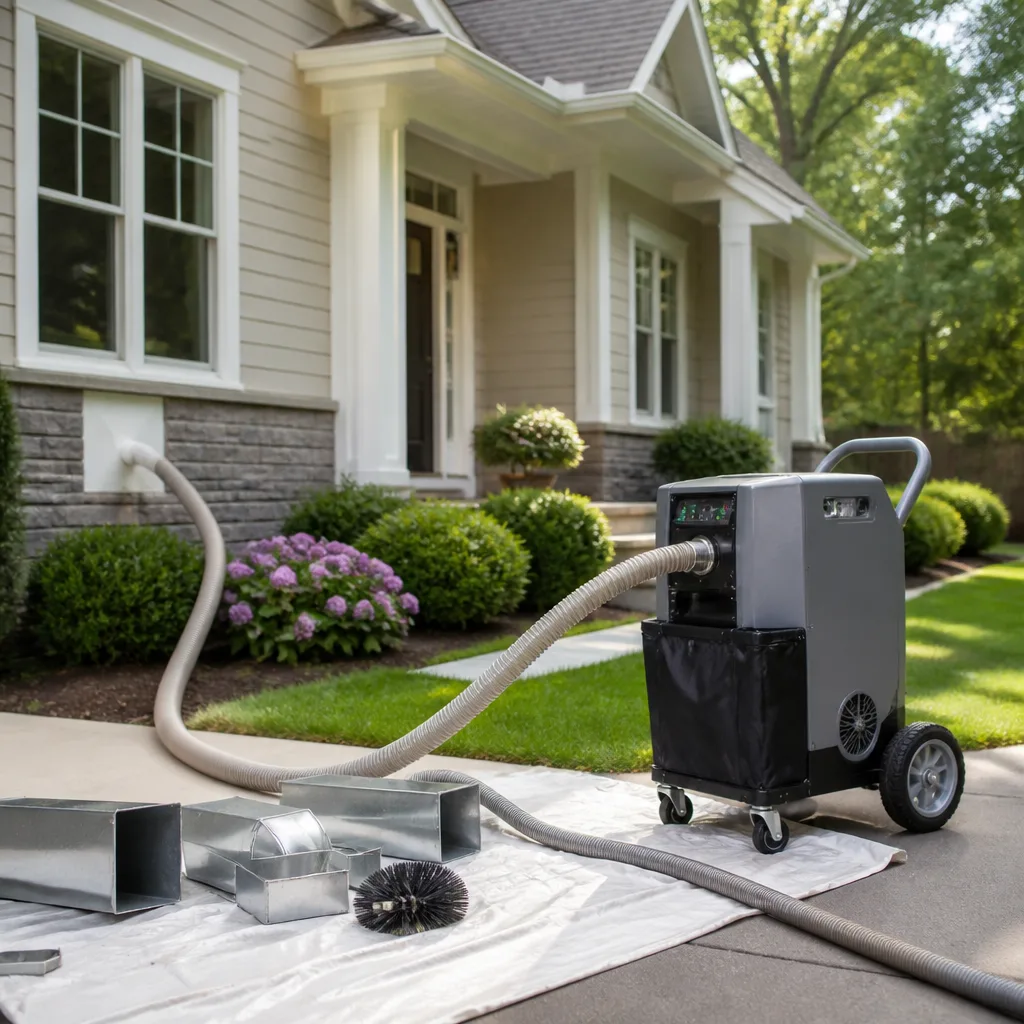 Whole-home duct cleaning
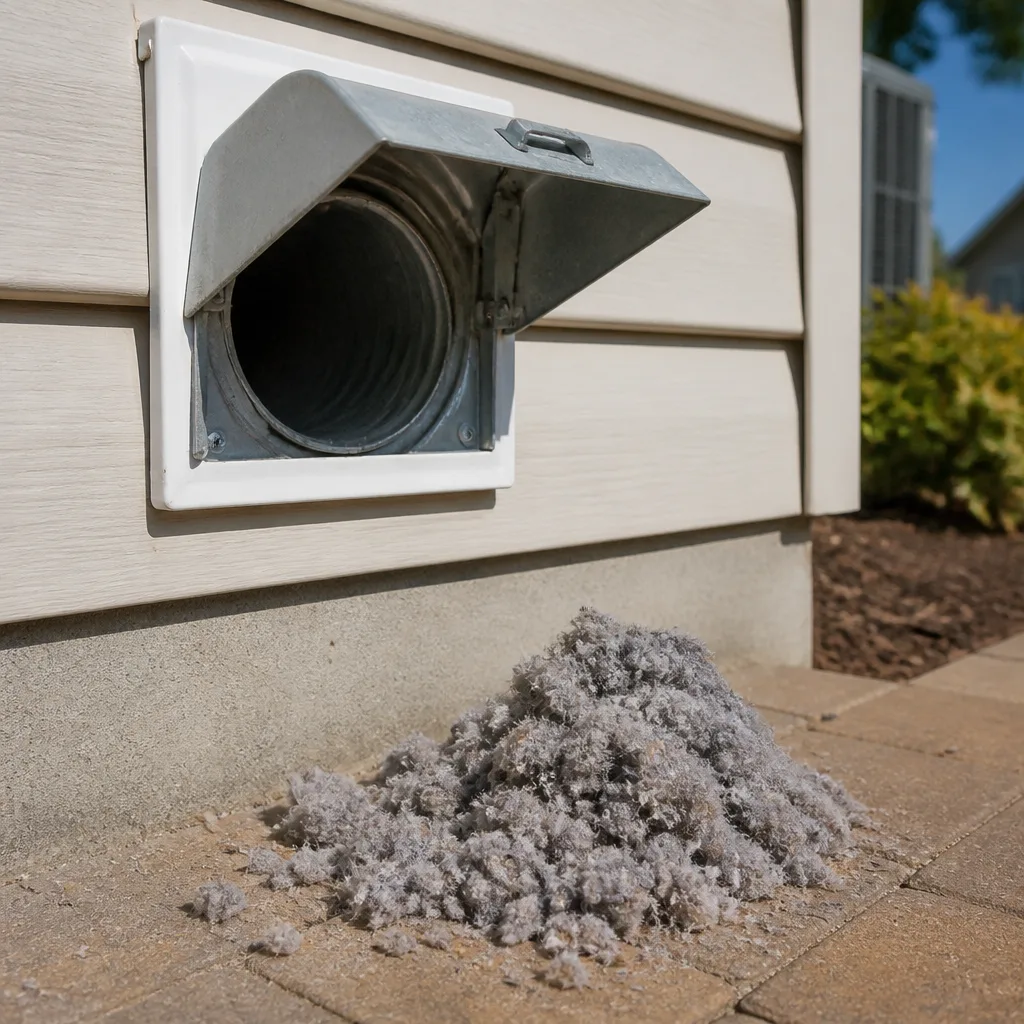 Dryer vent cleaning
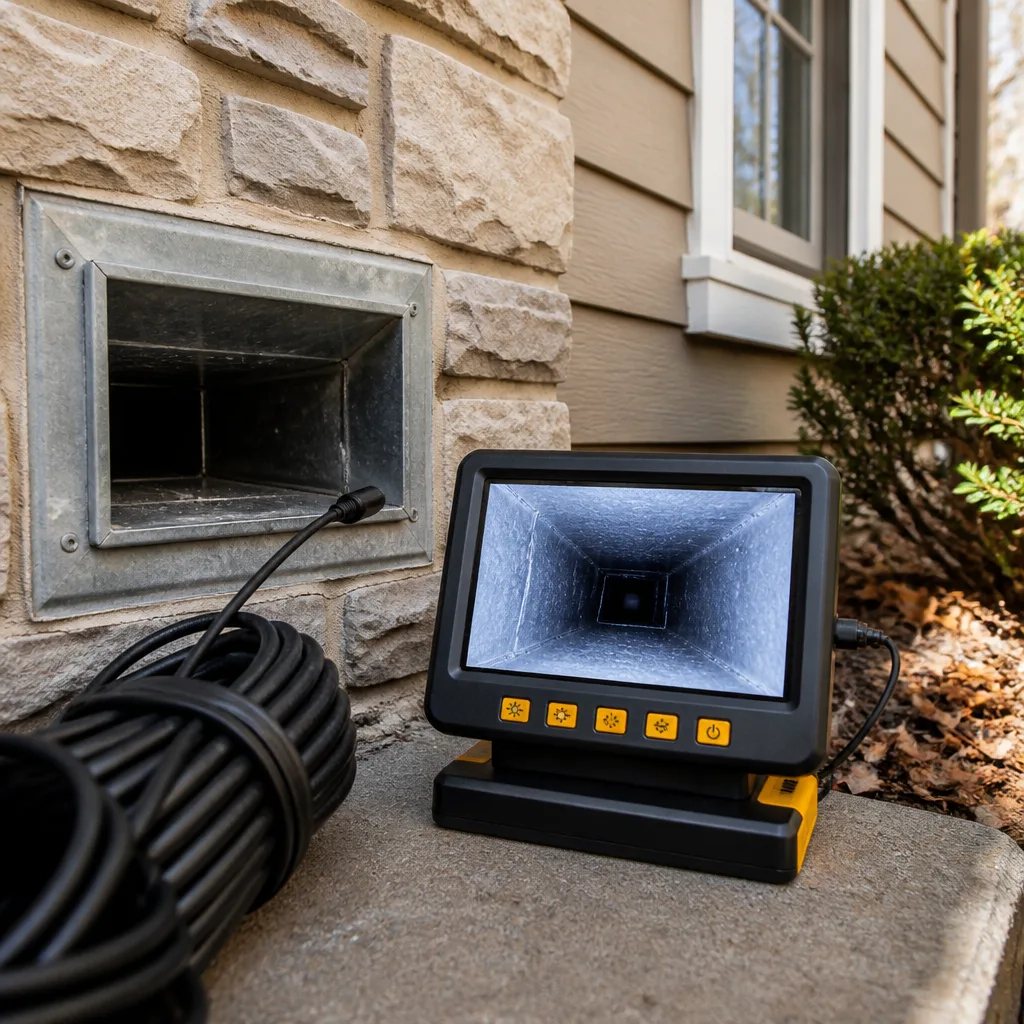 Camera inspection
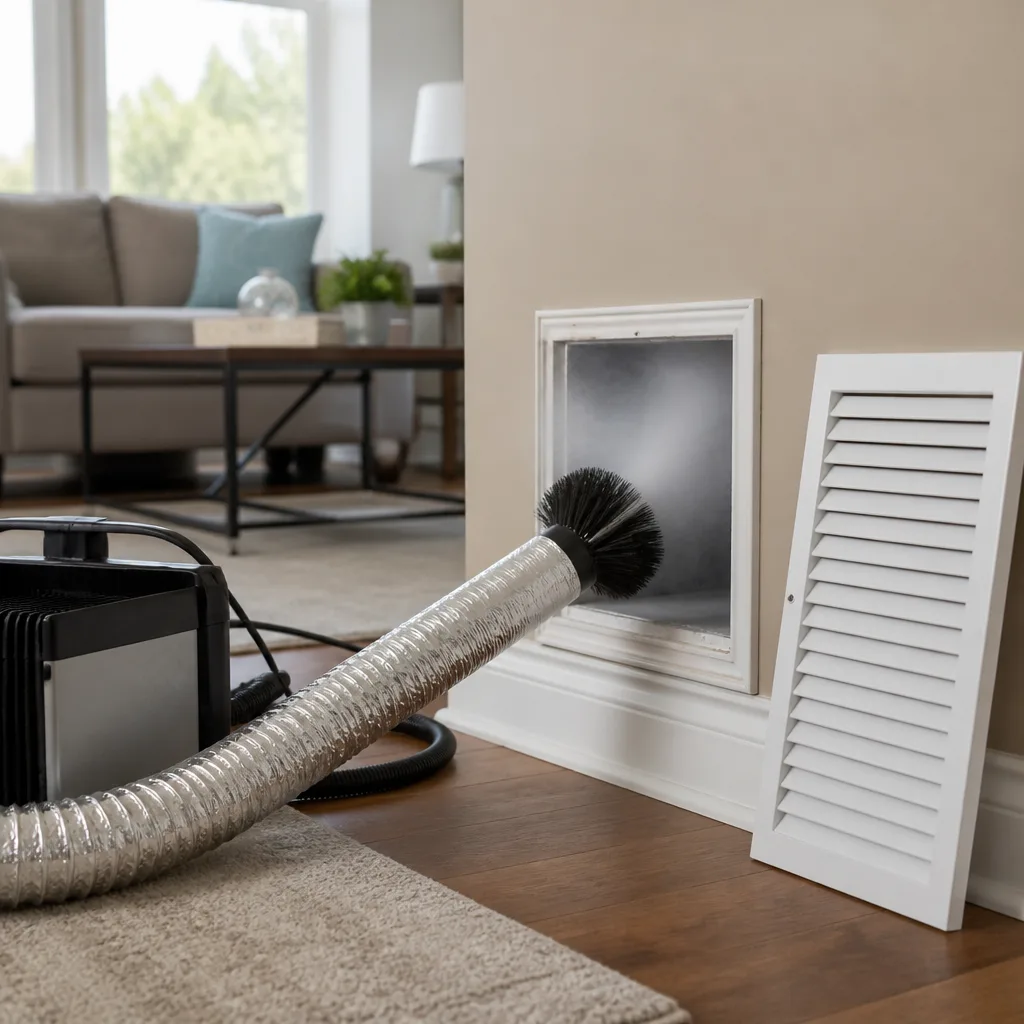 Sanitizing & deodorizing
Whole-system duct and dryer vent check with before-and-after photos - you see exactly what came out of your vents
That "$99 whole-house special" is a bait ad - the real number appears once they are in your hallway, or the "clean" is a shop-vac at the register. We photograph the inside of your ducts before and after instead.
Air Duct Cleaning Troubleshooting in Longmont: Common Problems and How to Fix Them
If one room in your house stays 8°F colder than the rest after a cleaning, the ducts weren’t your problem, and cleaning them again won’t fix it. That’s the thing most homeowners get wrong: they assume every airflow complaint traces back to dirt, so they book another cleaning and end up with the same cold bedroom and the same weak register. Dirt is only one of several failure modes, and it’s rarely the one that produces a sudden, dramatic symptom. In this guide we’ll walk through how to read your system’s symptoms before you call anyone, the three complaints we hear most after a Longmont cleaning, how to run a tissue-paper pressure test that finds a disconnected duct section, and why this city’s high-altitude, low-humidity air is hard on flex duct over time.
Quick Answer
Most air duct problems in Longmont aren’t caused by dirt at all, they’re caused by mechanical failures: a collapsed or disconnected flex duct, a clogged return, or a cracked inner lining that a surface-level cleaning never touches. Cleaning restores airflow only when the ductwork is intact. If one room is consistently cold, a register has gone weak, or a musty smell returns within weeks, the fix is diagnosis and repair, not another pass with a vacuum. A camera inspection is what separates the two.
Styles & brands we work with
- Whole-home duct cleaning
- Dryer vent cleaning
- Camera inspection
- Sanitizing & deodorizing
Table of Contents
- Dirty-Duct Symptoms vs. Mechanical Failure Symptoms
- The Three Most Common Post-Cleaning Complaints
- How to Run a Tissue-Paper Pressure Test
- Why Longmont’s Climate Is Hard on Flex Duct
- What a Rotobrush Camera Inspection Reveals
- Rattling, Whistling, and Banging: Reading the Noise
- Returns, Filters, and the Airflow Chain
- What You Can Check Yourself vs. What Needs a Technician
Dirty-Duct Symptoms vs. Mechanical Failure Symptoms
The single most useful skill in duct troubleshooting is telling a gradual problem from a sudden one. Dirt accumulates slowly, so a dirty system gives you slow symptoms. Mechanical failures happen fast, so they give you a step change. If you can put your finger on the moment something got worse, you’re probably looking at hardware, not dust.
Dirty-duct symptoms tend to look like this:
- Airflow that fades over months, not days
- Dust settling on surfaces faster than it used to, especially near supply registers
- A faint musty or dusty smell that builds gradually
- Allergy-type irritation that tracks with time spent at home but not with any single event
- Visible dark staining on the register grille or the ceiling around it
Mechanical failure symptoms are sharper:
- A sudden pressure drop from one or more registers, where the airflow was fine last week
- A dead zone in one room while the rest of the house works normally
- Whistling, banging, or a rattle that started on a specific day
- Air blowing from a register with almost no force, even when the blower is running hard
- A room that won’t heat or cool no matter what you set the thermostat to
That last point matters in Longmont, where a lot of housing stock has flex duct runs in unconditioned attic space. A run that comes loose at a collar doesn’t just stop delivering air to its room, it dumps conditioned air into the attic and pulls the whole system’s static pressure out of balance. The room gets cold and the rest of the house gets slightly worse too. If you notice that pattern, the problem is physical, and our air duct cleaning work starts with a camera pass precisely so we don’t clean around a break we haven’t found.
The Three Most Common Post-Cleaning Complaints (and Their Real Causes)
When someone books a cleaning and the problem doesn’t go away, it’s almost always one of three things. Each has a root cause that has nothing to do with how well the cleaning was done, which is why repeating the cleaning doesn’t help.
1. The musty smell comes back within a few weeks
A musty smell that returns is nearly always moisture, and moisture comes from somewhere. In Longmont the usual suspects are a wet evaporator coil, a condensate line that’s draining into the wrong place, or a section of duct that’s pulling humid air from a crawlspace or a leaky attic connection. Cleaning removes the smell source that’s already there, but if the moisture keeps feeding a new one, the smell returns. The fix is to find the water, not to clean harder. A camera pass and a look at the coil and drain pan is how you separate a real moisture problem from a duct that just needed cleaning.
2. Heating stays uneven after the ducts are clean
Uneven heating after a cleaning is a balance problem. Either a run is disconnected or crushed, a damper is closed or stuck, or the system was never balanced for the room in the first place. Cleaning can’t fix any of those. This is the complaint that most often sends homeowners back to the phone, and it’s the one where a shop-vac-level crew will genuinely have nothing to offer, because they never looked past the register.
3. A new rattle or whistle starts after the visit
New noise after a cleaning usually means something got disturbed: a register grille not seated back on its frame, a flex duct pulled slightly off a collar, or a piece of debris that got pushed into a run and is now vibrating against the duct wall. It’s usually quick to fix once you know where it is, and it’s the reason a proper cleaning ends with a camera or airflow check on the runs that were touched, not just a wave at the register on the way out.
How to Run a Tissue-Paper Pressure Test
You can locate a disconnected or badly restricted duct section with nothing but a strip of tissue paper, and it takes about fifteen minutes. The test works because a supply register that’s connected to a live duct will hold tissue against the grille with steady force. One that isn’t will let it flutter or fall away. This is a diagnostic, not a repair, and it’s safe to do while the system runs.
- Turn the system on in fan-only mode if your thermostat has it, or in heat or cool. Give it a couple of minutes to reach steady airflow.
- Cut a strip of tissue about an inch wide and six inches long. A single sheet works fine.
- Hold the tissue lightly against each supply register, one at a time, near the center of the grille. Don’t press it flat, let the air grab it.
- Note how each register behaves. Strong steady pull or push is normal. Fluttering with weak force is a warning. No movement at all is a dead run.
- Compare rooms. If nine registers hold the tissue and one lets it droop, that one run is your suspect.
- Do the same on the returns. A return that won’t hold tissue is clogged or blocked, and a blocked return starves the whole system.
What you’re looking for is a single outlier. Uniformly weak airflow across every register points to a blower, filter, or main trunk problem, not a single disconnected run. A single dead register points straight at the duct serving that room, and that’s a repair question, not a cleaning question. If the tissue test flags a run, the next move is a camera inspection to see what’s happening inside it.
Why Longmont’s Climate Is Hard on Flex Duct
Longmont sits at high altitude with low average humidity, and that combination is quietly brutal on the flexible ductwork used in most of the homes here. Flex duct has a plastic inner liner, a wire helix, and an outer jacket. It stays supple when the air around it carries some moisture. In dry, high-altitude air the liner loses flexibility over the years, goes brittle, and starts to crack along the helix. Ultraviolet light from a sunny attic makes it worse, and Longmont gets plenty of sun.
What cracked inner lining actually looks like on inspection is not a dramatic tear. It’s usually a fine web of cracks near a bend or where the duct drapes over a hanger, plus a chalky, stiffened feel to the liner where it’s failed. You often can’t see it from the register at all. You find it because the run is losing air quietly through the cracks and delivering less than it should. Sometimes the liner delaminates and peels inward, which is worse, because it partially blocks the run and catches dust that then can’t be cleaned out.
This is the local reason a cleaning alone often falls short. A technician running contractor-grade equipment will check the flex runs for stiffness and cracking as part of the job, not just measure airflow. If the liner has failed, no amount of cleaning restores the run, it needs to be replaced. For a full walkthrough of what a proper cleaning covers, our Duct Cleaning Longmont page lays out the process. And in our experience, homes here benefit from having the flex checked on a schedule rather than waiting for a room to go cold.
What a Rotobrush Camera Inspection Reveals
A visual check at the register tells you nothing about the inside of the run. That’s the honest truth. You can stand at a supply grille with a flashlight and see a few inches of duct wall, and everything beyond that is guesswork. A camera inspection is what turns guesswork into a diagnosis, and it’s the tool that separates a real duct assessment from a wave at the vent.
When we run a Rotobrush brush-agitation system paired with Nikro HEPA extraction, the camera is what tells us where to send the brush and what we should expect to find. Here’s what a camera pass typically surfaces that a register-level check never will:
- Disconnected joints at collars and takeoffs, where a run has pulled away and is dumping air into the attic or wall cavity
- Collapsed or crushed sections, often where flex duct has been stepped on or pinched during a previous HVAC visit
- Cracked inner liner running along the helix, the altitude-and-UV failure we described above
- Debris that isn’t dust: construction fallout, drywall dust from a renovation, or pest material that a normal cleaning pass won’t lift
- Moisture and biofilm on the duct wall, which points to a source problem upstream
- Buildup on the return side that’s choking airflow before it ever reaches the supply runs
When should you ask for a camera inspection before accepting a “clean bill of health”? Whenever the symptoms don’t match a dirty system, whenever a single room has gone cold, whenever the smell keeps coming back, or whenever a cleaning was sold without anyone looking inside a run. A crew that only cleans and never diagnoses has no way to find the problems this guide is about. We’d rather show you the inside of your ducts on a screen than ask you to take our word for it.
For contamination beyond routine dust, the right equipment matters as much as the camera. That’s where Abatement Technologies air-filtration equipment comes in, the same category of gear used in professional remediation work, and it’s what we bring to jobs involving renovation fallout or contamination that a standard cleaning shouldn’t spread around the house.
Rattling, Whistling, and Banging: Reading the Noise
Noise is the most underrated diagnostic signal in a duct system. A duct that was quiet and is now loud is telling you something changed, and the type of noise narrows down what.
- Rattling is usually a loose component, either a grille that’s not seated, a damper blade that’s come loose in its track, or a section of flex that’s vibrating against a joist. It’s often the easiest fix on this list.
- Whistling means restricted flow. Air forced through a narrow gap makes that sound, and the gap is usually a crushed flex run, a nearly closed damper, or a filter that’s loaded enough to choke the return.
- Banging on startup and shutdown is duct expansion and contraction, and it’s often normal in older metal ductwork. If it started suddenly, look for a run that’s come loose and is flexing as pressure changes.
- A steady hiss at one register points at a leak in that run, often where a takeoff has pulled loose.
In Longmont, the metal trunk lines in older homes can get noisy at temperature swings because the ductwork expands and contracts against tight framing. That’s not a failure in itself, but a new banging sound that wasn’t there last season is worth having looked at. The noise tells you where to look, the camera tells you what’s actually wrong.
Returns, Filters, and the Airflow Chain
A duct system is a chain, and it only works as well as its weakest link. Most homeowners focus on the supply side, the registers that blow air into rooms, and ignore the return side, the grilles that pull air back to the blower. A clogged return will starve the entire system, and it’ll produce the exact same weak-airflow symptom a dirty supply run does. Diagnosing one without checking the other is guesswork.
A few things to check on the return side yourself:
- Replace the filter on the schedule your filter’s label recommends, and check it more often during heavy-use seasons. A loaded filter is the most common cause of weak airflow across the whole house.
- Make sure furniture, rugs, or boxes aren’t blocking return grilles. A covered return is a starving system.
- Run the tissue test on every return, not just the supplies. A return that won’t grab tissue is restricted somewhere upstream.
- Look for a filter grille that’s been painted shut or has a filter that’s never been changed because it’s hidden behind a piece of furniture.
- Note whether the weak airflow is house-wide or room-specific. House-wide points upstream at the filter, blower, or main return trunk.
There’s also an upgrade path here. If your system is clean and tuned but the air quality still isn’t where you want it, the next step is filtration. We supply and install Honeywell and Aprilaire filtration and indoor air quality products, so a customer can move from clean ducts to better air in a single service call rather than hiring a second contractor for the filtration piece. That’s the “from cleaning to filtration” path, and it’s a natural next question once the ducts are sorted.
What You Can Check Yourself vs. What Needs a Technician
There’s a lot you can check on your own, and knowing where that line sits saves you both money and risk. The rule is simple: check symptoms, don’t open the system. Anything that puts you near the blower compartment, the electrical side of the air handler, or a flex duct connection you’d have to cut open is a technician’s job.
Safe for you to check:
- Run the tissue-paper test on supplies and returns
- Note which rooms are cold and when the problem started
- Check and replace the filter
- Look for blocked or covered return grilles
- Listen for new noises and note where they come from
- Look for visible staining or dust at the register grilles
Leave to a trained professional:
- Opening the air handler or blower compartment
- Any work near the electrical panel or wiring serving the system
- Cutting into flex duct to inspect or repair a run
- Diagnosing a moisture or contamination problem that could spread
- Cleaning the duct system itself
The electrical side deserves a specific warning. The blower compartment and the panel feeding it carry line voltage, and a mistake there can cause serious injury. Don’t open either one. The same goes for any ductwork that runs near the furnace flue or gas lines. Check the symptoms from the room side, then hand the diagnosis to someone who knows the equipment.
For the connected problems, dryer vents often get neglected while homeowners focus on the supply ducts. Our dryer vent cleaning service covers that side of the system on the same visit, so you’re not chasing three contractors for one ventilation system.
Common Mistakes to Avoid
- Assuming every airflow problem is dirt. A sudden pressure drop or a single dead register is a mechanical symptom, and cleaning won’t touch it. Read the symptoms before you book.
- Booking a cleaning without a camera inspection. A crew that never looks inside a run can’t find a disconnected duct or a cracked liner. Ask what the inspection covers before you agree to the job.
- Ignoring the return side. Weak airflow house-wide is usually a filter or return problem, not a supply problem. Check both sides of the system.
- Repeating the cleaning when the smell returns. A musty smell that comes back is moisture, and the moisture comes from somewhere. Find the source, don’t clean harder.
- Assuming Longmont’s dry air keeps ductwork healthy. The high-altitude, low-humidity climate is actually hard on flex duct; it goes brittle and cracks over the years, and that failure is invisible from the register.
- Opening the blower compartment yourself. The voltage there is dangerous and the work belongs to a trained technician. Stick to the room-side checks.
- Taking a “clean bill of health” at face value. If a cleaning was sold without anyone looking inside a run, the health check didn’t happen. Ask to see the inside of your ducts.
See the difference
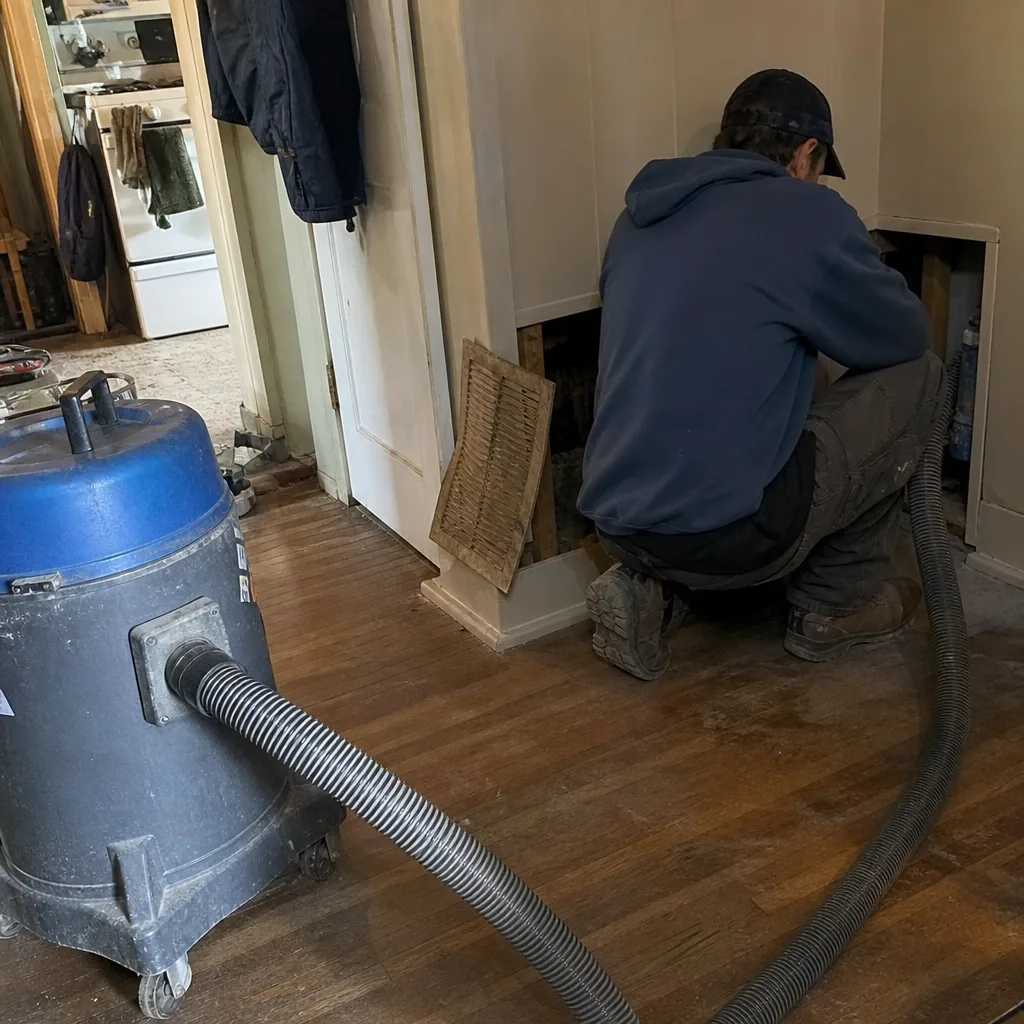 Before
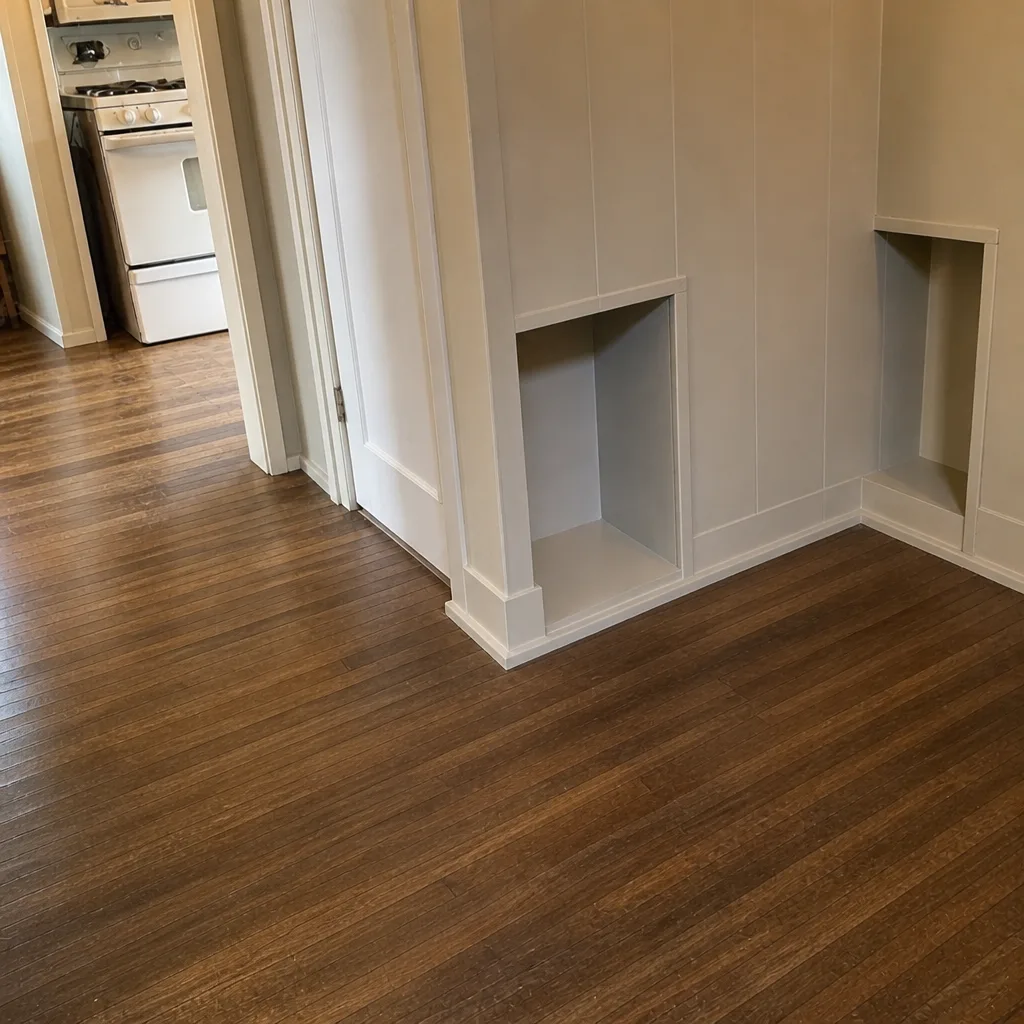 After
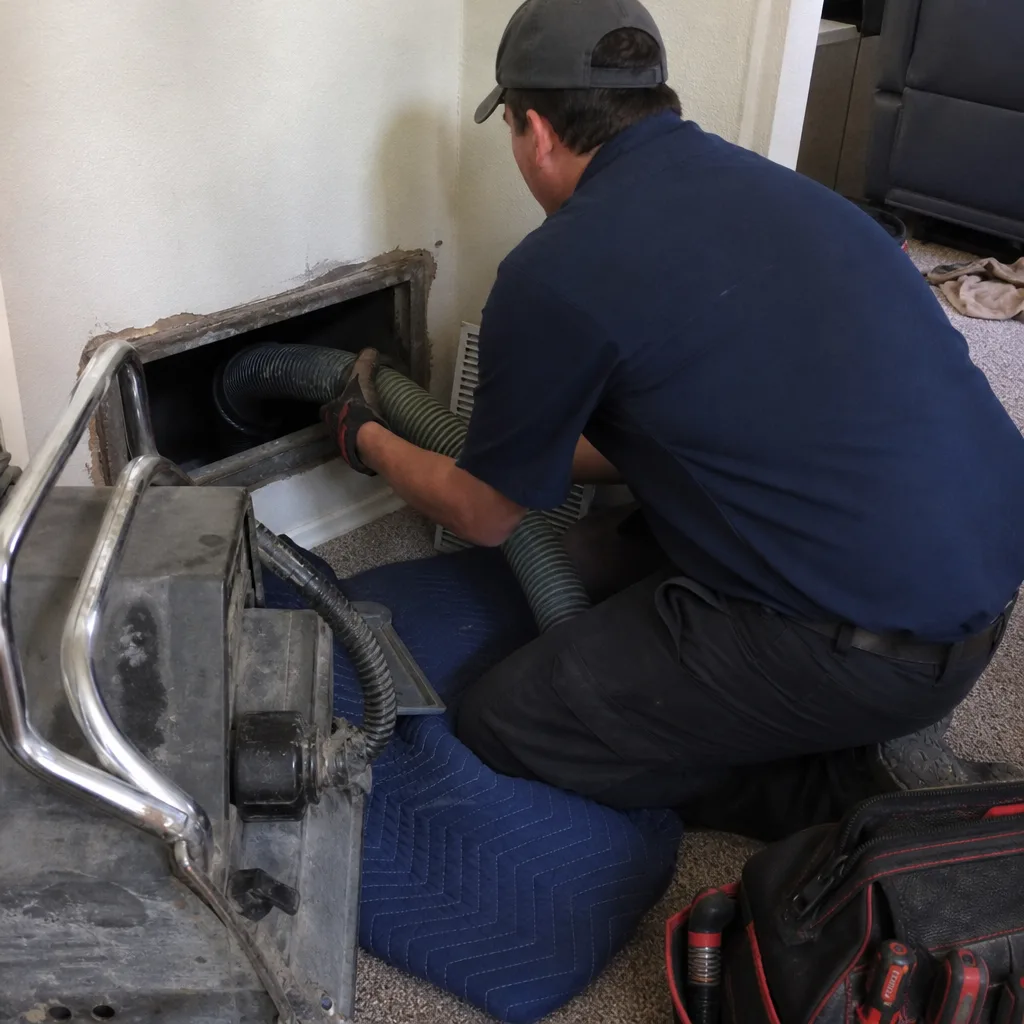 Before
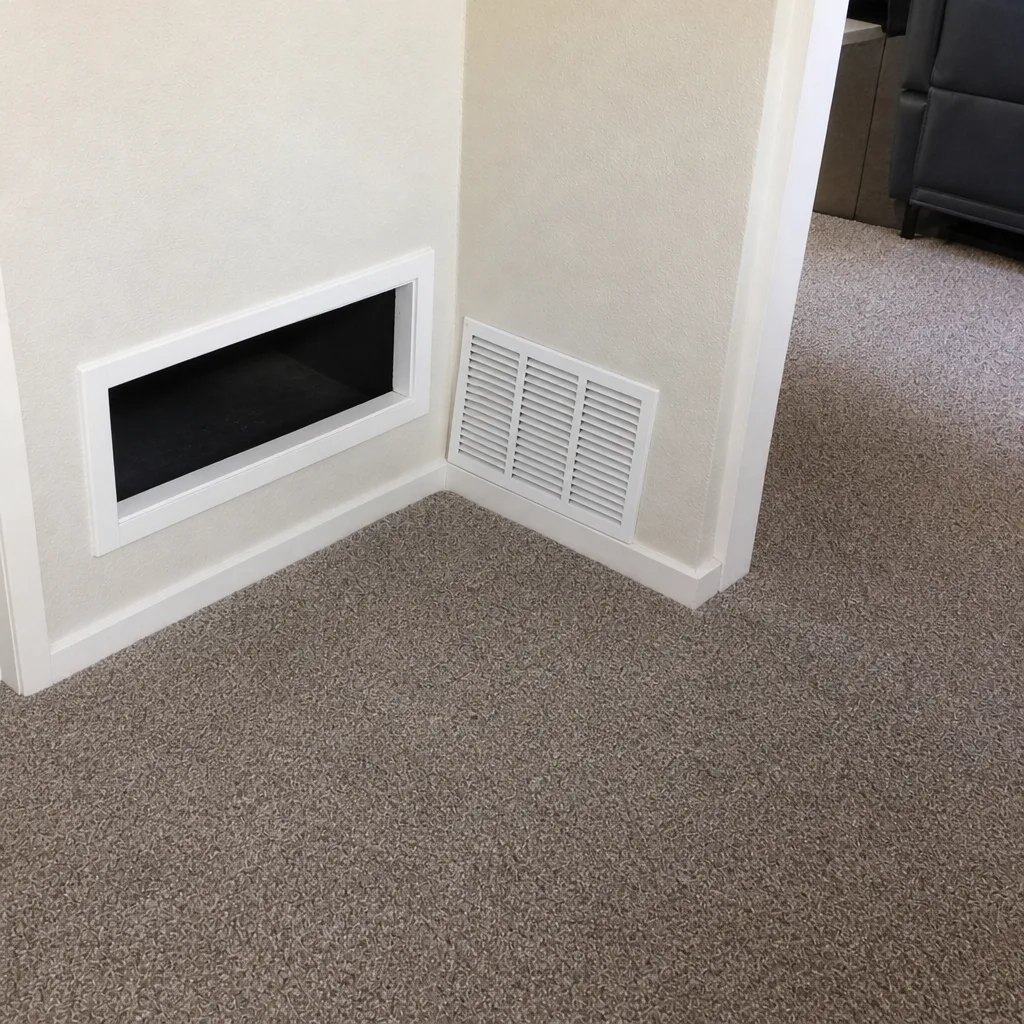 After
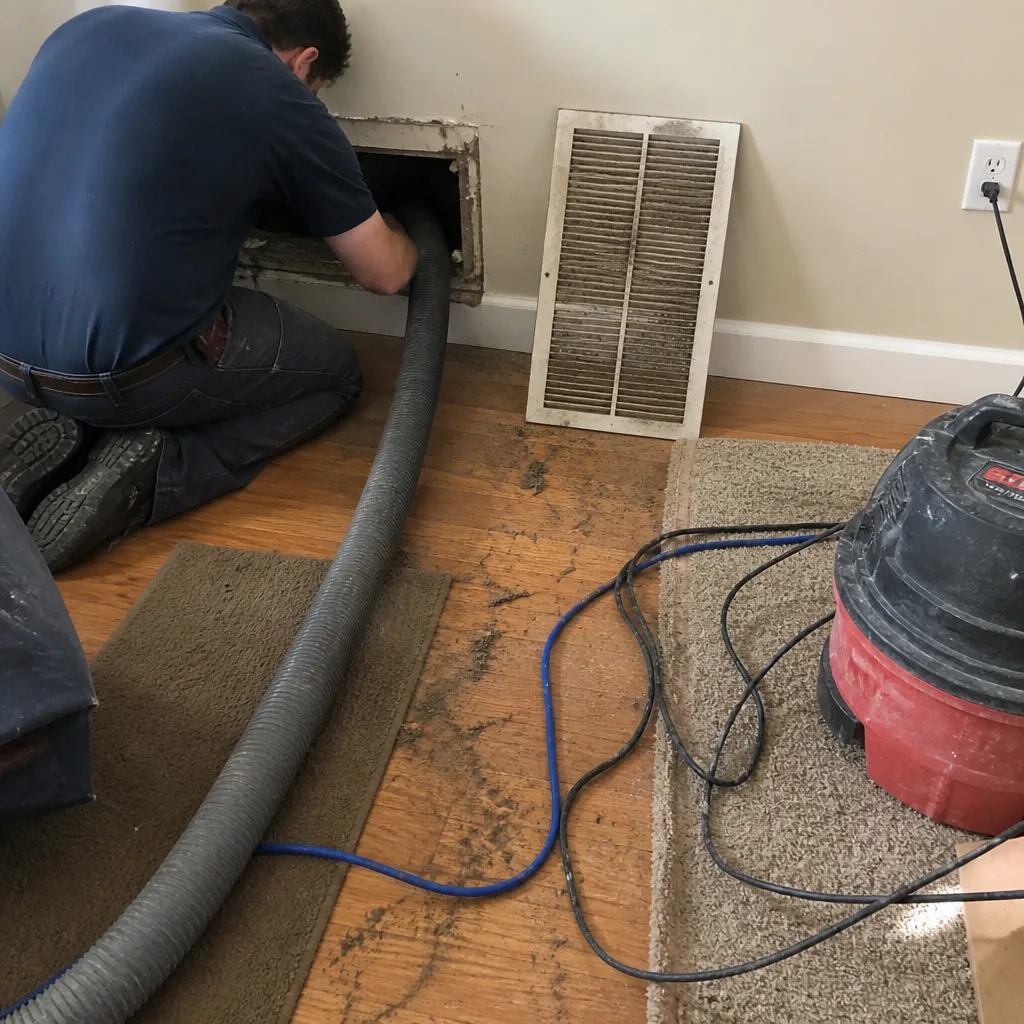 Before
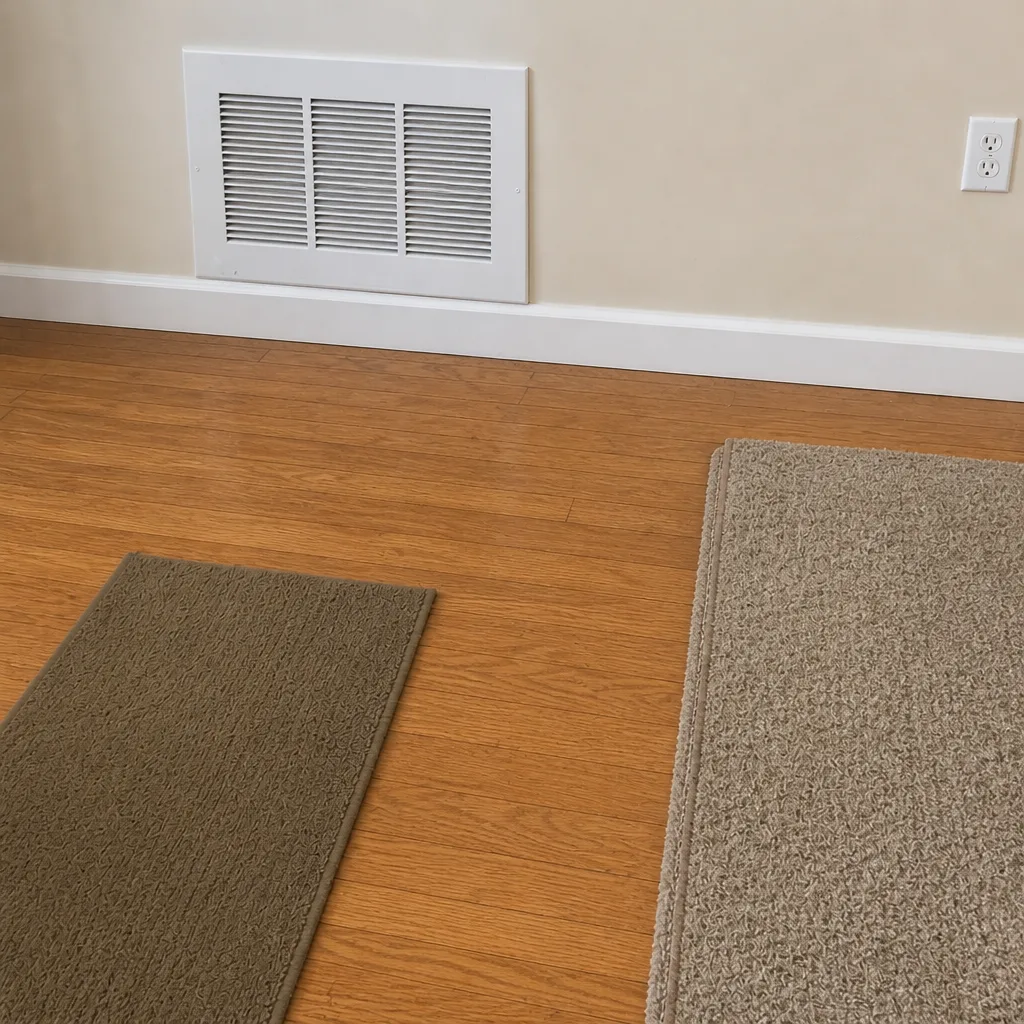 After
When to Call a Professional
Some duct problems are worth calling about the moment you notice them, and some can wait. Call when a single room stays cold or hot no matter what the thermostat says, when a register that used to blow hard has gone weak, when a musty smell keeps coming back after a cleaning, when a new rattle or whistle starts, or when you’re planning a cleaning and want a camera inspection first so the job addresses what’s actually wrong. Call before a renovation if you’re worried about dust, and call if you suspect a moisture or contamination problem. Those aren’t jobs for a shop-vac and a Saturday morning.
Duct Cleaning Longmont offers free estimates in Longmont. We run contractor-grade Rotobrush and Nikro equipment, bring Abatement Technologies filtration to jobs that need it, and repair what we find so you don’t need a second company for a connected problem. One flat price per system, agreed before work starts, with before-and-after photos of your own ducts. Call (866) 361-9658. We answer 24/7. Fast dispatch from 7am to 7pm, Sunday through Friday.
Frequently Asked Questions
Air duct cleaning in Longmont is priced per system rather than per vent, so the number depends on your home’s size, how many runs it has, and whether a repair is needed. You’ll get a flat price for the whole system in a written estimate before any work begins, and the estimate sets the final price. Call (866) 361-9658 for an exact quote, estimates are free.
Cheap quotes usually cover less work: no camera inspection, no brush agitation, no repair capability, and sometimes just a pass at the registers. The low number is real, but it often buys a cleaning that can’t find or fix the problem you actually have. Our Rotobrush and Nikro method costs more because it physically dislodges and extracts debris and includes a look inside the runs. Call (866) 361-9658 for a quote you can compare.
Ask for before-and-after photos of your own ducts, taken during the job. A camera inspection gives you a record of what was inside the run before the work and what it looks like after, and it’s the clearest proof you’ll get. We provide those photos as standard. Call (866) 361-9658 to book a job where you can see the difference.
Most homes don’t need it on a fixed calendar. The right interval depends on your filter habits, pets, renovations, and whether there’s been a moisture or contamination event. In Longmont’s dry climate, we’d also have the flex runs checked for brittleness periodically rather than waiting for a room to go cold. Call (866) 361-9658 and we’ll help you figure out what your home actually needs.
Only sometimes. A badly restricted supply run can starve one room, but a single cold room is more often a mechanical problem: a disconnected flex run, a closed damper, or a crushed section. That’s why we run a camera inspection before assuming a cleaning will fix it. If your cold room won’t respond to cleaning, it’s a repair question.
Often yes, but it depends on what’s in them. Older Longmont homes can carry decades of dust, and some have had renovations that left construction fallout in the system. If the ducts have never been inspected, a camera pass tells you whether cleaning is the answer or whether a repair comes first. Call (866) 361-9658 for a free estimate and we’ll tell you honestly which your home needs.
The Bottom Line
The biggest takeaway from this guide is that duct problems come in two flavors, and they need different fixes. Gradual airflow loss and rising dust are cleaning problems. Sudden pressure drops, dead zones, new noises, and a musty smell that keeps returning are mechanical or moisture problems, and cleaning them again won’t solve either. Read your symptoms first, run the tissue test to narrow down the room, and insist on a camera inspection before anyone gives your system a clean bill of health. In Longmont’s high-altitude, low-humidity climate, flex duct brittleness is worth checking on a schedule. Once the system is clean and sound, filtration from Honeywell or Aprilaire is the natural next step.
Written by the team at Duct Cleaning Longmont.